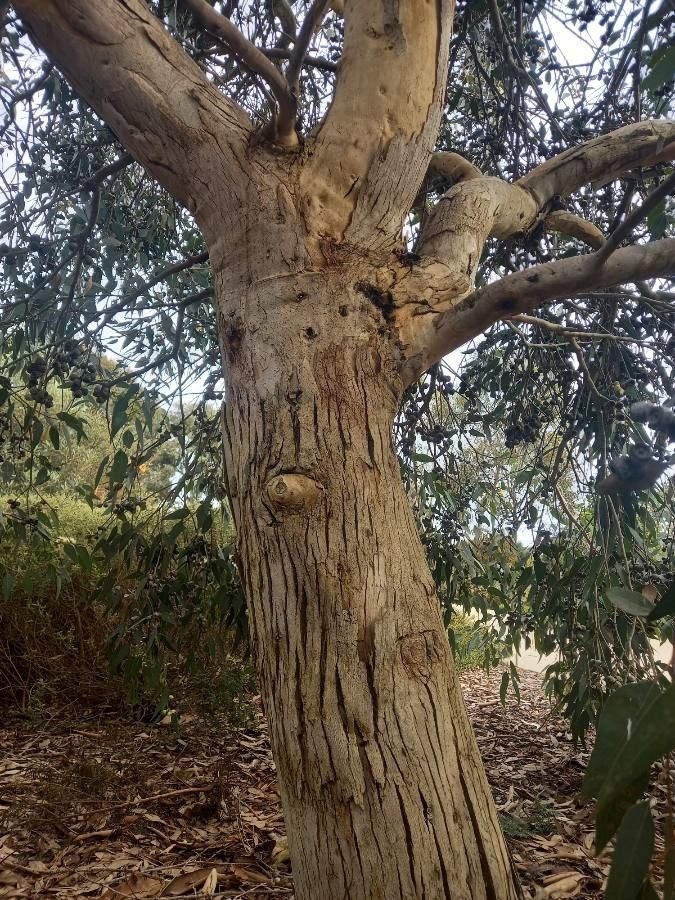
Hey there, fellow plant lovers! I’m so excited to chat with you today about a tree that truly captures my heart: Eucalyptus cosmophylla, or the Cup Gum. Its silvery, smooth leaves and stunning peeling bark make it a showstopper in any garden. Plus, propagating this beauty yourself? It’s incredibly satisfying. While it might seem a little daunting at first, with a little patience and the right approach, you’ll be well on your way to a whole grove of these amazing trees. It’s a rewarding project, even for those of you just dipping your toes into plant propagation.
The Best Time to Start
For Eucalyptus cosmophylla, the sweet spot for propagation is definitely late spring through summer. This is when the plant is in its most vigorous growth phase, meaning those cuttings have the best chance of rooting. You want to look for new, semi-hardwood growth – think of it as a branch that’s firm but still has a bit of flexibility to it. Avoid anything too soft and floppy or too woody and brittle.
Supplies You’ll Need
Gathering your supplies is half the battle! Here’s what I always have on hand:
- Clean, sharp pruning shears or a knife: For making those crucial cuts.
- Rooting hormone (powder or gel): This is a real game-changer, especially for woody plants.
- A well-draining potting mix: I like a blend of perlite, coco coir, and a good quality peat moss. Eucalyptus hate soggy feet!
- Small pots or propagation trays: With drainage holes, of course.
- A clear plastic bag or propagator: To create a humid environment.
- Optional: Bottom heat mat: This can significantly speed up rooting.
Propagation Methods
We’ll focus on the most reliable method for Eucalyptus cosmophylla: stem cuttings.
- Take Your Cuttings: On a bright, mild day, select healthy, semi-hardwood stems. Make your cuts just below a leaf node (where a leaf attaches to the stem). Aim for cuttings that are about 4-6 inches long.
- Prepare the Cuttings: Gently remove the lower leaves from the cutting, leaving just a few at the top. This prevents them from rotting in the soil.
- Dip in Rooting Hormone: Lightly dip the cut end of each stem into your rooting hormone. A little goes a long way!
- Plant Your Cuttings: Fill your pots or trays with your pre-moistened potting mix. Make a small hole with a pencil or your finger and insert the cutting, ensuring the base is nestled in the soil. Gently firm the soil around it.
- Create Humidity: Water the soil lightly. Then, cover the pots or tray with a clear plastic bag or propagator lid. This is essential to keep the humidity high, which is what encourages those cuttings to root. Pop the whole setup in a bright spot that gets indirect sunlight.
The “Secret Sauce” (Pro Tips)
Here are a couple of things I’ve learned over the years that really make a difference:
- Don’t let the leaves touch the water (or each other!): When you’re preparing your cuttings, make sure any leaves that are inside the humid enclosure are trimmed away. If they sit on the soil or press against other leaves, they’ll quickly succumb to rot, which can then travel down to your cutting.
- Give them a little warmth: If you have a bottom heat mat, use it! Placing your propagation setup on a gentle heat source can dramatically speed up root development. It mimics the warmth of spring soil.
Aftercare & Troubleshooting
Once your cuttings are planted, keep a close eye on them. The soil should remain consistently moist but not waterlogged. Check the humidity inside your propagator daily – you want to see condensation, but if it’s dripping heavily, give it a quick airing out.
You’ll know your cuttings are rooting when you gently tug on them and feel resistance, or if you see new leaf growth. This can take anywhere from a few weeks to a few months. Be patient!
The most common sign of failure you’ll see is wilting and browning, often followed by mushy stems. This is usually a sign of overwatering or a lack of humidity. If you see this, don’t despair – it’s part of the learning process! Just discard the failed cuttings and try again.
A Little Encouragement
Propagating plants can feel like a bit of gardening magic, and Eucalyptus cosmophylla is a truly rewarding tree to bring to life yourself. Don’t be discouraged if your first few attempts aren’t perfect. Every gardener has had their share of wilted hopes and brown stems! Just keep trying, keep learning, and most importantly, enjoy the wonderful process of nurturing new life. Happy propagating!
Resource:
https://identify.plantnet.org/k-world-flora/species/Eucalyptus%20cosmophylla%20F.Muell./data