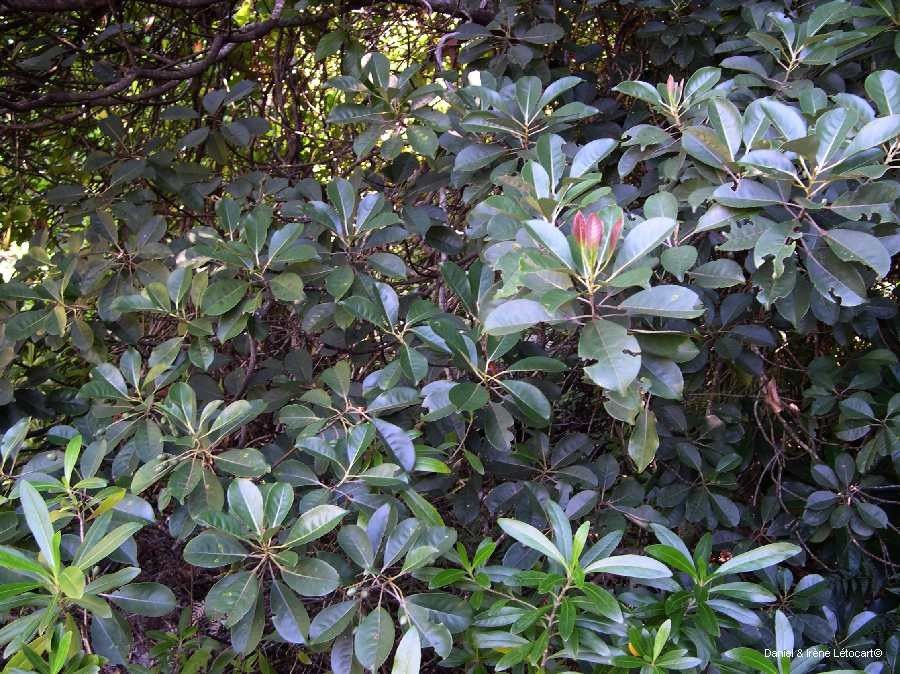
Oh, hello there! Come on in, let’s chat about Elaeocarpus baudouinii. You know, those gorgeous trees with their delicate, bell-shaped flowers and often stunning foliage. They really add a touch of magic to any garden, don’t they? If you’ve fallen in love with these beauties, then propagating them is an absolutely rewarding endeavor. It’s a bit like unlocking a special secret to having more of what you love. Now, for those of you just dipping your toes into the world of propagation, Elaeocarpus baudouinii can be a moderately challenging plant. It’s not impossible by any means, but it does appreciate a little extra care and understanding. Don’t let that discourage you though; with a few of my seasoned tips, you’ll be well on your way!
The Best Time to Start
When it comes to giving your Elaeocarpus baudouinii cuttings the best chance, late spring to early summer is your golden window. After the plant has finished its main flush of growth and is actively producing new shoots, that’s when you want to strike. You’re looking for semi-hardwood cuttings – pieces that are firm but still have a bit of flexibility. Think of it as the sweet spot between brand-new, floppy growth and old, woody stems.
Supplies You’ll Need
Here’s what you should gather before you get started. Having everything ready makes the process much smoother:
- Sharp, sterile pruning shears or a clean knife: We want to make clean cuts to avoid damaging the plant or introducing disease. A quick wipe with rubbing alcohol is a must.
- Rooting hormone: This is a lifesaver! It really encourages robust root development. Look for one with a good concentration of auxins.
- A light, well-draining potting mix: I like a blend of equal parts perlite and peat moss, or a good quality seedling starting mix. You can also add a bit of horticultural charcoal.
- Small pots or trays: Clean ones, of course! Drainage holes are non-negotiable.
- A clear plastic bag or propagator: This helps maintain humidity around your cuttings.
- Labels and a marker: Trust me, you’ll thank yourself later for labeling your cuttings!
- Optional: A heat mat: Bottom heat can work wonders for encouraging root growth.
Propagation Methods
We’ll focus on the method that usually yields the best results for Elaeocarpus baudouinii: stem cuttings.
- Select Your Cuttings: Head out to your healthy Elaeocarpus baudouinii. Look for those semi-hardwood stems I mentioned. You want pieces that are about 4-6 inches long. Make your cut just below a leaf node (where a leaf joins the stem) – this is where the magic of root formation often happens. Remove any flowers or developing buds so the plant directs its energy into rooting.
- Prepare the Cuttings: Gently remove the lower leaves from your cutting. You want to keep about 2-3 sets of leaves at the top. If the remaining leaves are very large, you can even snip them in half to reduce water loss through transpiration.
- Dip in Rooting Hormone: Lightly moisten the cut end of your cutting with a little water. Then, dip it into your rooting hormone powder or gel. Tap off any excess; you just need a light coating.
- Plant Your Cuttings: Fill your clean pots with your prepared potting mix. Make a small hole in the center with your finger or a pencil. Gently insert the prepared cutting into the hole, making sure it’s firm. Firm the soil around the base of the cutting.
- Create a Humid Environment: Water the soil gently until it’s moist but not waterlogged. Then, cover the pot loosely with a clear plastic bag, or place it inside a propagator. Ensure the leaves aren’t touching the sides of the bag if possible. This humidity is crucial for preventing the cuttings from drying out while they work on developing roots.
- Placement: Find a bright spot with indirect light. Avoid direct sunlight, which can scorch your tender cuttings. If you’re using a heat mat, place the pots on it now.
The “Secret Sauce” (Pro Tips)
Here are a couple of things I’ve learned over the years that make a real difference:
- The “Air Layering” Technique (for larger plants): If you have a mature plant and want to try something a little different, consider air layering. This is where you create a wound on a branch (without removing it from the parent plant), dust it with rooting hormone, wrap it in damp sphagnum moss, and then cover it all with plastic wrap. Roots will form on the branch, and once they’re well-developed, you can cut the branch below the new roots and pot it up. It’s a slower method but often has a very high success rate if you’re patient.
- Don’t Drown Your Roots: When watering, always err on the side of caution. Soggy soil is the quickest way to invite rot. You want the potting mix to be consistently moist, not saturated. I often give my pots a gentle bottom watering, allowing the water to wick up through the drainage holes.
Aftercare & Troubleshooting
Be patient! Rooting can take time, often several weeks to a few months for Elaeocarpus baudouinii. You’ll know your cuttings have rooted when you see new growth emerging from the top or when you gently tug on a cutting and feel resistance.
- Once Rooted: Gradually acclimate your new seedling to drier air. Remove the plastic cover for increasingly longer periods over a week or two. Continue to water them as needed, allowing the top inch of soil to dry out between waterings.
- Signs of Trouble: The most common issue is rot. If your cuttings turn black and mushy, or if the leaves start to yellow and droop despite consistent moisture, it’s a sign of too much water or a fungal issue. Unfortunately, at that point, they are usually unsalvageable. Prevention, with good drainage and careful watering, is key. Another common problem is drying out, where the leaves shrivel and the stem becomes leathery. This means your humidity isn’t high enough, or the cuttings are getting too much sun.
A Little Encouragement
So there you have it! Propagating Elaeocarpus baudouinii might require a little extra attention, but the joy of watching those tiny roots emerge and then seeing your own little tree take shape is truly unmatched. Don’t be afraid to experiment, learn from each attempt, and most importantly, enjoy the process. Happy gardening!
Resource: