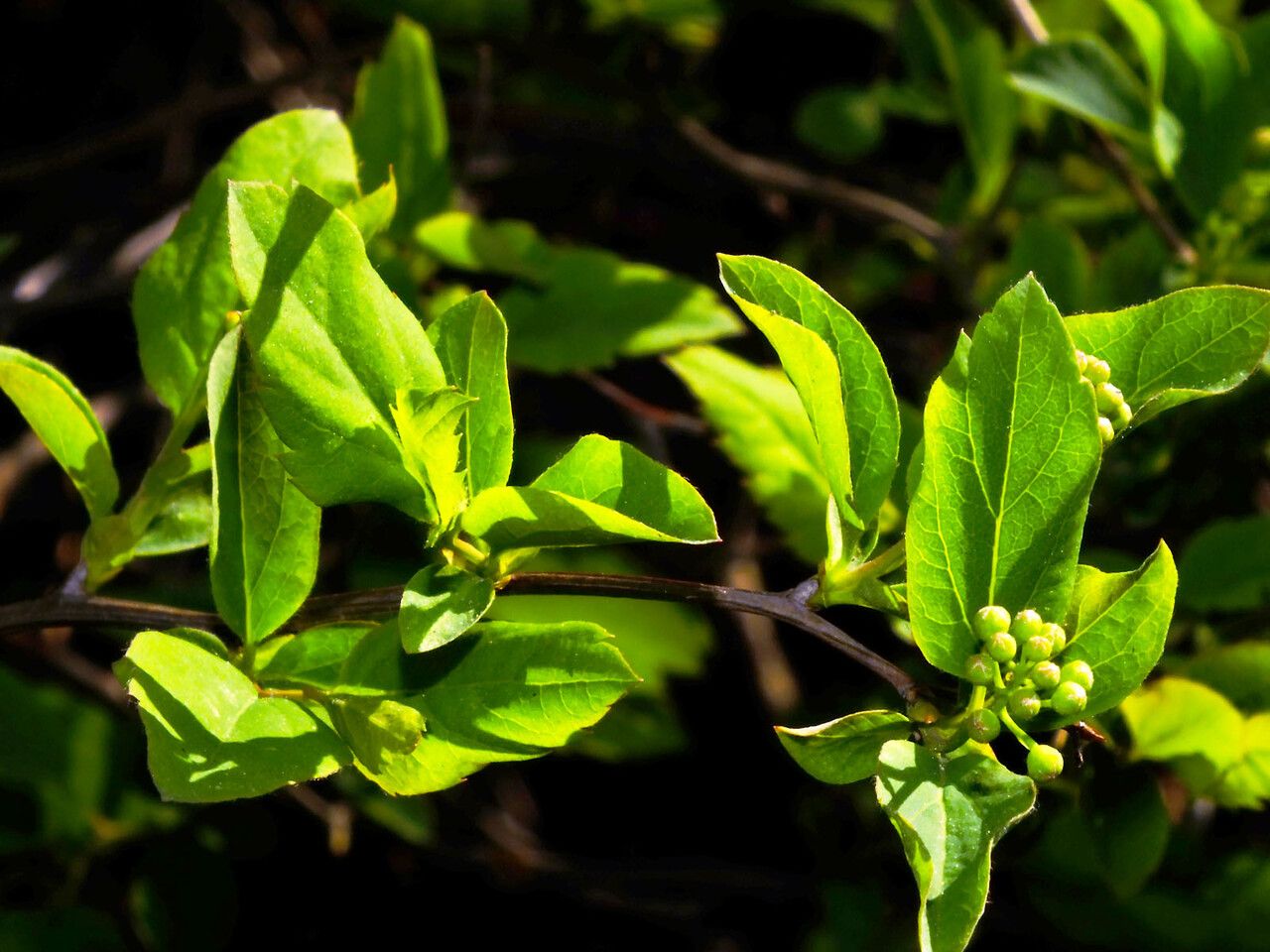
Oh, hello there! Come on in, grab a mug of tea. I’m so glad you’re interested in propagating Deutzia parviflora. It’s a darling of a shrub, isn’t it? With its delicate white flowers and lovely habit, it just brightens up any corner of the garden. And honestly, watching a little bit of your garden grow into something new? That’s pure magic. Don’t you worry, this is a plant that’s quite forgiving, even for those of you just dipping your toes into the world of propagation.
The Best Time to Start
For Deutzia parviflora, I find the early summer is your sweet spot. Think late May or June, when the new growth has started to firm up a little but is still quite flexible. This “semi-hardwood” stage is perfect for cuttings. You want stems that snap cleanly rather than bend, but they shouldn’t be woody and old.
Supplies You’ll Need
Here’s what you’ll want to have on hand:
- Clean Pruning Shears or Sharp Knife: Essential for making neat cuts.
- Rooting Hormone (Optional but Recommended): A powder or gel that encourages root development.
- Well-Draining Potting Mix: A good blend of peat moss, perlite, and a bit of compost works wonders. Or, you can buy a specific seed starting or propagation mix.
- Small Pots or Trays: Clean plastic pots or even recycled yogurt containers with drainage holes will do.
- Plastic Bag or Clear Dome: To create a humid environment for your cuttings.
- Watering Can or Spray Bottle: For gentle watering.
- Labeling Stick or Marker: So you don’t forget what you’ve planted!
Propagation Methods
I usually go with stem cuttings for Deutzia parviflora. It’s reliable and gives you plenty of opportunities to try.
Stem Cuttings:
- Take Your Cuttings: On your chosen day in early summer, select healthy, disease-free stems. Look for those that have started to harden slightly. Take cuttings about 4-6 inches long.
- Prepare the Cuttings: Remove the lower leaves, leaving just a few at the tip. This prevents them from rotting in the soil. If the leaves are very large, you can even cut them in half horizontally.
- Dip in Rooting Hormone: If you’re using rooting hormone, dip the cut end of each stem into it. Tap off any excess. This step really gives your cuttings a boost.
- Make Planting Holes: Fill your pots with your prepared potting mix. Make a hole in the center with a pencil or stick for each cutting. This prevents the rooting hormone from rubbing off.
- Insert Cuttings: Gently place each cutting into its hole, ensuring the bottom leaves are above the soil line. Firm the soil around the base of the stem.
- Water Gently: Water thoroughly but gently, making sure the soil is moist but not waterlogged. A spray bottle is great for this initial watering to avoid disturbing the cuttings.
- Create a Humid Environment: Cover the pots with a clear plastic bag to maintain high humidity. You can prop it up with skewers or chopsticks so it doesn’t touch the leaves. Alternatively, use a clear plastic dome.
- Provide Light: Place the pots in a bright location, out of direct sunlight. A greenhouse, a bright windowsill, or even under grow lights works well.
The “Secret Sauce” (Pro Tips)
Now, for a couple of little tricks that have helped me over the years.
- First, never let the leaves touch the water if you’re trying water propagation (though I find soil is better for Deutzia). Any leaf submerged is a direct invitation for rot. Just trim them off.
- Secondly, for cuttings in soil, bottom heat can be a game-changer. If you have a heated propagator mat, pop your pots on it. It encourages root development from below and really speeds things up. You don’t absolutely need it, but it does give those roots an extra nudge.
Aftercare & Troubleshooting
Once your cuttings are in their humid haven, check them regularly. You want the soil to remain consistently moist, but not soggy. Mist them occasionally if the humidity seems to be dropping.
You’ll know your cuttings are rooting when you see new leaf growth or feel a slight resistance when you gently tug on the stem. This can take anywhere from 3 to 8 weeks, so be patient!
The biggest problem you might encounter is rot. If you see stems turning black and mushy, or developing a fuzzy mold, it’s a sign of too much moisture and not enough air circulation. Sadly, these usually can’t be saved. It’s often better to discard them and start again, perhaps with slightly less water or better drainage.
A Encouraging Closing
There you have it! Growing new Deutzia parviflora plants from cuttings is such a rewarding journey. It takes a little patience and a dose of optimism, but seeing those tiny roots develop into a new life is truly wonderful. Don’t be discouraged if not every cutting makes it; that’s part of the learning process for all of us gardeners. Just keep trying, and enjoy the beautiful transformation. Happy propagating!
Resource:
https://identify.plantnet.org/k-world-flora/species/Deutzia%20parviflora%20Bunge/data