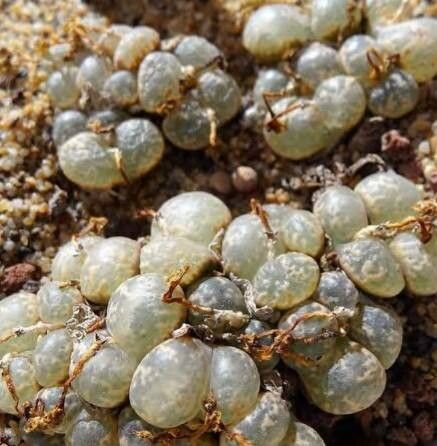
Hey there, fellow plant lovers! Today, we’re diving into the wonderful world of propagating Conophytum pellucidum. If you’ve ever admired those jewel-like, pebble-like succulents, you’re in for a treat. They have this incredible way of looking like tiny works of art, and the satisfaction of coaxing new life from a parent plant is just unmatched. Now, while these little guys can be a smidge finicky, especially for absolute beginners, don’t let that deter you! With a little patience and the right approach, you can absolutely succeed. Think of it as a rewarding challenge!
The Best Time to Start
My favorite time to start propagating Conophytum pellucidum is during their active growing season. This typically falls in the late summer or early autumn here in my part of the world. They’re getting ready to put on their growth spurt, and newly divided plants or cuttings are more likely to establish quickly and healthily. Trying to propagate them when they’re dormant or heading into it can just lead to disappointment.
Supplies You’ll Need
Here’s what I keep handy when I’m ready to get my propagation on:
- Specialized Succulent/Cactus Mix: Think gritty and well-draining. I usually mix my own with equal parts perlite, coarse sand, and a good quality potting soil.
- Sharp, Sterilized Pruning Shears or a Craft Knife: Cleanliness is key to preventing infection.
- Rooting Hormone (Optional but Recommended): A dab of this can give your cuttings and divisions a little boost.
- Small Pots or Trays: Terracotta pots are fantastic because they breathe.
- Perlite or Small Gravel: For covering the surface of the soil and discouraging rot.
- Watering Can with a Fine Rose: You want to water gently.
- A Well-Lit Spot: Bright, indirect light is best.
Propagation Methods
For Conophytum pellucidum, the most successful methods tend to be division and, if you’re feeling brave, offsets. Stem cuttings aren’t really a thing with these compact beauties.
Division
This is my go-to method for Conophytums.
- Gently Remove from Pot: Carefully ease your Conophytum clump out of its pot.
- Brush Away Old Soil: Gently brush away as much of the old soil as you can from the roots. You want to see where the individual bodies (which are technically modified stems, but we call them bodies!) are separating.
- Identify Natural Divisions: Look for natural breaks in the clump. Sometimes, older bodies will start to pull away from younger ones.
- Separate with Care: This is the delicate part. Using your fingers or a small, sharp tool, gently pull or slice the clump apart. Try to keep as many roots attached to each division as possible. Don’t be afraid to get a few bodies, as long as they have some root structure.
- Allow to Callus (Crucial!): Place the separated divisions in a dry, airy spot with good light for at least 2-3 days, or even up to a week, until the cut surfaces have dried and callused over. This prevents rot from setting in when you plant them.
- Potting Up: Plant each division in its own small pot filled with your well-draining succulent mix. I like to just tuck them into the soil so the base of the body is at or slightly above the soil line.
- Don’t Water Immediately: Wait a few days after potting before giving them their first light watering. This gives any small nicks on the roots time to heal.
Offsets (Baby Conos)
If your Conophytum clump has produced little baby plants (offsets) pushing out from the sides, you can try to separate them.
- Wait for Size: Let the offsets grow to a decent size. You want them to have a little bit of their own root structure, even if it’s tiny.
- Gentle Separation: Similar to division, try to gently pull the offset away from the parent plant. If it’s stubbornly attached, a clean, sharp knife can help.
- Callus and Pot: The process is then the same as for divisions: let them callus for a few days, then pot them up and hold off on watering for a bit.
The “Secret Sauce” (Pro Tips)
Here are a couple of things that have really helped me over the years:
- The Air Circulation Secret: Conophytums hate sitting in soggy soil. After planting divisions, I often sprinkle a thin layer of perlite or fine gravel on top of the soil. This helps keep the base of the plant dry and airy, which is a big deterrent to rot.
- Bottom Heat for the Hesitant: If you’re propagating in cooler weather, or if your new divisions seem a bit slow to show signs of life, a gentle bottom heat mat can be a game-changer. Just a little warmth can encourage those roots to get going without drying out the delicate bodies. Aim for around 70-75°F (21-24°C).
Aftercare & Troubleshooting
Once your little Conophytums have been planted and you’ve given them their first gentle drink, they’ll need consistent, but not excessive, care.
- Watering: Water thoroughly when the soil is completely dry. During their active growing season (autumn through spring), this might be every week or two, depending on your conditions. During their summer dormancy, water very sparingly, if at all. Overwatering is the quickest way to lose your new plants.
- Light: Provide bright, indirect light. Too much direct sun can scorch them, but too little light will weaken them.
- Troubleshooting – The Dreaded Rot: The most common problem is rot. If you see your Conophytum bodies becoming mushy, translucent, or developing dark, sunken spots, it’s likely rot. This usually means you’ve been watering too much, or the drainage isn’t good enough. Unfortunately, rot is often fatal. If you catch it early, you might be able to salvage a healthy part of a body, but it’s a tough battle. Watch for wrinkling – this is usually a sign of thirst, which is much easier to fix than rot!
A Little Patience Goes a Long Way
Propagating Conophytum pellucidum is a journey, not a race. There will be times when you think nothing is happening, and then, almost overnight, you’ll see new growth. Be patient, observe your plants, and don’t be afraid to experiment a little with your techniques. Enjoy the process, and you’ll soon have a lovely collection of these fascinating little gems! Happy growing!
Resource:
https://identify.plantnet.org/k-world-flora/species/Conophytum%20pellucidum%20Schwantes/data