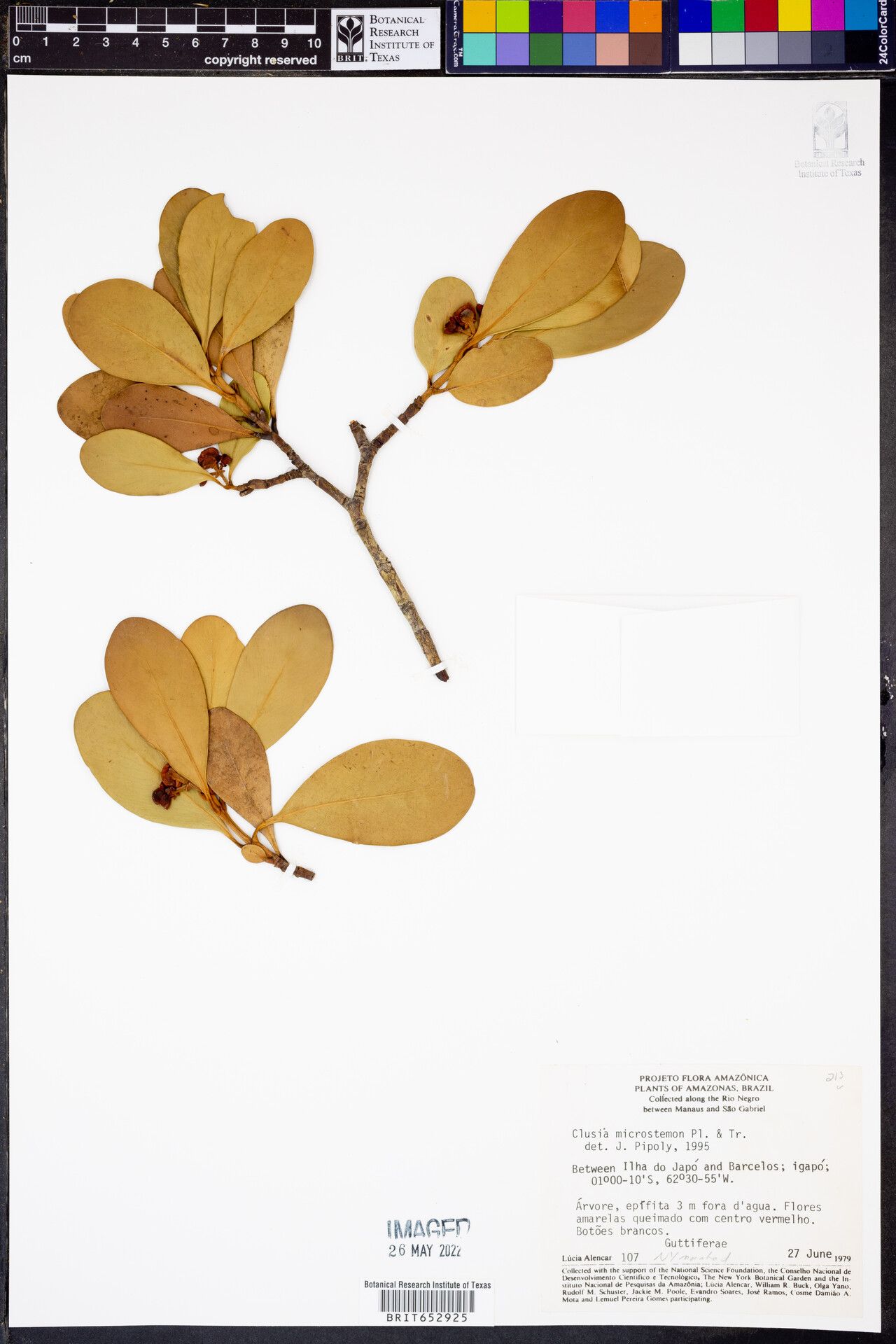
Hello, fellow plant lovers! Today, we’re diving into the wonderful world of Clusia microstemon, a plant that brings such a lush, tropical vibe to our homes. You know, those gorgeous, glossy leaves can really brighten up a corner, and getting more of them from cuttings is incredibly satisfying. If you’re new to the plant parenting game, you’ll be happy to hear that Clusia microstemon is quite forgiving – a fantastic choice for beginners looking to expand their green collection.
The Best Time to Start
The sweet spot for propagating Clusia microstemon is definitely spring or early summer. This is when the plant is actively growing and has the most energy to put into developing new roots. Waiting until after your plant has finished its main flush of growth, but before things really start to cool down, gives you the best chance of success.
Supplies You’ll Need
Here’s what you’ll want to have on hand before we get our hands dirty:
- Sharp Pruning Shears or a Craft Knife: Clean cuts are key!
- Rooting Hormone (Optional but Recommended): This can give your cuttings a little boost.
- A Well-Draining Potting Mix: I love a mix of equal parts peat moss, perlite, and coarse sand.
- Small Pots or Propagation Trays: Clean ones, please!
- Clear Plastic Bags or a Propagator Lid: To create a humid environment.
- Water: For rinsing and keeping things moist.
- A Spray Bottle: For a gentle mist.
Propagation Methods
Let’s get to the fun part! Clusia microstemon is super amenable to a couple of easy methods.
Stem Cuttings: My Go-To Choice
This is my favorite way to multiply my Clusia. It’s straightforward and yields great results.
- Select a Healthy Stem: Look for a mature, but not woody, stem that has at least two sets of leaves.
- Make the Cut: Using your clean shears or knife, make a cut just below a leaf node. This is the spot where a leaf emerges from the stem – it’s where new roots love to form. Aim for cuttings that are about 4-6 inches long.
- Remove Lower Leaves: Gently pull off the leaves from the bottom half of your cutting. You want to expose those nodes. You can even leave just one or two leaves at the very top, but don’t go overboard.
- Dip in Rooting Hormone (Optional): If you’re using rooting hormone, dip the cut end of the stem into it. Tap off any excess.
- Plant Your Cuttings: Fill your small pots with your well-draining mix. Make a small hole with your finger or a pencil and carefully insert the cut end of the Clusia stem into the soil. Gently firm the soil around the stem to keep it upright.
- Water Lightly: Give the soil a gentle watering, just enough to moisten it.
- Create Humidity: Now, this is crucial. Cover the pot with a clear plastic bag or the lid of a propagator. Make sure the leaves aren’t touching the sides of the bag if possible. This creates a mini-greenhouse!
- Place in Bright, Indirect Light: Find a warm spot that gets plenty of bright, indirect sunlight, but avoid direct sun, which can scorch the young cuttings.
Water Propagation: A Visual Treat
If you like seeing your roots grow, this is for you!
- Prepare Your Cuttings: Follow steps 1-3 from the stem cutting method.
- Place in Water: Put your prepared cuttings in a clean glass or jar filled with room-temperature water.
- “Don’t Let Leaves Touch the Water”: This is really important here. Make sure no leaves are submerged in the water. If any are, trim them off. Submerged leaves will rot and can kill your cutting before it even has a chance to root.
- Change Water Regularly: Every few days, or whenever the water looks cloudy, carefully change out the water to keep it fresh and prevent bacterial growth.
- Bright, Indirect Light: Just like with soil propagation, place your jar in a spot with bright, indirect light.
The “Secret Sauce” (Pro Tips)
Okay, lean in a little – here are a few things I’ve learned that can really make a difference:
- Bottom Heat is Your Friend: If you have a seedling mat or can place your pots on top of a gentle heat source (like the top of a warm router, carefully!), this can significantly speed up root development. Clusia loves a bit of warmth encouraging those roots to sprout.
- Don’t Be Impatient with Water Propagation: Sometimes, it can take several weeks for roots to appear in water. Resist the urge to disturb the cuttings too much. Just keep the water fresh and the light consistent.
- A Light Mist Can Help: For stem cuttings, I’ll often give the leaves a light mist with my spray bottle once a day, especially if my humidity tent feels a bit dry. It just keeps them happy and hydrated while they’re working on their roots.
Aftercare & Troubleshooting
Once you see new roots forming – you’ll know when they’re ready! For stem cuttings, you’ll feel a gentle tug when you try to move the plant. For water cuttings, you’ll see plump, white roots an inch or two long.
- For Stem Cuttings: Once roots are about an inch long, it’s time to pot them up into their own small pots with your standard potting mix. Continue to keep them in bright, indirect light and water them consistently, but don’t let the soil become waterlogged.
- For Water Cuttings: Once roots are a good length, you can carefully transplant them into pots with soil. Treat them as you would a newly potted stem cutting.
Common Signs of Failure:
The main thing to watch out for is rot. If your cuttings are wilting dramatically, turning black, or becoming mushy, it’s usually a sign of too much moisture and not enough air circulation, or sometimes the dreaded root rot from stagnant water. If you catch it early with stem cuttings, you might be able to salvage a healthy section by recutting and starting again. For water cuttings, if they start to rot, unfortunately, it’s usually best to discard them.
A Encouraging Closing
And there you have it! Propagating Clusia microstemon is a wonderfully rewarding experience that allows you to share the joy of plants with friends or simply fill your own home with more of its beautiful greenery. Don’t be discouraged if your first few attempts aren’t perfect. Every gardener learns through trial and error. Be patient, enjoy the process of nurturing new life, and happy propagating!
Resource:
https://identify.plantnet.org/k-world-flora/species/Clusia%20microstemon%20Planch.%20&%20Triana/data