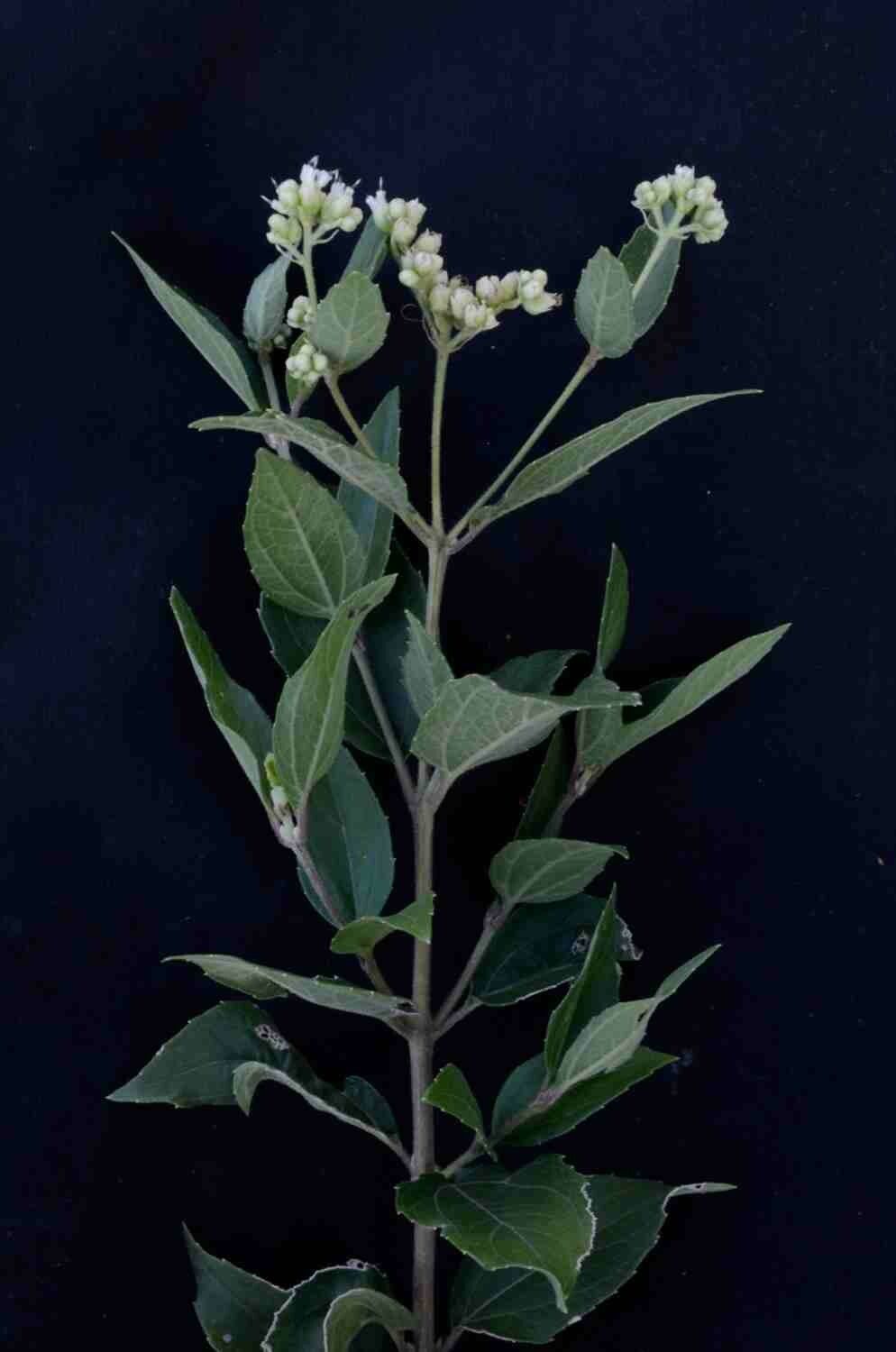
Oh, hello there! Come on in, grab a mug. I’m so excited to chat about Clibadium armanii with you today. This is one of those absolute stunners that just brings a smile to your face. Its vibrant foliage and unique charm make it a real standout in any collection. And the best part? Sharing this beauty by propagating it is wonderfully rewarding, and I’m happy to say, it’s not a particularly finicky plant to get started with. Even if you’re relatively new to the propagation game, you can absolutely succeed with this one.
The Best Time to Start
For the highest success rate with Clibadium armanii, I always recommend starting in late spring or early summer. This is when the plant is in its most vigorous growth phase. The stems are usually plump and full of energy, which means they’re more likely to root successfully. Think of it as the plant’s prime time – it’s just bursting with life and eager to grow!
Supplies You’ll Need
Before we dive in, let’s get our toolkit ready. Here’s what you’ll want to have on hand:
- Sharp, clean pruning shears or a sharp knife: Essential for making clean cuts.
- Rooting hormone (optional, but recommended): Gives your cuttings a little boost. I like using a powder form for ease.
- Well-draining potting mix: A peat-based mix with perlite or coarse sand is perfect. You want it to drain freely, not hold onto too much moisture.
- Small pots or seedling trays: Clean ones, please!
- Watering can with a fine rose: For gentle watering.
- Plastic bags or a propagation dome: To create a humid environment.
- Labels and a marker: So you don’t forget what you’ve planted!
Propagation Methods
Clibadium armanii is a breeze to propagate, and I find stem cuttings to be the most reliable method. Here’s how I do it:
- Take Your Cuttings: With your clean shears, select a healthy, non-flowering stem that is at least 4-6 inches long. Make a clean cut just below a leaf node. Leaf nodes are those little bump-like structures where leaves join the stem – that’s where the magic happens for rooting.
- Prepare the Cuttings: Gently remove the lower leaves from your cutting, leaving just a few at the top. This prevents them from rotting in the soil. If your stem is quite long, you can even cut it into smaller sections, ensuring each section has at least one leaf node.
- Apply Rooting Hormone (Optional): Dip the cut end of the stem into your rooting hormone. Tap off any excess. This step isn’t strictly necessary for Clibadium armanii, but it does seem to speed up the rooting process.
- Plant Your Cuttings: Fill your clean pots or trays with your well-draining potting mix, lightly moistening it. Make a small hole in the soil with a pencil or your finger. Insert the prepared cutting into the hole, making sure the leaf node is buried in the soil. Gently firm the soil around the base of the cutting.
- Create Humidity: Water gently. Then, cover the pot or tray with a plastic bag or propagation dome. This creates a mini-greenhouse effect, keeping the humidity high which is crucial for cuttings. Make sure the leaves aren’t directly touching the plastic if possible.
The “Secret Sauce”
Now for a few little tricks I’ve picked up over the years. These aren’t always written in the basic guides, but they make a real difference:
- Bottom Heat is Your Friend: If you have a seedling heat mat, placing your pots on it can significantly speed up root development. The warmth encourages quicker growth from the base of the cutting. Just ensure the soil doesn’t dry out too quickly on a heat mat.
- Don’t Drown It! While humidity is key, overwatering is the quickest way to kill a cutting. The soil should be consistently moist, but never soggy. If you see water pooling at the bottom of the pot, you’ve gone too far.
- Fresh Air Fades Rot: Every few days, I like to lift the plastic bag or prop open the dome for a few minutes. This allows for some air circulation, which helps prevent fungal diseases like rot from taking hold.
Aftercare & Troubleshooting
Once your cuttings have developed a good root system – you’ll know because you’ll start to see new growth appearing at the top! – it’s time for them to graduate.
Gently transplant your rooted cuttings into individual pots with fresh potting mix. Continue to water them consistently, but ease off the high humidity. Avoid direct, scorching sunlight initially; bright, indirect light is best while they settle in.
What if things go south? A common issue is rot. If your cutting turns black and mushy at the base, or the leaves start to yellow and wilt without any signs of new growth, it’s likely succumbed to rot. This usually means the conditions were too wet and lacked adequate air circulation. Don’t be discouraged! Just discard the rotted cutting and try again, remembering those moisture and air circulation tips.
A Sweet Ending
Watching a tiny cutting transform into a thriving new plant is one of the most magically satisfying parts of gardening. Be patient with your Clibadium armanii cuttings. Every plant is different, and sometimes they just need a little extra time to get their roots established. Enjoy the process, celebrate your successes, and don’t be afraid to get your hands dirty! Happy propagating!
Resource: