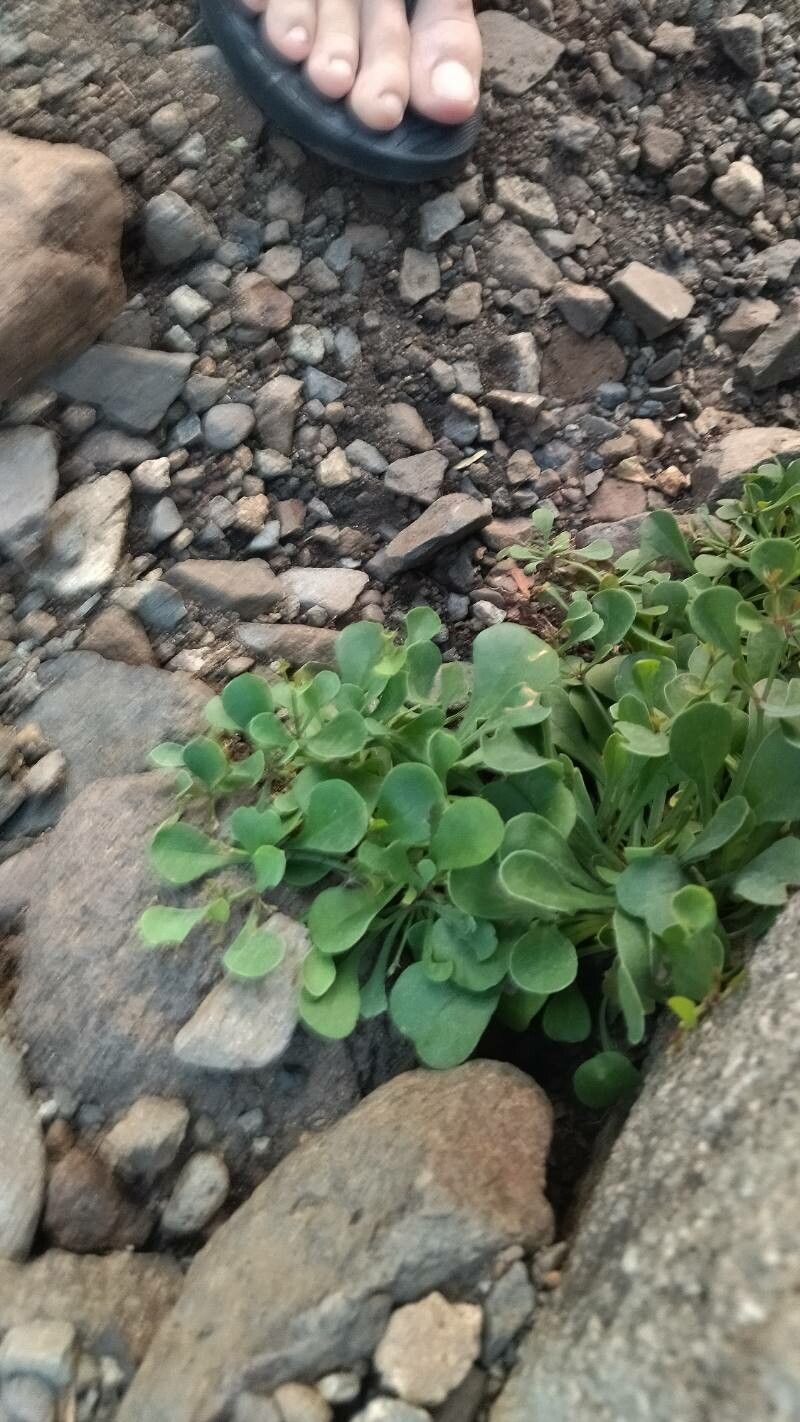
Hey there, fellow garden enthusiasts! I’m so excited to chat with you today about a little gem that truly stole my heart: Bellium crassifolium.
The Tiny Treasure: Why Propagate Bellium Crassifolium?
You know those plants that just make you smile every time you see them? That’s Bellium crassifolium for me. It’s often called the “Little Daisy” because of its charming, understated daisy-like flowers. They’re such delicate beauties, and seeing them carpet a pot or a small garden bed is just pure joy. Propagating them is incredibly rewarding, giving you more of that cheerful beauty to share or grow!
Now, if you’re just dipping your toes into the world of propagation, you might wonder if this is a daunting task. Honestly, Bellium crassifolium is a pretty beginner-friendly plant to work with. With a little care and attention, you’ll be well on your way to success.
When is the Magic Hour? The Best Time to Start
For the highest success rate with Bellium crassifolium, I find that late spring to early summer is your sweet spot. This is when the plant is actively growing and has plenty of energy to put into developing new roots. You can also have success with cuttings taken in early autumn, but the spring-to-summer window generally offers the quickest and most robust results. Look for healthy, vigorous stems that aren’t flowering yet, as these tend to root best.
Gathering Your Seedling Support Crew: Supplies You’ll Need
Before we dive into the “how,” let’s make sure you have everything ready. A little preparation goes a long way in making this process smooth sailing.
- Sterile potting mix: A good quality, well-draining potting mix is crucial. I often use a blend of peat moss or coco coir with perlite or vermiculite to ensure good aeration and prevent waterlogging.
- Sharp, clean pruning shears or a craft knife: For making clean cuts. Hygiene is key to prevent diseases from entering your cuttings.
- Rooting hormone (optional but recommended): This can give your cuttings a nice boost, though Bellium crassifolium often roots without it.
- Small pots or seed trays: Clean containers with drainage holes are a must.
- Watering can or spray bottle: For gentle watering.
- Plastic bags or propagation dome: To create a humid environment.
Bringing New Life: Propagation Methods
Bellium crassifolium is wonderfully adaptable, and you have a couple of excellent methods to choose from.
Method 1: Stem Cuttings (My Favorite!)
This is my go-to method for Bellium crassifolium. It’s efficient and yields great results.
- Take the Cuttings: Using your sharp shears or knife, take stem cuttings that are about 3-4 inches long. Look for healthy, non-flowering stems. Make a clean cut just below a leaf node (where the leaves attach to the stem).
- Prepare the Cuttings: Gently remove the lower leaves from the stem, leaving just a few at the top. This prevents them from rotting in the soil. If you’re using rooting hormone, dip the cut end of the stem into the powder, tapping off any excess.
- Plant the Cuttings: Fill your small pots or trays with your prepared potting mix. Make a small hole in the center with your finger or a pencil. Insert the cut end of the stem into the hole, ensuring the node is buried. Gently firm the soil around the stem to support it.
- Create Humidity: Water the soil lightly. Then, cover the pots with a plastic bag or propagation dome to create a humid environment. You can use stakes to keep the plastic from touching the leaves. Place the pots in a bright spot but out of direct sunlight.
Method 2: Division (When Plants Get Crowded)
If your Bellium crassifolium is looking a bit crowded in its pot or garden spot, or is producing fewer flowers, it’s time to divide.
- Prepare the Plant: Water the plant thoroughly a day before you plan to divide it. This helps the root ball stay intact.
- Remove from Pot/Ground: Gently remove the entire plant from its container or carefully dig it up from the garden.
- Divide the Root Ball: Holding the plant gently, use your fingers or a clean trowel to carefully separate the root ball into smaller sections. Each section should have roots and a few stems. If the roots are tangled, you can use a clean knife to make the divisions.
- Replant Immediately: Pot up the divisions into separate containers with fresh potting mix, or replant them back into the garden. Water them well.
The “Secret Sauce”: My Insider Tips
Over the years, I’ve learned a few little tricks that can really make a difference.
- Bottom Heat is Your Friend: For stem cuttings, placing your pots on a gentle heat mat can significantly speed up root development. This mimics the warmth of spring soil and gives those roots an extra push. Just feel the warmth on your wrist – it shouldn’t be hot, just pleasantly warm.
- Don’t Drown Your Dreams: While humidity is important, avoid letting the leaves of your cuttings sit in standing water inside the plastic bag. This can lead to rot. If you see condensation pooling heavily, gently wipe it away or air out the bag for a bit.
- Patience is a Virtue (and a Necessity): Bellium crassifolium can take a few weeks to show signs of rooting. Resist the urge to constantly tug on your cuttings to check for roots. You’ll see new leafy growth appear when roots are developing.
Welcoming Your New Sprouts: Aftercare & Troubleshooting
Once you start seeing new growth, that’s a good sign that roots are forming!
- Acclimatization: Gradually introduce your new plants to drier air over a few days. Start by opening the plastic bag for an hour or two, then increase the time until you can remove the bag altogether.
- Watering: Water gently when the top inch of soil feels dry to the touch. Avoid overwatering, which is the most common cause of failure.
- Light: Continue to grow your new plants in bright, indirect light. Once they’re well-established and showing good growth, you can gradually move them to more direct sunlight, depending on your climate and the plant’s needs.
Troubleshooting:
The most common issue you might encounter is rot. If your cuttings turn mushy or black, it’s usually a sign of too much moisture or not enough air circulation. If this happens, try to salvage any healthy-looking parts if you can, and ensure your watering and humidity levels are correct for your next batch. Yellowing leaves can sometimes indicate overwatering or a lack of light.
Go Forth and Grow!
Propagating Bellium crassifolium is such a joyful way to expand your garden. It’s a lovely process that connects you more deeply with your plants. Be patient, enjoy each small step, and soon you’ll be surrounded by even more of these delightful little daisies. Happy gardening!
Resource:
https://identify.plantnet.org/k-world-flora/species/Bellium%20crassifolium%20Moris/data