Hey there, fellow plant lovers!
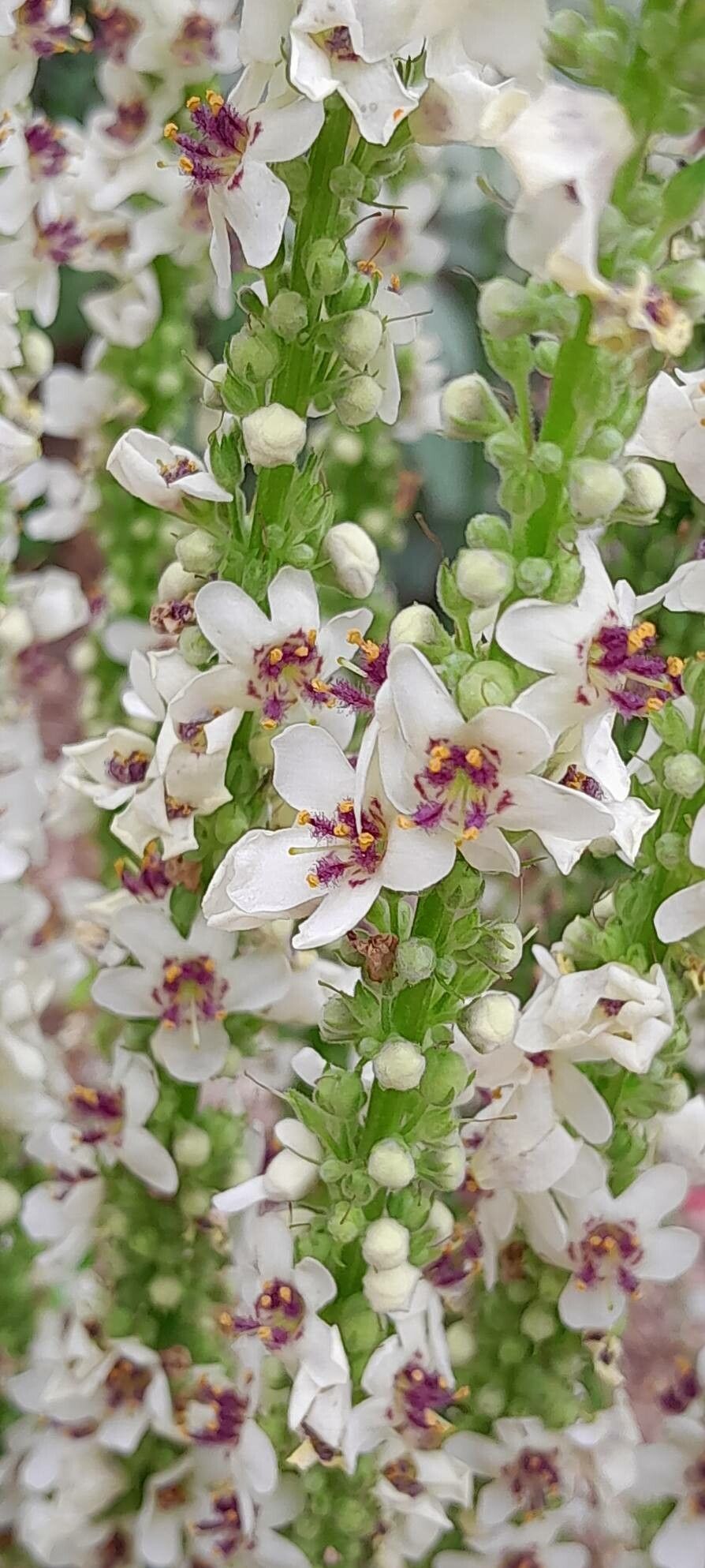
If you’ve ever admired those stately spires of Verbascum chaixii, with their cheerful yellow or white blooms often accented with a pop of purple or pink in the center, you know just how special they are. They bring such a lovely vertical element to the garden, like little beacons of sunshine, and attract all sorts of beneficial pollinators. The best part? They’re surprisingly rewarding to propagate. If you’re new to the world of plant multiplication, I’m happy to tell you that Verbascum chaixii is a pretty approachable plant to get started with. You’ll feel like a true garden wizard when you see those tiny new roots forming!
The Best Time to Start
For Verbascum chaixii, late spring to early summer is usually your golden window. This is when the plant is actively growing and has plenty of energy to put into establishing new roots. You’re looking for nice, vigorous new shoots that haven’t yet flowered heavily. If you miss this window, don’t despair! You can also try in early autumn, but give your new cuttings plenty of time to establish before the cold really sets in.
Supplies You’ll Need
Gathering your supplies beforehand makes the whole process smoother. Here’s what I usually have on hand:
- Sharp pruning shears or a clean knife: For making nice, clean cuts.
- Seedling tray or small pots: About 3-4 inch pots work well.
- Propagating mix: I like a mix of equal parts perlite and seed-starting mix. It’s nice and airy, which prevents rot.
- Rooting hormone (optional but recommended): Especially for stem cuttings. It gives them a great boost.
- Watering can or spray bottle: For gentle watering.
- Clear plastic bag or propagator lid: To create a humid environment for cuttings.
- Gravel or perlite (for water propagation): To keep the cuttings upright.
Propagation Methods
Verbascum chaixii is pretty straightforward. My favorite methods are stem cuttings and, if you’re feeling adventurous, division.
Stem Cuttings
This is my go-to for Verbascum.
- Take the cuttings: In late spring or early summer, select healthy, non-flowering shoots from your existing plant. Look for stems that are about 4-6 inches long. Using your sharp shears, make a clean cut just below a leaf node (where a leaf joins the stem).
- Prepare the cuttings: Gently remove the lower leaves, leaving just a couple of leaves at the top. If the remaining leaves are very large, you can cut them in half to reduce water loss. Then, dip the cut end into your rooting hormone powder, tapping off any excess.
- Plant the cuttings: Fill your small pots with your propagating mix. Make a small hole with your finger or a pencil, and insert the cutting, ensuring the nodes where you removed the leaves are buried. Gently firm the soil around the stem.
- Create humidity: Water the soil gently. Then, cover the pot with a clear plastic bag or propagator lid. This is crucial for keeping the humidity high, which helps the cuttings from drying out.
- Provide warmth and light: Place the pots in a bright location that doesn’t get direct, scorching sun. A warm spot, like a windowsill or a heated propagator if you have one, will encourage rooting.
Division (Best for Mature Plants)
If you have a well-established Verbascum, you can divide it.
- Dig up the plant: In early spring as new growth appears, or in early autumn, carefully dig up the entire plant.
- Separate the clumps: Gently shake off excess soil to reveal the root system. You should see distinct crowns or clumps. Using your hands or a clean spade, carefully pull or cut apart the larger clumps into smaller sections. Each division should have roots and at least one or two healthy shoots.
- Replant: Immediately replant the divisions into their new homes. Water them well and keep an eye on them, especially during dry spells. Mature plants can handle this well, and it’s a great way to rejuvenate older specimens.
The “Secret Sauce” (Pro Tips)
Here are a couple of things I’ve learned over the years that really make a difference:
- Don’t let the leaves touch the water: If you opt for water propagation (which I find less successful for Verbascum but still worth a try if you’re feeling experimental), use something like gravel or perlite to keep your cuttings upright. Crucially, make sure no leaves are submerged. Rot sets in very quickly with wet foliage.
- Bottom heat is your friend: For stem cuttings, while not strictly essential, placing your pots on a heated propagator mat or on top of a router (if it’s warm enough!) can significantly speed up root development. It mimics natural soil warmth and gives those little roots a much-needed nudge.
Aftercare & Troubleshooting
Once you see signs of new growth, it’s a good sign roots are forming!
- Ventilation: Gradually start to ventilate your cuttings by opening the plastic bag or propagator lid for short periods each day. This helps them acclimatize to drier air.
- Transplanting: When your cuttings have developed a good network of roots that are starting to fill the pot (you can gently tip a pot to check, or look for roots poking out the drainage holes), it’s time to transplant them into their own individual, slightly larger pots with good quality potting soil.
- Watering: Water newly transplanted seedlings gently but thoroughly. Keep the soil consistently moist but not waterlogged. As they grow stronger, you can let the soil dry out slightly between waterings.
Now, what if things go wrong? The most common culprit is rot. If your cuttings turn mushy, black, or just refuse to show any signs of life after several weeks, they’ve likely succumbed to rot. This is usually due to overwatering, poor drainage, or lack of air circulation. Don’t be discouraged! Sometimes, it just takes a few tries.
A Encouraging Closing
Propagating Verbascum chaixii is a wonderfully satisfying journey. It’s a chance to connect with nature on a deeper level, to witness the magic of new life unfolding. Be patient with your little green babies, give them a bit of warmth and moisture, and I have no doubt you’ll soon be rewarded with a garden full of these delightful plants. Happy propagating!
Resource:
https://identify.plantnet.org/k-world-flora/species/Verbascum%20chaixii%20Vill./data