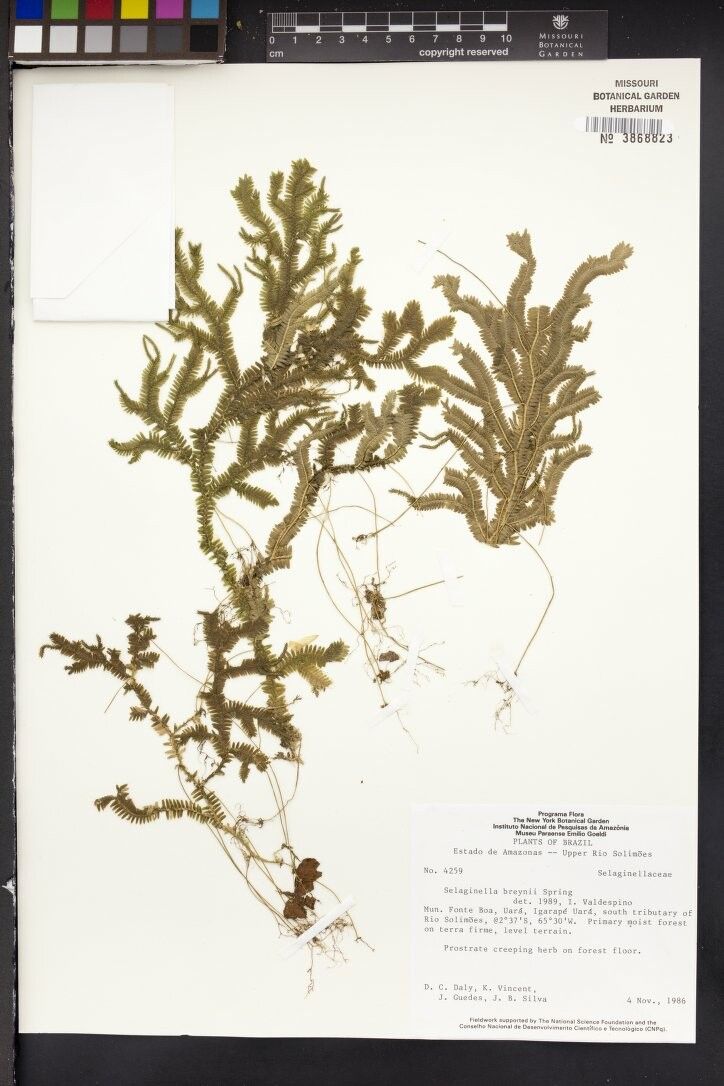
Oh, Selaginella breynii! If you’ve ever seen one of these beauties, you know what I mean. They’re like miniature emerald forests, a cascade of delicate lace-like foliage that just brings a touch of magic to any shady corner. I still remember the first time I laid eyes on a mature specimen, absolutely dripping with greenery. It’s truly enchanting.
And the best part? They’re surprisingly rewarding to propagate. Now, I won’t lie to you and say it’s as simple as sticking a succulent leaf in dirt. Selaginella can be a tad fussy, but with a little understanding and patience, you’ll be rewarded with plenty of new plants. It’s a journey that’s definitely worth embarking on.
The Best Time to Start
For the highest success rate, your best bet is to propagate Selaginella breynii when it’s actively growing. Think late spring or early summer. The longer days and warmer temperatures really give those new cuttings the boost they need to take root. You can certainly try at other times, but you might find things move a bit slower.
Supplies You’ll Need
Gathering your supplies beforehand makes the whole process so much smoother. Here’s what I always have on hand:
- Well-draining potting mix: A blend of peat moss or coco coir, perlite, and a bit of compost works wonders.
- Sharp pruning shears or a clean knife: To make nice, clean cuts.
- Small pots or propagation trays: With drainage holes, of course!
- Plastic bag or clear dome: To create a humid environment.
- Rooting hormone (optional but helpful): Especially for stem cuttings.
- Misting bottle: For keeping things nice and moist.
- Perlite (for water propagation): To help keep stems from rotting.
Propagation Methods
We’ll focus on a couple of tried-and-true methods that work best for Selaginella.
Stem Cuttings: This is my go-to method for Selaginella breynii.
- Select healthy stems: Look for vibrant, leafy stems that are at least 3-4 inches long. Avoid any that look leggy or pale.
- Make the cut: Using your clean shears or knife, make a clean cut just below a leaf node (the point where a leaf attaches to the stem). You’ll want to take several cuttings from a healthy parent plant.
- Remove lower leaves: Gently pull off the leaves from the bottom inch or so of each cutting. This helps prevent them from rotting in the soil and exposes the nodes where roots will emerge.
- Apply rooting hormone (optional): Dip the cut end of each stem into rooting hormone, tapping off any excess.
- Plant the cuttings: Fill your small pots or trays with your prepared potting mix. Make a small hole with your finger or a pencil and insert the cut end of each cutting, ensuring the nodes are buried. Gently firm the soil around them.
- Water lightly: Moisten the soil thoroughly but avoid waterlogging it.
- Create humidity: Cover the pots with a plastic bag or propagation dome. Make sure the leaves aren’t touching the plastic if possible. A few skewers can help prop it up.
Water Propagation: This method can be satisfying to watch, but it requires a bit more attention to prevent rot.
- Prepare your cuttings: Follow steps 1-3 from the stem cutting method.
- Prepare your container: Use small jars or glasses. Fill them with fresh water and add a tablespoon or two of perlite to the bottom. The perlite helps keep the cuttings from sitting directly on the bottom and can aid aeration.
- Place cuttings in water: Insert the cut ends of your Selaginella cuttings into the water, ensuring the leaf nodes are submerged. Crucially, make sure no leaves are in the water. Leaves sitting in water will quickly turn mushy and rot.
- Change water regularly: This is key! Change the water every 2-3 days to keep it fresh and oxygenated. Clean the jar if you see any slime developing.
The “Secret Sauce”
Here are a couple of little tricks I’ve learned over the years that really make a difference:
- Bottom heat is your friend: Selaginella loves warmth, especially when trying to root. Placing your pots or trays on a seedling heat mat set to a gentle temperature (around 70-75°F or 21-24°C) significantly speeds up the rooting process. You’ll feel the difference!
- Don’t rush the potting-up: When propagating in water, wait until you see some decent root development – at least an inch long – before attempting to plant them in soil. Trying to pot them up too soon can shock tender new roots.
Aftercare & Troubleshooting
Once your cuttings have begun to root (you’ll see new leaf growth or feel resistance when gently tugging), it’s time for their next step!
- Acclimatize slowly: Gradually remove the plastic bag or dome over a few days to let them get used to normal humidity.
- Continue consistent moisture: Keep the soil consistently moist but not soggy. Mist them regularly.
- Bright, indirect light: Place them in a spot with bright, indirect light. Avoid direct sun, which can scorch their delicate leaves.
Now, what if things go wrong? The most common culprit is rot, which manifests as mushy, brown stems or leaves. This is usually due to overwatering or poor air circulation. If you see rot, act fast! Remove affected parts immediately and try to improve air flow. Sometimes, unfortunately, a rotter is a loss, but don’t despair. It’s just part of the learning curve. Yellowing leaves can indicate too much or too little light, or inconsistent watering. Observe your plant and adjust accordingly.
A Encouraging Closing
Propagating Selaginella breynii can feel like a bit of an art, and like any art, it takes practice. Be patient with yourself and your little green charges. Enjoy the process of nurturing new life, and before you know it, you’ll have a whole new collection of these charming plants to share or to fill your own shady sanctuaries. Happy propagating!
Resource:
https://identify.plantnet.org/k-world-flora/species/Selaginella%20breynii%20Spring/data