Hello, fellow garden enthusiasts!
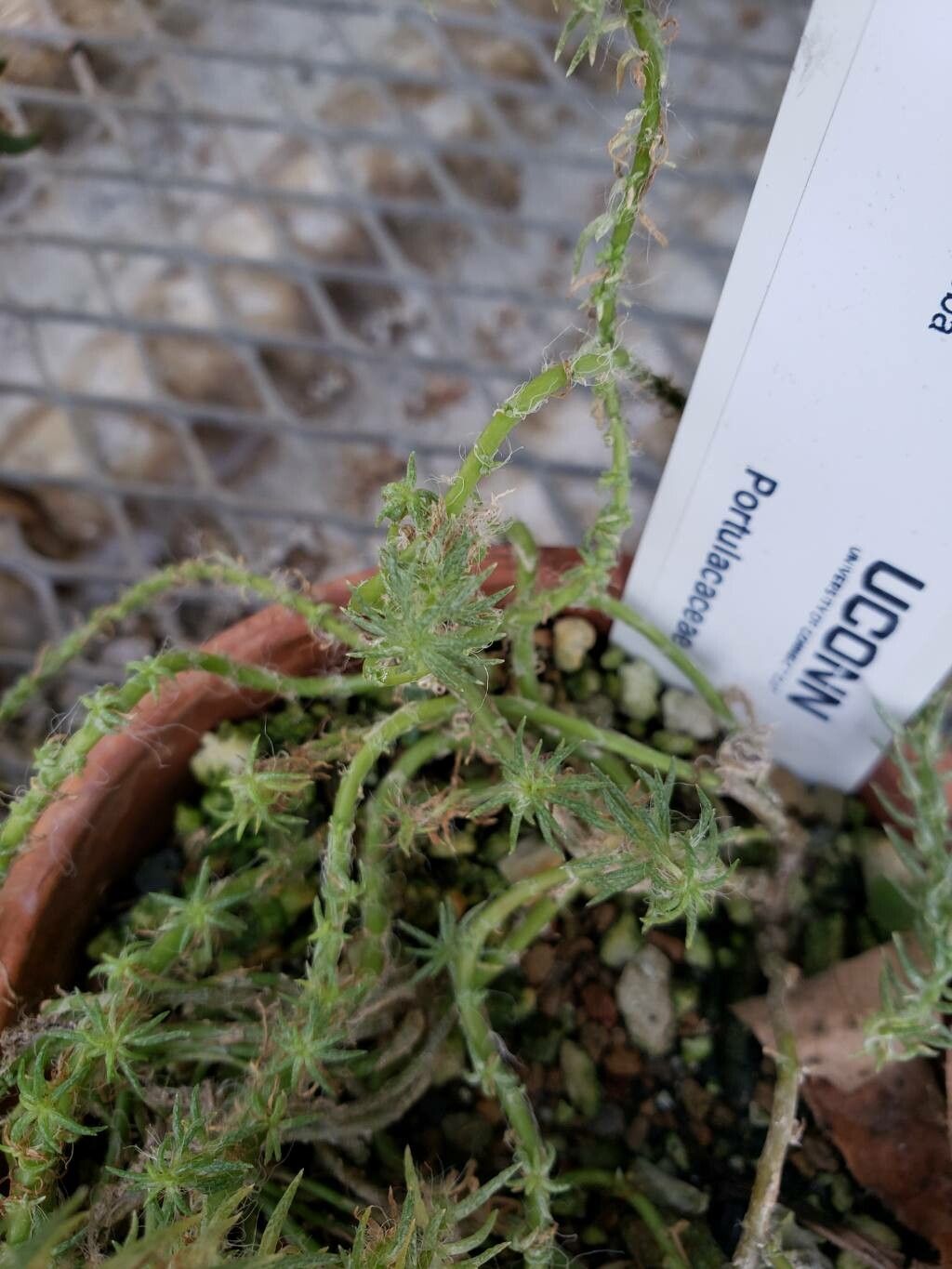
Today, we’re diving into something truly delightful: propagating Portulaca eruca. You know, the one with those vibrant, jewel-toned flowers that practically sing with joy in the summer sun? This little succulent-like marvel is an absolute charmer in any garden bed or container. And the best part? Learning to create more of these beauties from your existing plants is incredibly rewarding, and I’m happy to tell you, it’s quite achievable for beginners! It’s like magic, but the kind you create with your own hands.
The Best Time to Start
For the absolute highest success rate with Portulaca eruca, aim for late spring to early summer. This is when the plant is actively growing and has plenty of energy to put into developing new roots. You want to work with healthy, vigorous stems that aren’t stressed by extreme heat or cold.
Supplies You’ll Need
Here’s what you should have on hand before you get started:
- Sharp pruning shears or scissors: Cleanliness is key to prevent disease.
- A well-draining potting mix: I love a mix of perlite, coarse sand, and a good quality potting soil. You can also buy specific cactus and succulent mixes.
- Small pots or seed trays: Clean ones, of course!
- Rooting hormone (optional but recommended): This little booster can really speed up the process.
- Gloves (optional): Some people find the sap a little sticky.
- A spray bottle: For gentle misting.
Propagation Methods
Portulaca eruca is wonderfully versatile, but my go-to method is stem cuttings. It’s straightforward and gives you fantastic results.
Stem Cuttings:
- Select your cutting: Look for healthy, non-flowering stems that are about 3-4 inches long. Gently snip them from the mother plant using your clean shears.
- Prepare the cutting: Remove the lower leaves from the bottom inch of the stem. This will expose the nodes where roots will emerge and prevent leaves from rotting when planted.
- Let it callus (optional but good practice): If you have a bit of time, let the cut end of the stem dry out for a day or two in a well-ventilated spot. This forms a protective callus, reducing the risk of rot.
- Apply rooting hormone (if using): Dip the callused end of the cutting into rooting hormone, tapping off any excess.
- Plant the cutting: Insert the stem end into your prepared potting mix, about 1-2 inches deep. You can plant several cuttings in one pot, giving them a little space so they don’t crowd each other.
- Water gently: Give the soil a light watering. A spray bottle is perfect here to avoid disturbing the cutting.
The “Secret Sauce” (Pro Tips)
Here are a couple of things I’ve learned over the years that really make a difference:
- Don’t drown your cuttings: While they need moisture to root, Soggy soil is the enemy. Water only when the top inch of soil feels dry to the touch. Overwatering is the most common cause of failure.
- Location, location, location: Bright, indirect light is ideal. Direct, hot sun can scorch delicate cuttings. A spot on a bright windowsill or a protected area outdoors would be perfect.
- Bottom heat is your friend: If you’re propagation early in the season when it’s still a bit cool, placing your pots on a seedling heat mat can significantly speed up root development. It mimics the warmth of spring soil.
Aftercare & Troubleshooting
Once your cuttings are planted, patience is key! Keep the soil lightly moist and in that bright, indirect light. You should start to see signs of new growth or a gentle tug when roots have formed in about 3-6 weeks. When they feel secure, you can treat them like young versions of the mature plant – let the soil dry out a bit between waterings and gradually introduce them to more sun.
The most common issue you might encounter is rot. If a cutting looks mushy, black, or falls over completely, it’s likely rotted. This is usually due to too much moisture or poor drainage. Don’t be discouraged; just try again with a fresh cutting and adjust your watering.
A Encouraging Closing
So there you have it! Propagating Portulaca eruca is a wonderfully accessible way to multiply your garden’s joy. Be patient with your little green babies, give them the right conditions, and before you know it, you’ll have a whole new collection to admire. Happy propagating!
Resource:
https://identify.plantnet.org/k-world-flora/species/Portulaca%20eruca%20Hauman/data