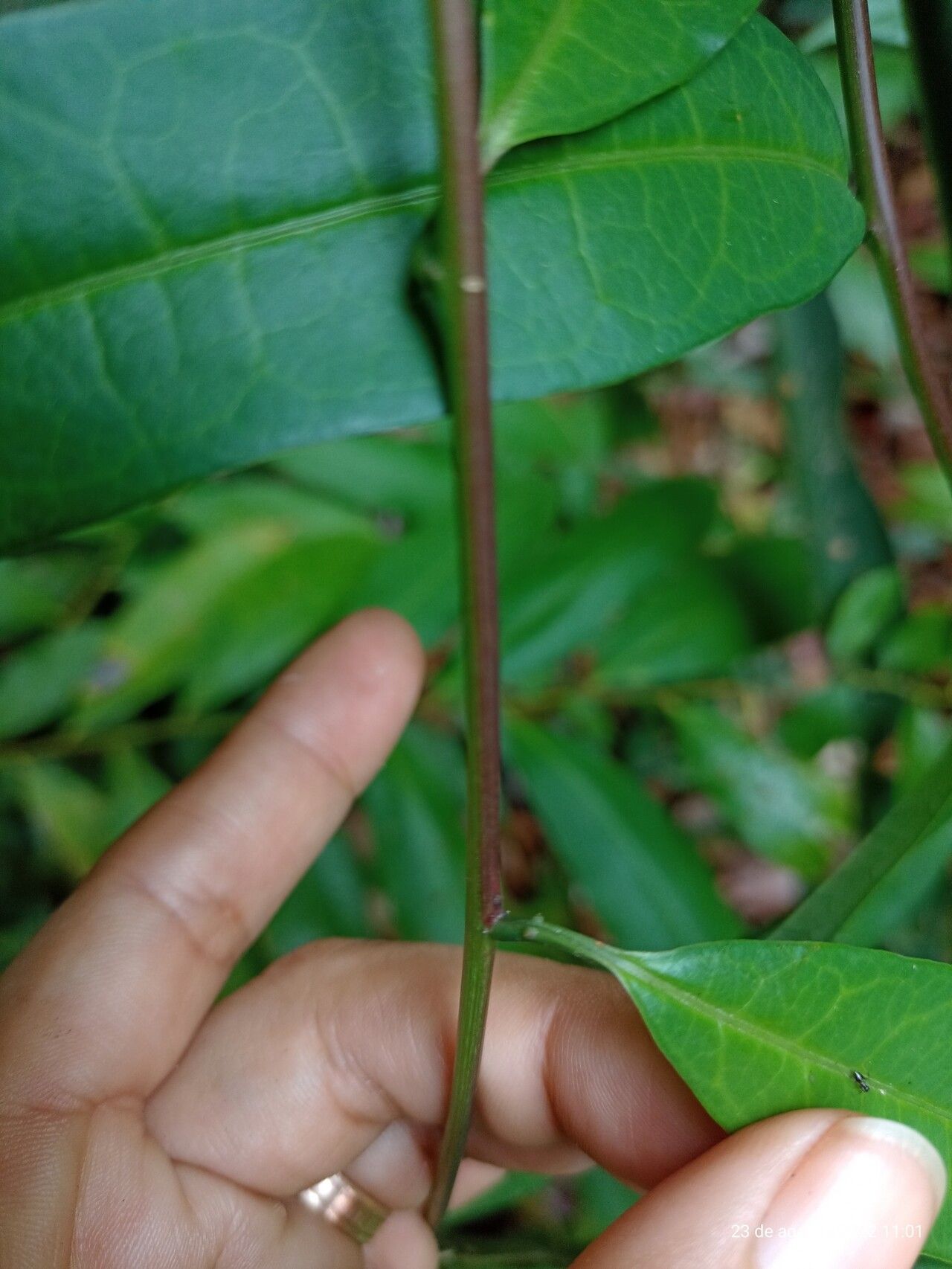
Oh, Passiflora ernestii! If you’ve ever fallen for its intricate, almost otherworldly blooms, you know exactly why I’m so excited to talk about propagating this beauty. It’s a real showstopper, a tangled vine that bursts with floral fireworks. And the best part? You can multiply that joy! I find it incredibly rewarding to nurture a tiny cutting into a full-blown plant, knowing I helped bring another one of these stunning vines into the world.
Now, for a little honesty: Passiflora ernestii isn’t the absolute easiest plant for a complete beginner to propagate, but it’s by no means impossible. With a little care and patience, even a novice can have success.
The Best Time to Start
For Passiflora ernestii, the sweet spot for propagation is definitely during its active growing season. Think late spring through summer. You’re looking for stems that are mature but not woody. These are often called ‘semi-hardwood’ cuttings. The plant is full of energy then, making it more receptive to rooting.
Supplies You’ll Need
Before we dive in, let’s get our toolkit ready. A little preparation goes a long way!
- Sharp Pruning Shears or a Craft Knife: Clean cuts are crucial for preventing disease and encouraging growth.
- Rooting Hormone Powder or Gel: This is like a little boost for your cuttings, helping them develop roots faster.
- Potting Mix: A light, well-draining mix is essential. I like a blend of equal parts seed starting mix and perlite, or you can use cuttings and seed raising mix.
- Small Pots or Trays: Clean pots are a must! About 4-inch pots or propagation trays work well.
- Plastic Bags or a Propagation Dome: This creates a humid microclimate, which is vital for cuttings.
- Water: For misting and, well, watering!
- Labels and a Pen: Don’t forget to label your cuttings – trust me on this one!
- Optional: Bottom Heat Mat: This can significantly speed up rooting by keeping the soil consistently warm.
Propagation Methods
I find that stem cuttings are the most reliable method for Passiflora ernestii. Let’s get our hands dirty!
- Select Your Cutting: Look for a healthy, non-flowering stem that’s about pencil-thick and roughly 4-6 inches long. You want to take cuttings from the current season’s growth.
- Make the Cut: Using your sterilized shears or knife, make a clean cut just below a leaf node (the point where a leaf attaches to the stem). This is where most of the root development happens. Remove the lower leaves, leaving just 1-2 at the top. Trim any larger leaves in half to reduce moisture loss.
- Apply Rooting Hormone: Dip the cut end of the stem into your rooting hormone, tapping off any excess.
- Plant the Cutting: Fill your clean pots with your prepared potting mix. Make a small hole in the center with your finger or a pencil, and insert the cutting. Gently firm the soil around the base to ensure good contact.
- Water Them In: Water thoroughly until you see water draining from the bottom of the pot.
- Create Humidity: Cover the pot with a clear plastic bag (supported by stakes so it doesn’t touch the leaves) or place it under a propagation dome. This keeps the humidity high.
- Location, Location, Location: Place your potted cuttings in a bright spot out of direct sunlight. If you’re using a heat mat, place them on it now.
The “Secret Sauce” (Pro Tips)
Here are a few little tricks I’ve learned over the years that can make a big difference:
- Don’t Be Afraid to Take Multiple Cuttings: Not every cutting will make it, so the more you start, the better your chances.
- Bottom Heat is Your Friend: Seriously, if you can swing it, a gentle bottom heat mat is a game-changer for rooting. It encourages roots to form faster and more consistently.
- “Air Layering” for the Extra Cautious: If you’re feeling a bit nervous about cutting, you can try air layering. Find a healthy stem, make a shallow cut on its underside, wrap that section with moist sphagnum moss, and then cover it all with plastic wrap. Roots will form inside the moss, and then you can cut below that point and plant it.
Aftercare & Troubleshooting
Once your cuttings are planted, the real waiting game begins. Keep the soil consistently moist but not soggy. You should also mist the leaves daily, especially if you don’t have a dome.
Look for signs of rooting in 4-8 weeks. The best indicator is when you see new leaf growth appearing. You can also give the cutting a very gentle tug; if there’s resistance, roots have formed. Once rooted, you can gradually remove the plastic bag to acclimate them to normal humidity.
What if things go wrong? The most common issue is rot. If your cutting turns black and mushy, it’s likely rotted. This is usually due to too much moisture and not enough air circulation. Discard any rotted cuttings immediately to prevent it from spreading. Another sign of trouble is wilting that doesn’t recover – this could mean it’s not getting enough humidity or is simply not rooting.
A Encouraging Closing
Propagating Passiflora ernestii is a journey, and each little cutting is a promise of future beauty. Be patient, enjoy the process, and celebrate each tiny success. Happy gardening!
Resource:
https://identify.plantnet.org/k-world-flora/species/Passiflora%20ernestii%20Harms/data