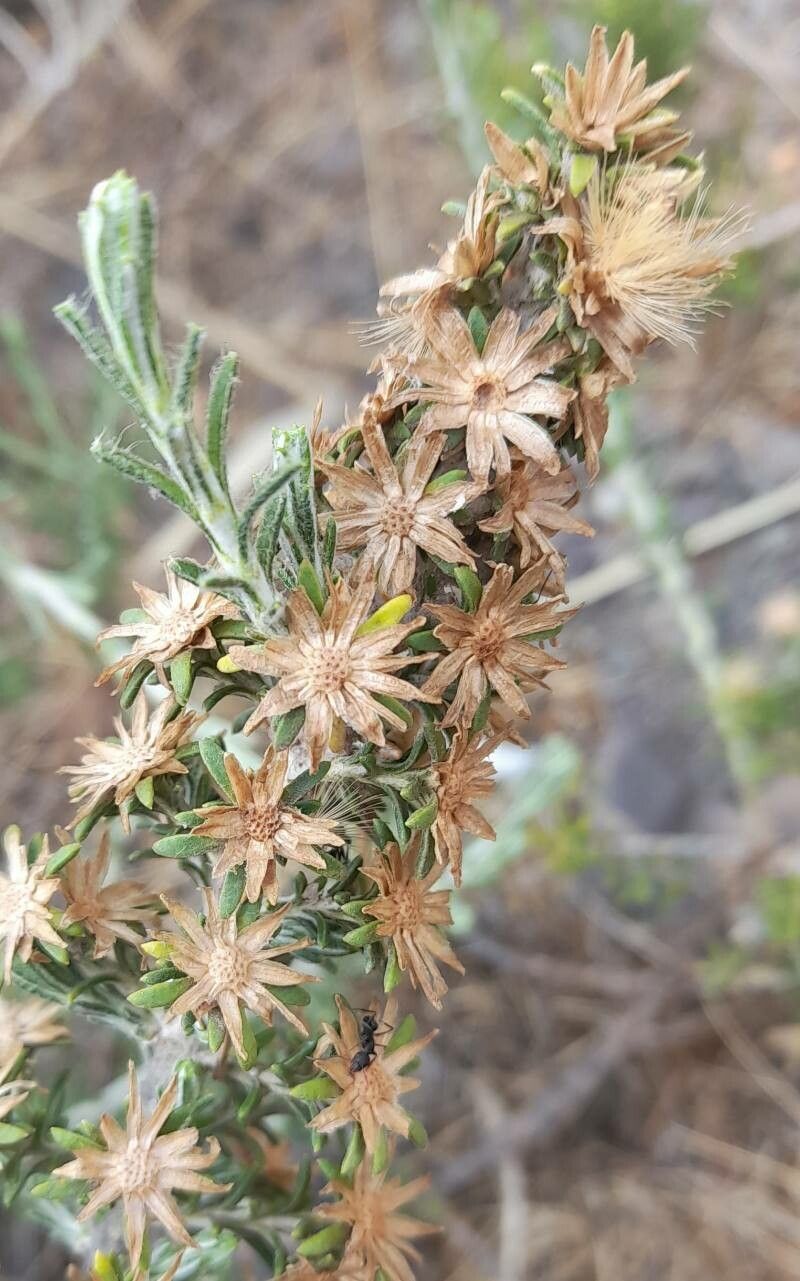
Oh, hello there, fellow plant enthusiast! Today, we’re diving into the wonderful world of Parastrephia lucida, a plant that truly captures the essence of rugged charm. Its silvery, often fuzzy foliage and delicate, daisy-like flowers bring a touch of the Andes right into our homes or gardens. Propagating these beauties is incredibly satisfying; there’s nothing quite like watching a tiny piece of a plant you love grow into a whole new life. Now, I wouldn’t say Parastrephia lucida is the absolute easiest plant for a complete beginner to propagate, but with a little attention and these tips, you’ll do just fine!
The Best Time to Start
For the most success with Parastrephia lucida, I always aim for spring or early summer. This is when the plant is actively growing, full of energy, and shedding its winter sluggishness. New growth is also more vigorous, making it ideal for taking cuttings. Waiting until after the plant has finished its main flowering period can also be a good strategy, as it redirects energy back into vegetative growth.
Supplies You’ll Need
Here’s what you’ll want to have on hand:
- Sharp Pruning Shears or a Craft Knife: For clean cuts that heal well.
- Potting Mix: A well-draining mix is crucial. I like to use a blend of perlite, coarse sand, and a good quality potting soil, often in a 1:1:1 ratio for cuttings.
- Rooting Hormone: While not strictly essential for all plants, it can give your Parastrephia lucida cuttings a helpful boost. Look for a powder or gel.
- Small Pots or Seedling Trays: Clean and with drainage holes.
- Watering Can or Spray Bottle: For gentle watering.
- (Optional) Propagator or Plastic Bag: To create a humid environment.
- (Optional) Heat Mat: To provide gentle bottom warmth.
Propagation Methods
Let’s get our hands dirty with the most common ways to multiply your Parastrephia lucida.
Stem Cuttings
This is my go-to method for Parastrephia lucida.
- Take Your Cuttings: On a bright, not scorching hot, day, select a healthy stem that’s not flowering. You’re looking for pieces that are about 4-6 inches long. Use your clean shears to make a cut just below a leaf node (where a leaf attaches to the stem).
- Prepare the Cuttings: Gently remove the lower leaves from your cutting, leaving just a few at the top. This prevents them from rotting when they’re in soil or water. If the stem is a bit woody, you can make a shallow slit up the bottom of the stem to encourage root development.
- Apply Rooting Hormone: Dip the cut end of the stem into your rooting hormone. Tap off any excess.
- Plant the Cuttings: Fill your small pots with your prepared, moist potting mix. Make a small hole with your finger or a pencil and gently insert the cutting. Firm the soil around the base of the stem.
- Water Gently: Water the soil thoroughly but gently, making sure not to dislodge the cutting.
Water Propagation (with caveats!)
While some plants love water, Parastrephia lucida can be a bit fussy here. If you choose this method, be extra diligent.
- Prepare Cuttings: Follow steps 1 and 2 from the stem cutting method.
- Place in Water: Put your cuttings in a clean jar or vase filled with fresh water. Ensure that no leaves are submerged below the waterline. This is critical!
- Change Water Regularly: Change the water every 2-3 days to keep it fresh and oxygenated.
- Root Development: You should start to see little white roots forming. Once these roots are about an inch long, it’s time to transplant them into soil.
The “Secret Sauce” (Pro Tips)
Here are a few things I’ve learned over the years that really make a difference:
- Air Circulation is Key: When planting cuttings in soil, ensure there’s good airflow around them. If you’re using a plastic bag or propagator, open it up for a few minutes each day to let the air circulate and prevent fungal issues.
- Bottom Heat for the Win: Parastrephia lucida cuttings respond wonderfully to a bit of bottom heat. Placing your pots on a heat mat set to around 70-75°F (21-24°C) can significantly speed up rooting. It’s like giving them a cozy little warm bed!
- Don’t Rush It: Some cuttings might look like they’re not doing anything for weeks. Be patient! Check for roots by gently tugging on the cutting. If you feel resistance, it’s a good sign.
Aftercare & Troubleshooting
Once you see those first stubborn roots pushing out, congratulations!
- Care for Your New Plant: Continue to keep the soil consistently moist but not waterlogged. As your plant grows, you can gradually acclimate it to less humidity and lower temperatures. Treat it like a young seedling, protecting it from harsh sun and strong winds.
- Signs of Trouble: The most common pitfall is rot. If your cutting turns black and mushy, or the leaves start to yellow and drop off rapidly, it’s likely rot. This usually happens due to too much moisture and poor drainage. If you see signs of rot, try to remove the affected part immediately and reassess your watering and soil. If it’s widespread, it’s unfortunately a sign the cutting won’t make it.
So there you have it! Propagating Parastrephia lucida is a rewarding journey. Don’t be discouraged if your first few attempts aren’t perfect. Every gardener has had their share of failures – it’s all part of the learning process. Just keep trying, observe your plants, and enjoy the magic of creation! Happy gardening!
Resource:
https://identify.plantnet.org/k-world-flora/species/Parastrephia%20lucida%20(Meyen)%20Cabrera/data