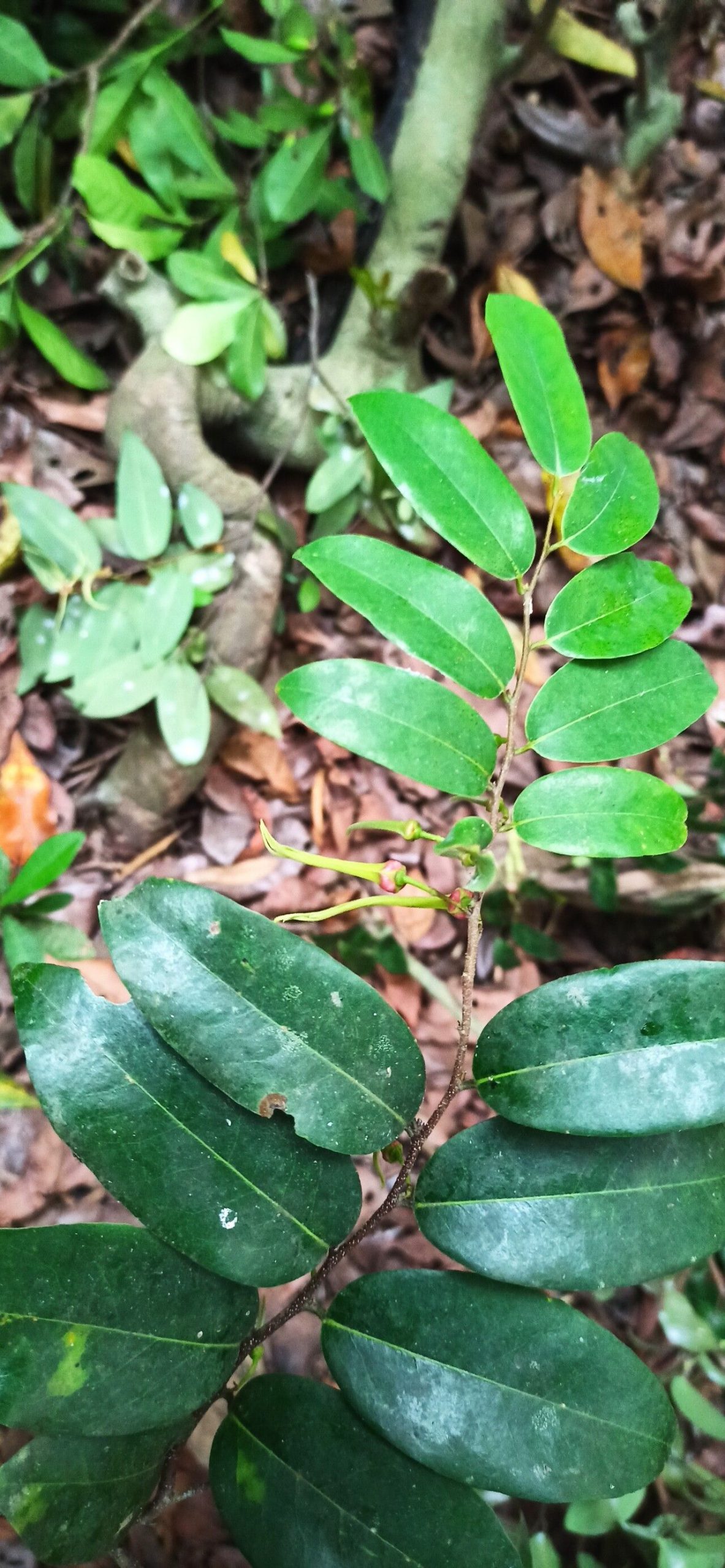
Hello fellow plant enthusiasts! Today, we’re diving into the wonderful world of propagating Xylopia longipetala, often called the Climbing Ylang-Ylang. I’ve been nurturing these beauties for years, and believe me, there’s nothing quite like the satisfaction of watching a tiny cutting transform into a thriving plant. The sweet, intoxicating fragrance of its blooms is truly a gift, and being able to multiply that joy is incredibly rewarding. Now, some might find propagating tricky, but with a little guidance and patience, you’ll find it quite achievable.
When to Get Your Hands Dirty
The sweet spot for propagating Xylopia longipetala, especially from stem cuttings, is usually late spring to early summer. This is when the plant is actively growing, and the new shoots are pliable and full of life. You’re looking for stems that are semi-hardwood – not the brand new, easily snapped green growth, but not the old, woody stems either. Think of it like a firm pencil in texture.
Your Toolkit for Success
Every great propagation starts with the right gear. Here’s what I always have on hand:
- Sharp Pruning Shears or a Hobby Knife: Clean cuts are vital to prevent disease.
- Rooting Hormone: This little helper significantly boosts your chances of success. I prefer a powder form, but liquid works great too.
- Well-Draining Potting Mix: A 50/50 blend of perlite and seed-starting mix is my go-to. It keeps things airy and prevents waterlogging.
- Small Pots or Trays: Clean pots with drainage holes are a must.
- Clear Plastic Bag or Dome: This creates a humid microclimate, which is crucial for developing roots.
- Watering Can with a Fine Rose: Gentle watering is key.
Bringing New Life: Stem Cuttings
This is my favorite method for Xylopia longipetala. It’s generally the most reliable for this species.
- Take Your Cuttings: Using your clean shears, select healthy, semi-hardwood stems. Aim for cuttings that are about 4-6 inches long. Remove any flowers or flower buds – these just drain precious energy.
- Prepare the Cuttings: Gently remove the leaves from the bottom half of the cutting. You want to expose some of the stem nodes, as this is where roots will emerge.
- Dip in Rooting Hormone: Lightly moisten the bottom end of the cutting and dip it into your rooting hormone powder, tapping off any excess.
- Planting: Fill your pots with your prepared potting mix. Make a small hole with your finger or a pencil and insert the cutting. Gently firm the soil around the base to ensure good contact. Water gently.
- Create the Humid Environment: Place a clear plastic bag over the pot, using stakes if needed to keep the plastic from touching the leaves. Alternatively, use a propagator lid.
My “Secret Sauce” for Extra Oomph
Here are a couple of tricks I’ve picked up that really make a difference:
One thing I never do is let the lower leaves of the cutting touch the soil surface. This can lead to rot very quickly. I always trim them back enough so they are well above the soil line. Another little boost? Bottom heat. Placing your pots on a propagation mat (or even a warm windowsill, though direct intense sun isn’t ideal initially) can really encourage roots to form faster. It mimics the warmth they’d find underground.
Nurturing Your Little Sprouts
Once your cuttings are planted, keep the soil consistently moist but not soggy. Think of it like a wrung-out sponge. Check under the plastic bag daily for condensation; this tells you the humidity is good. You’ll also want to air them out for about 15 minutes each day to prevent fungal issues.
Signs of success are when you see new leaf growth emerging from the top. This indicates roots are forming and the plant is establishing itself. When you gently tug on a cutting and feel resistance, that’s another great sign!
Common pitfalls include rot, which usually manifests as blackened, mushy stems. This is often due to overwatering or poor drainage. If you see this, unfortunately, that cutting is likely lost. Another sign of failure is if the cutting simply wilts and dries out. This can happen if the humidity isn’t high enough or if the parent plant wasn’t healthy to begin with.
A Little Patience Goes a Long Way
Propagating plants is a journey, and with Xylopia longipetala, it’s one I encourage you to embrace with a spirit of curiosity. Don’t be discouraged if not every cutting takes. This is nature, after all! Keep experimenting, enjoy the process of watching life emerge from your efforts, and soon you’ll be surrounded by the sweet scent of your own Climbing Ylang-Ylang. Happy gardening!
Resource: