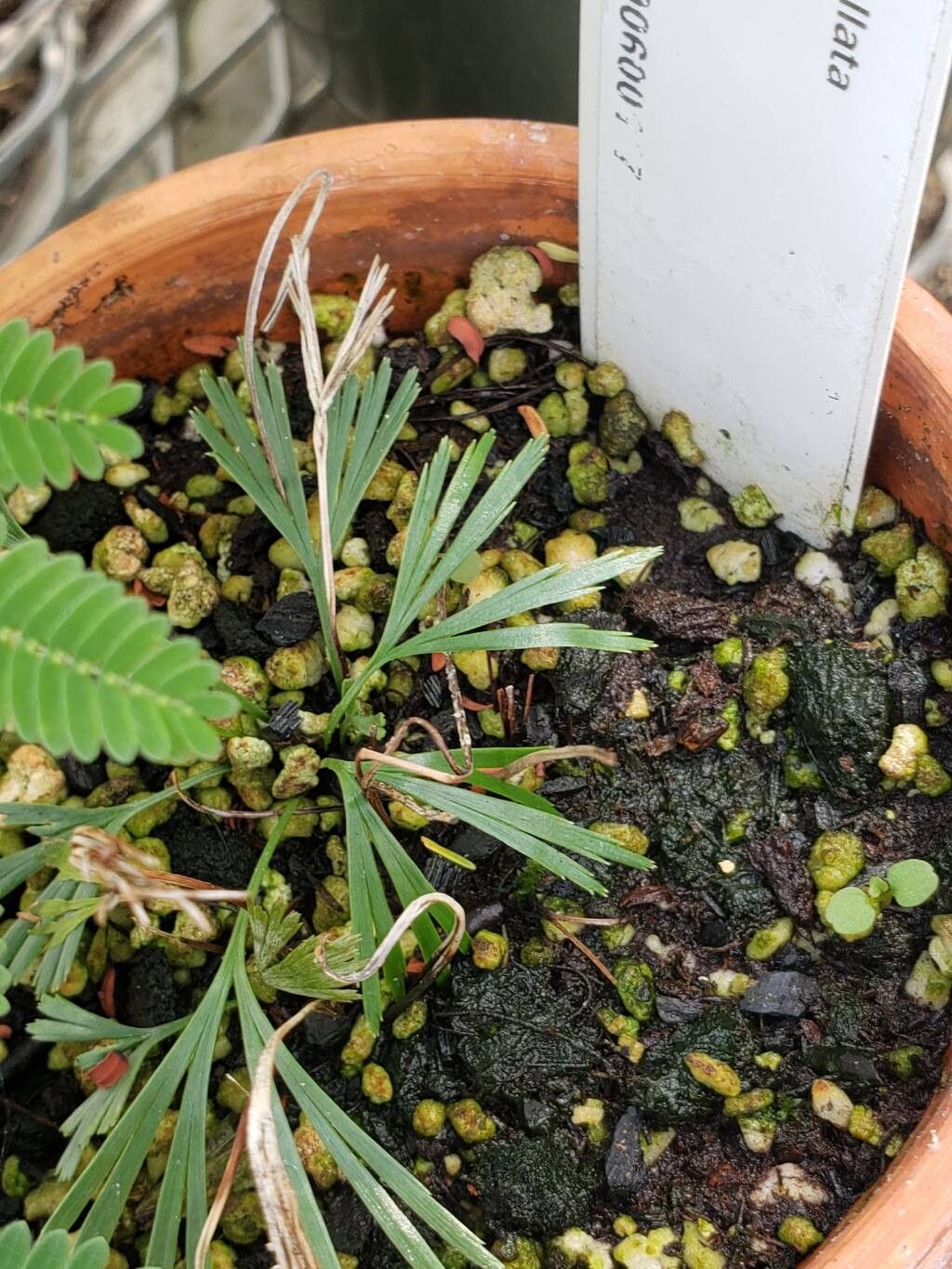
Bringing More Ferny Friends Home: Propagating Actiniopteris semiflabellata
Oh, the joy of seeing a new little fern sprout! If you’re like me, you’ve probably fallen head over heels for the unique, fan-like fronds of Actiniopteris semiflabellata. It has this almost architectural beauty, don’t you think? And the best part? You can easily multiply these leafy treasures for yourself or to share with fellow plant lovers. Now, you might be wondering if it’s a tricky plant to propagate. Honestly, it’s a pretty straightforward process, even for those just starting their green thumb journey.
When Your Fern is Just Ripe for Propagation
The absolute best time to grab some cuttings or think about dividing your Actiniopteris is during its active growing season. For most of us, that means late spring through summer. You’ll want to see lush, new growth on your plant. Trying to propagate when it’s dormant or stressed is like trying to rush a good cup of coffee – it just won’t taste as good, or in this case, work as well!
Your Propagation Toolkit
Gathering your supplies beforehand makes the whole process so much smoother. Here’s what I like to have on hand:
- Sharp, sterilized pruning shears or a clean knife: For taking clean cuts.
- Well-draining potting mix: A mix formulated for ferns or a blend of peat moss, perlite, and a little bit of compost works wonders. I often use a 50/50 mix of coco coir and perlite.
- Small pots or propagation trays: With drainage holes, of course!
- Rooting hormone (optional but helpful): A quick dip can encourage faster root development.
- Plastic bags or a propagation dome: To create a humid microclimate.
- Water: For the water propagation method.
- A sturdy plant to take cuttings from!
Let’s Get Propagating: Your Step-by-Step Guide
Actiniopteris semiflabellata is a good candidate for a couple of popular propagation methods. My preferred approach is often division, but taking stem cuttings can also be very rewarding.
Method 1: Dividing Your Fern
This is my go-to because it’s quite gentle and you get a potentially larger plant right away.
- Gently remove your fern from its pot.
- Carefully shake off some of the excess soil to expose the roots and rhizomes.
- Look for natural divisions – places where the plant seems to be splitting into multiple sections with their own roots and fronds.
- Using your fingers or a clean, sharp knife, gently separate the sections. Make sure each new piece has a healthy root system.
- Pot each new division into its own small pot filled with your well-draining potting mix.
- Water thoroughly and place in a bright spot with indirect light.
Method 2: Stem Cuttings (More of a “Frond Cutting” Here!)
While technically these are more like frond cuttings, the principle is similar to stem cuttings for other plants.
- Using your sterilized shears, select a healthy, mature frond that is not flowering or fruiting (ferns don’t flower, but they have reproductive parts called sori). Look for a frond that has a good portion of its stalk (stipe) attached.
- Make a clean cut close to the base of the frond.
- Optional: Dip the cut end into rooting hormone.
- You can now choose to propagate this cutting in one of two ways:
- In Soil: Plant the cut end about an inch deep into your prepared potting mix. Gently water and cover the pot with a plastic bag or propagation dome to maintain high humidity.
- In Water: Place the cut end of the frond into a glass or jar of clean water. Ensure that no leaves are submerged in the water. Change the water every few days to keep it fresh.
The “Secret Sauce” from My Greenhouse
Here are a few little tricks I’ve picked up over the years that make a big difference:
- Don’t Overcrowd Your Cuttings: Whether you’re dividing or using frond cuttings, give each new plant a little breathing room. This helps prevent fungal issues and ensures they have access to light and air.
- The Power of Bottom Heat: If you’re propagating in soil, placing your pots on a heat mat designed for plant propagation can significantly speed up root development. That gentle warmth mimics ideal growing conditions.
- Patience is Key with Ferns: Ferns can be slow growers, especially when they’re just starting out. Don’t be discouraged if you don’t see immediate results. Keep them consistently moist (but not waterlogged) and in the right light.
Aftercare and What to Watch For
Once you see signs of new growth – tiny fronds unfurling or the established frond looking perky – you know roots are forming!
- For division: Continue to water as needed, allowing the top inch of soil to dry out slightly between waterings. Gradually introduce them to more light if they were kept in lower light conditions initially.
- For water cuttings: Once you see a good root system forming (about an inch or two long), it’s time to pot them up into well-draining soil. Treat them like a very small, delicate plant.
- For soil cuttings: When roots have formed and you see new growth, you can gradually remove the plastic bag or dome, allowing the plant to acclimate to the ambient humidity.
The most common problem you might encounter is rot. This usually happens when the plant is kept too wet. If you see a frond turning yellow and mushy, or if there’s a foul smell, it’s likely rot. You might be able to save it by cutting away affected parts and repotting in fresh, dry soil, but often, it’s a sign it’s too far gone. Good drainage and monitoring moisture levels are your best defense.
Keep Growing and Enjoy the Journey!
Propagating Actiniopteris semiflabellata is a wonderful way to expand your fern family and share the joy of gardening. Be patient, observe your new plants closely, and don’t be afraid to experiment. Each little success will bring so much satisfaction. Happy propagating!
Resource:
https://identify.plantnet.org/k-world-flora/species/Actiniopteris%20semiflabellata%20Pic.Serm./data