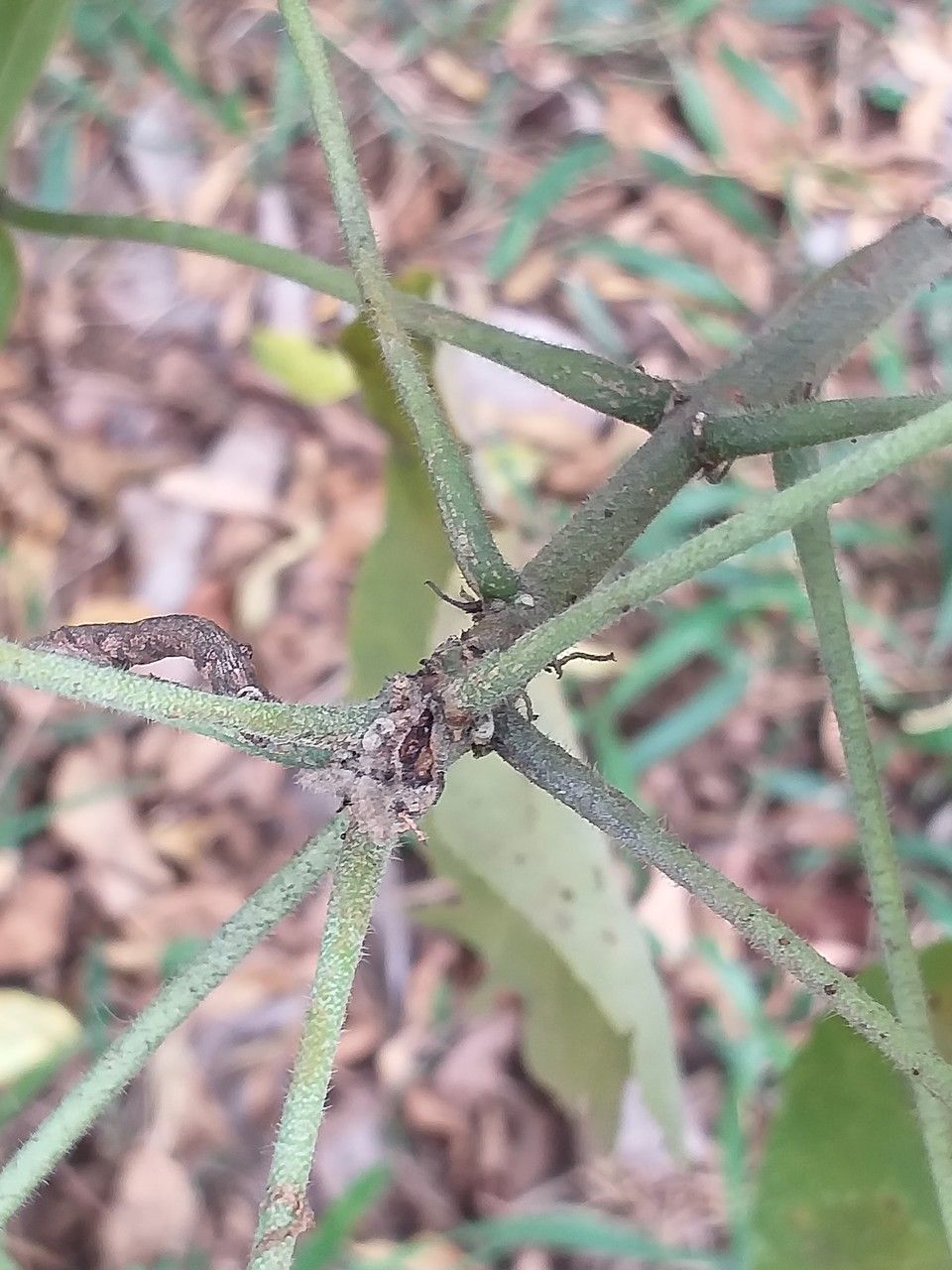
Hello there, fellow garden enthusiasts! It’s so wonderful to have you join me today. We’re going to dive into the delightful world of propagating Abutilon longicuspe, often called the Flowering Maple.
Why Grow and Propagate Flowering Maple?
There’s something so cheerful about Abutilon longicuspe. Its delicate, bell-shaped flowers, often in shades of pink, orange, or red, dangle prettily, like tiny lanterns swaying in the breeze. They bring such a vibrant, tropical feel to any garden or conservatory. Plus, they tend to bloom for a good long while, offering continuous joy. Propagating them yourself is incredibly rewarding. You get to watch life burst forth from a simple cutting, and honestly, it’s a fantastic way to share the beauty of these plants with friends and family.
Now, for the burning question: Is it easy? I’d say Abutilon is generally moderately easy to propagate. For absolute beginners, it might present a few learning curves, but with a little patience and these tips, you’ll be a pro in no time!
The Best Time to Start Your Propagation Journey
The sweet spot for taking cuttings from your Abutilon longicuspe is usually during its active growing season. Think late spring through summer. This is when the plant is full of vigor and has plenty of healthy, non-woody stems to work with. Young, pliable growth tends to root more readily than old, woody material.
Your Propagation Toolkit
Gathering your supplies beforehand makes the whole process smoother. Here’s what you’ll want to have on hand:
- Sharp Pruning Shears or a Clean Knife: For making clean cuts that heal well.
- Rooting Hormone Powder or Gel: This isn’t strictly essential for Abutilon, but it can significantly speed up rooting and improve success rates.
- A Good Potting Mix: I like a light, airy blend. A 50/50 mix of peat moss or coco coir and perlite or coarse sand works wonderfully. You want excellent drainage.
- Small Pots or Seedling Trays: Clean containers are key to preventing disease.
- A Clear Plastic Bag or Dome: To create a humid environment for your cuttings.
- Watering Can with a Fine Rose: For gentle watering.
- Labels and a Pen: To keep track of what you’ve planted.
Let’s Get Propagating: Stem Cuttings
This is my go-to method for Abutilon, and I find it consistently successful. Here’s how we’ll do it:
- Select Your Cuttings: Look for healthy, upright stems that are semi-hardwood. This means they’re not brand new, bright green growth, but also not completely woody and stiff. They should be about 4-6 inches long. Pinch off any flowers or flower buds; they’ll just sap energy from rooting.
- Make the Cut: Using your clean shears, make a clean cut just below a leaf node. A leaf node is where a leaf joins the stem. This is where the magic for root development happens.
- Prepare the Cutting: Gently strip off the lower leaves, leaving just a few at the very top. This prevents them from rotting when buried in the soil.
- Apply Rooting Hormone: If you’re using it, dip the cut end into the rooting hormone. Tap off any excess.
- Pot Them Up: Fill your clean pots with your prepared, moistened potting mix. Make a small hole with your finger or a pencil. Insert the cutting, pushing it in deep enough so that at least one leaf node is below the soil surface. Gently firm the soil around the stem.
- Create Humidity: Water the soil gently. Then, cover the pot with a clear plastic bag or place it under a dome. This creates a mini-greenhouse, keeping humidity high, which is crucial for cuttings that can’t yet absorb water through roots. Prop the bag up with stakes so it doesn’t touch the leaves.
- Find a Cozy Spot: Place your pots in a warm location with bright, indirect light. Avoid direct sun, as it can scorch the delicate cuttings.
The “Secret Sauce” Straight from My Garden
Over the years, I’ve learned a few tricks that really give propagation a boost. Here are my top secrets for Abutilon:
- The Bottom Heat Trick: If you can, place your pots on a gentle heat mat. This is especially helpful in cooler environments. Bottom heat encourages root development from below, giving those little roots a warm welcome.
- Don’t Drown Them, But Keep Them Moist: While you want humidity, you don’t want waterlogged soil. Check the moisture regularly. When the top inch of soil feels dry, water gently. You want the soil to be consistently moist, not soggy. Overwatering is a fast track to rot!
- The Air Circulation Whisper: Once you see signs of rooting (new leaf growth is a great indicator!), gradually start airing out your cuttings. Remove the plastic bag for a few hours each day. This helps them acclimate to normal conditions and prevents fungal issues.
Aftercare and What to Watch For
Patience is key! It can take anywhere from 3 to 6 weeks, sometimes longer, for Abutilon cuttings to develop a good root system.
- Checking for Roots: Gently tug on a cutting. If you feel resistance, it means roots have formed. You can also carefully tip the pot to inspect the root ball, but try not to disturb it too much.
- Transplanting: Once your cuttings have a decent root system, they’re ready to be moved into their own small pots. Continue to care for them with bright, indirect light and consistent moisture.
- Troubleshooting – The Rot Factor: The most common sign of failure is rotting. If your cutting turns black and mushy, or develops brown spots and wilting that doesn’t improve with watering, it’s likely rotted. This usually happens due to too much moisture and poor air circulation. Clean your pots and tools thoroughly if you encounter this.
Happy Gardening, Roots and All!
Watching a new plant emerge from what was just a piece of a parent plant is one of life’s simple, profound joys. Don’t be discouraged if your first few attempts aren’t perfect. Treat it as a learning experience, enjoy the process, and celebrate every bit of new growth. Happy propagating, and may your Abutilon bloom beautifully for years to come!
Resource: