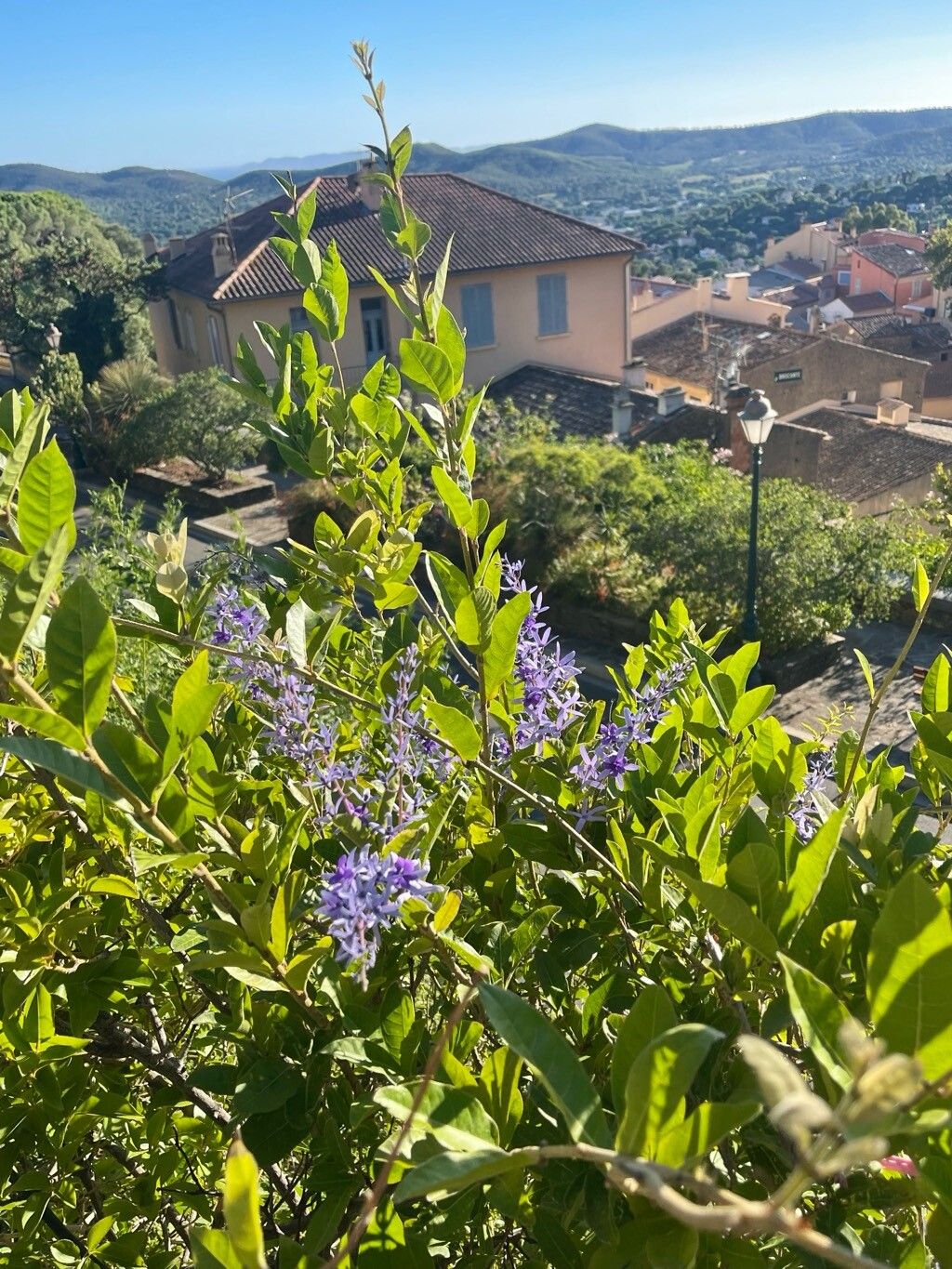
Well hello there, fellow plant enthusiasts! If you’re anything like me, you’ve probably fallen head over heels for the cascading beauty of Petrea volubilis. Those gorgeous, lavender-blue flower spikes, especially when they seem to drip from a vine… simply breathtaking! And the best part? You can bring that magic into your own garden by propagating your own! It’s such a rewarding feeling to watch a tiny cutting transform into a thriving plant that you nurtured yourself. Now, I won’t lie, Petrea volubilis can be a little bit on the finicky side when starting from scratch, but with a bit of know-how and patience, it’s definitely achievable. Don’t let that deter you one bit!
The Best Time to Start
For the highest chance of success with your Petrea volubilis propagation, I always recommend starting in the late spring or early summer. This is when the plant is actively growing, and those softwood or semi-hardwood cuttings are full of life and ready to root. You’ll want to select stems that are flexible but not brand new and flimsy. Think of stems that have started to mature a bit.
Supplies You’ll Need
Gathering your tools beforehand makes the whole process so much smoother. Here’s what I like to have on hand:
- Sharp Pruning Shears or a Craft Knife: For clean cuts that heal well.
- Rooting Hormone (Powder or Gel): This is super helpful for encouraging root development. I prefer a powder, but gel works great too. Look for one specifically for softwood cuttings.
- Well-Draining Potting Mix: A 50/50 mix of perlite and peat moss or coco coir is my go-to. You can also use a commercial seed-starting mix.
- Small Pots or Seedling Trays: About 4-6 inch pots are perfect for cuttings. Make sure they have drainage holes!
- Plastic Bag or Cloche: To create a humid environment around your cuttings.
- Water: For misting and watering.
- Optional: Heat Mat: This can significantly speed up the rooting process.
Propagation Methods: Stem Cuttings
This is, by far, the most common and effective way to propagate Petrea volubilis. Here’s how I do it:
- Select Your Cuttings: Look for healthy, non-flowering stems that are about 6-8 inches long. Using your sharp shears or knife, make a clean cut just below a leaf node (where a leaf attaches to the stem). This is where the magic happens for root formation.
- Prepare the Cuttings: Gently remove the lower leaves from the bottom half of the stem. You want to expose those nodes. Leave just a couple of leaves at the top to help with photosynthesis. If the remaining leaves are very large, you can even snip them in half to reduce water loss.
- Apply Rooting Hormone: Dip the cut end of the stem into your rooting hormone, ensuring the raw tissue is covered. Tap off any excess.
- Plant Your Cuttings: Fill your pots with your prepared potting mix. Make a small hole with your finger or a pencil and insert the cutting, ensuring the nodes are buried. Gently firm the soil around the base of the cutting.
- Create Humidity: Water the soil thoroughly until it drains from the bottom. Then, place a clear plastic bag over the pot, securing it around the rim with a rubber band, or use a clear plastic dome (cloche). This traps moisture and creates a mini greenhouse.
- Provide Light and Warmth: Place the pots in a bright location out of direct sunlight. A spot on a windowsill that gets indirect light is ideal. If you have a heat mat, place the pots on it.
The “Secret Sauce” (Pro Tips)
Over the years, I’ve learned a few little tricks that can make a big difference:
- The “No Leaf in Water” Rule: If you ever try water propagation for other plants, a common mistake is letting the leaves touch the water. For stem cuttings in soil, this principle still applies in a way. Ensure no leaves are buried in the soil. They’ll just rot and can take your cutting down with them.
- Bottom Heat is Your Friend: Seriously, if you can spare a heat mat, do it! It mimics the warmth of spring soil and encourages roots to form much faster and more reliably. You’ll see results sooner!
- Don’t Overwater, But Don’t Let Them Dry Out: This is a fine balance. The soil should always be slightly moist, like a wrung-out sponge. Check it by gently poking your finger in. If it feels dry, give it a gentle watering. Overwatering is the quickest way to invite rot.
Aftercare & Troubleshooting
Once you see new leaf growth emerging from your cuttings, that’s a fantastic sign that roots have formed! I usually give it another week or two to really get established before I consider transplanting.
- Gradual Acclimation: Slowly remove the plastic bag or cloche over a few days. You don’t want to shock your newly rooted plants with a sudden change in humidity.
- Transplanting: When they have a decent root system (you might see roots peeking out of the drainage holes), you can carefully transplant them into larger pots with your regular potting mix.
- Watch for Rot: The most common problem you’ll encounter is rot. If your cutting turns mushy, black, or just wilts dramatically and doesn’t perk up, it’s likely rotted. This is usually due to too much moisture, poor drainage, or lack of airflow. Try to ensure your potting mix is airy and adjust your watering schedule. If you see any signs of rot, it’s best to discard the affected cutting to prevent it from spreading.
A Little Patience Goes a Long Way
Seeing those tiny green shoots emerge is such a thrill, isn’t it? Remember that nature works on its own timeline. Some cuttings will root quickly, while others might take a bit longer. Don’t get discouraged if not every single one succeeds. Just keep trying, enjoy the process of nurturing new life, and soon you’ll have your very own Petrea volubilis to admire and share. Happy propagating!
Resource:
https://identify.plantnet.org/k-world-flora/species/Petrea%20volubilis%20L./data