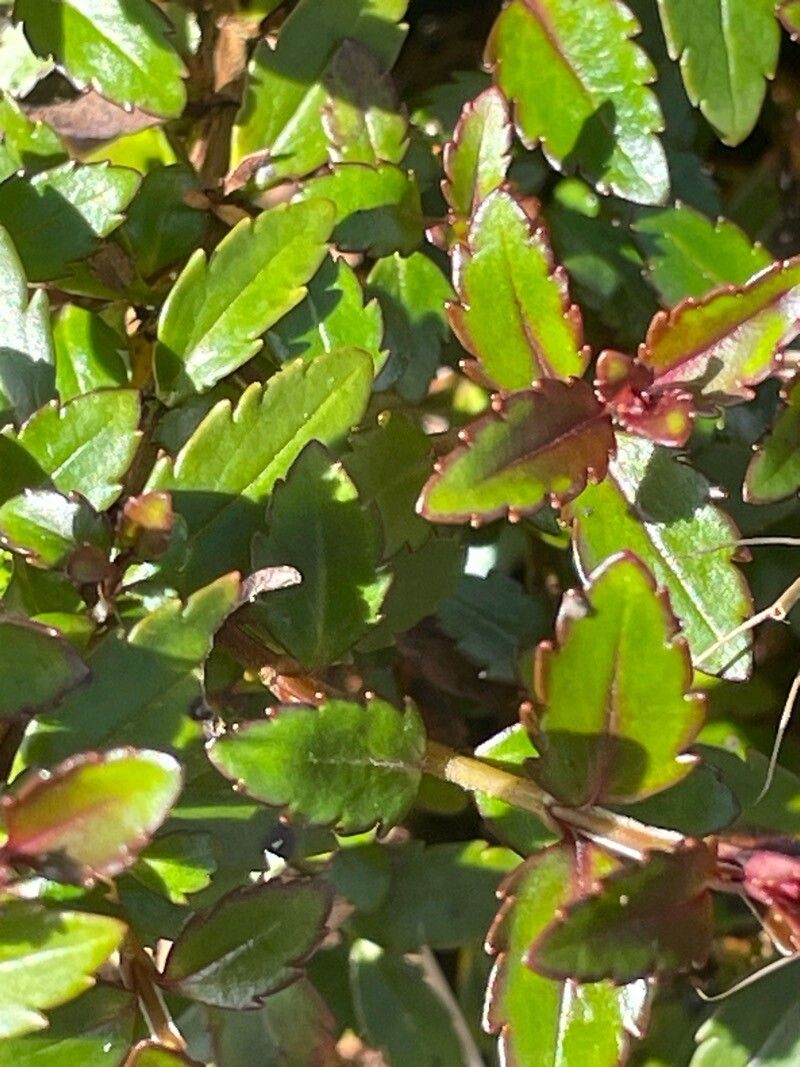
Hello there, fellow garden enthusiasts! I’m so happy you’ve stopped by. Today, we’re going to chat about a gem in the perennial world: Veronica catarractae, often called Rock Speedwell or Cascade Speedwell. Its dainty, starry blooms cascading over garden walls or spilling from containers are just delightful. And guess what? Propagating these beauties is a truly rewarding endeavor, and I’m thrilled to share how I do it.
The Charm of Veronica catarractae
I’ve loved Veronica catarractae for years. Its arching stems are covered in delicate, often blue or white flowers, creating a lovely, informal feel. It’s fantastic for rock gardens, hanging baskets, or even as a low-growing groundcover. If you’re a beginner looking to dip your toes into propagation, I’d say this one is a pretty beginner-friendly plant. With a little care, you’ll be rewarded with plenty of new plants to share or expand your own garden.
The Best Time to Start
For the highest success rate, I always recommend working with softwood cuttings taken in late spring or early summer, right after the plant has finished its initial flush of blooms. The new growth at this time is flexible and energetic, making it prime for rooting. You can also try semi-hardwood cuttings in mid-summer, which are slightly more mature. Avoid taking cuttings from flowering stems, as the plant uses its energy to produce flowers, not roots.
Supplies You’ll Need
Before we get our hands dirty, let’s gather our tools:
- Sharp, sterile pruning shears or a craft knife: For clean cuts.
- Rooting hormone powder or gel: This is optional, but it can give you a real boost.
- A well-draining potting mix: I prefer a blend of equal parts peat moss or coco coir, perlite, and coarse sand. You can also buy specialized cutting mixes.
- Small pots or seedling trays: With drainage holes, of course!
- A plastic bag or propagation dome: To create a humid environment.
- Labels: To remember what you’ve planted and when.
- A spray bottle: For misting.
Propagation Methods
There are a couple of ways to multiply your Veronica catarractae, and I find the stem cutting method to be the most reliable.
Stem Cuttings
- Take your cuttings: Using your sharp shears or knife, take a cutting about 4-6 inches long from healthy, non-flowering new growth. Make the cut just below a leaf node (where the leaf attaches to the stem).
- Prepare the cuttings: Gently remove the lower leaves, leaving only the top two or three sets of leaves. This prevents them from rotting in the soil. If your cuttings are very long, you can even cut the remaining leaves in half, as this reduces water loss through transpiration.
- Apply rooting hormone: Dip the cut end of each stem into your rooting hormone. Tap off any excess.
- Plant the cuttings: Make small holes in your prepared potting mix in your pots or trays. Insert the cuttings into the holes, ensuring the leaf nodes are below the soil surface. Gently firm the soil around the base of each cutting.
- Water and cover: Water thoroughly until water drains from the bottom of the pots. Then, cover the pots with a plastic bag or place them under a propagation dome to maintain high humidity.
Water Propagation (Less common for Veronica, but possible for trailing types)
This method is less reliable for Veronica catarractae compared to cuttings in soil, but for some trailing varieties, it can work.
- Select a healthy stem: Choose a non-flowering stem tip, about 4-6 inches long. Ensure there are several leaf nodes.
- Remove lower leaves: Just like with soil cuttings, remove all leaves that would be submerged in water.
- Place in water: Put the cuttings in a small jar or glass of clean water. Ensure no leaves are touching the water.
- Change water regularly: Change the water every few days to keep it fresh and prevent bacterial growth.
- Wait for roots: Roots should start to appear in a few weeks. Once they are about an inch long, gently transplant them into a well-draining potting mix.
The “Secret Sauce” (Pro Tips)
Now, for a couple of my trusty tricks that have really upped my propagation game:
- Bottom Heat is Your Friend: Veronica catarractae really appreciates a little warmth from below. If you have a heat mat designed for seedlings, place your pots on it. This encourages root development much faster than ambient room temperature alone. If you don’t have a heat mat, placing the pots in a warm spot like on top of a refrigerator or near a gentle heater can also help.
- Don’t Overwater, But Keep it Moist: It’s a fine line! You want the potting mix to stay consistently moist, but not soggy. Overwatering is the quickest way to invite rot. I often give my cuttings a gentle misting once a day and check the soil by touching it. If the top half-inch feels dry, it’s time to water. Also, lift the plastic bag daily for a few minutes to allow for air circulation and prevent fungal issues.
Aftercare & Troubleshooting
Once you start seeing new leaf growth on your cuttings – a fantastic sign! – it means roots are forming.
- Gradual Acclimatization: As roots develop, you’ll need to gradually acclimatize your new plants to lower humidity. Start by opening the plastic bag or propagation dome for longer periods each day, extending it over a week or two. Once they are strong enough, remove the cover completely.
- Transplanting: When the new plants have a good root system (you might see roots peeking from the drainage holes), it’s time to transplant them into their own small pots with a good potting mix.
- Common Issues: The most frequent problem you’ll encounter is rot. This usually happens from overwatering or poor air circulation. If you see a cutting turning black or mushy, it’s best to discard it to prevent it from spreading. If the leaves start to yellow, it could be a sign of too much direct sun, or that they need to be watered.
Enjoy the Process!
Propagating plants is a journey, and each success brings such a wonderful sense of accomplishment. Don’t be discouraged if not every cutting takes. Be patient, observe your plants, and learn from each experience. Soon you’ll have a beautiful collection of Veronica catarractae to enjoy. Happy gardening!
Resource:
https://identify.plantnet.org/k-world-flora/species/Veronica%20catarractae%20G.Forst./data