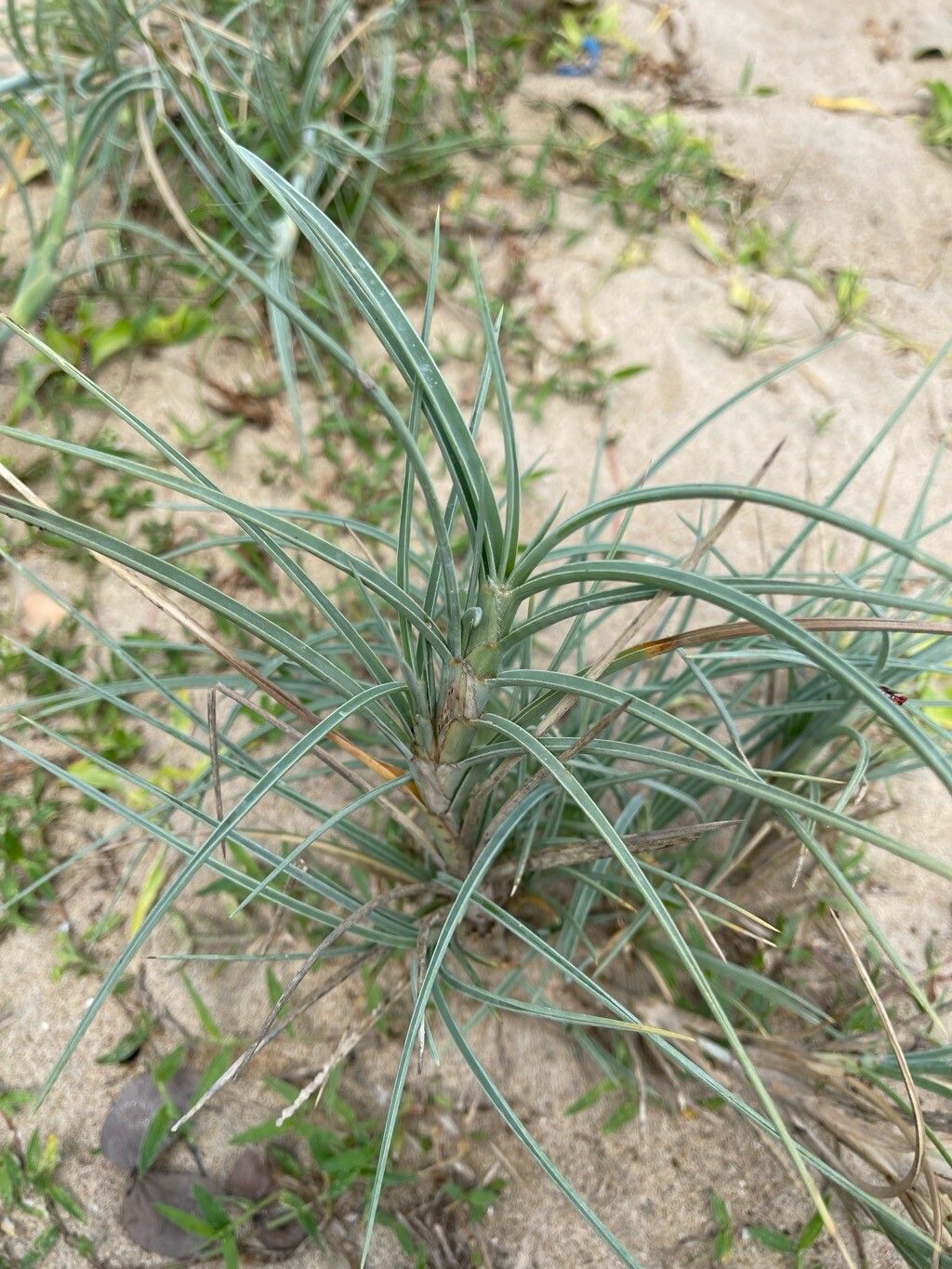
Oh, hello there, fellow plant lover! Come on in, pull up a chair. I’ve got a fresh pot of coffee brewing, and I’m just itching to chat about something truly special today: Spinifex littoreus. You know, that beautiful, hardy grass that just screams coastal charm? If you’ve ever admired its silvery-green blades dancing in the breeze, you’re not alone. Propagating it is such a rewarding little project, and I’m here to walk you through it, step by step. Don’t worry, it’s not nearly as intimidating as it might sound!
The Best Time to Start
For Spinifex littoreus, spring and early summer are your golden ticket. This is when the plant is really gearing up for active growth. You’ll find it’s more vigorous, and the cuttings are much more eager to root when the weather is warm and sunny. Aim for when the plant is actively producing new shoots, not when it’s stressed by extreme heat or cold.
Supplies You’ll Need
Gathering your supplies upfront makes the whole process smoother. Here’s what you’ll want to have on hand:
- Sharp, clean pruning shears or a sharp knife: For making clean cuts.
- A well-draining potting mix: I like to use a blend of equal parts potting soil, perlite, and coarse sand. This is crucial for preventing rot.
- Small pots or propagation trays: About 4-6 inches deep is usually sufficient.
- Rooting hormone (optional but helpful): A powdered or gel form can give cuttings a nice boost.
- A watering can or spray bottle: For gentle watering.
- Clear plastic bags or a propagator lid: To create a humid environment.
Propagation Methods
Spinifex littoreus is quite amenable to propagation by stem cuttings, which is my go-to method for this beauty.
- Taking the Cuttings: Look for healthy, vigorous stems that are not flowering. You want stems that are somewhat firm but still flexible – not too soft and not woody. Using your clean shears or knife, take cuttings that are about 4-6 inches long. Make the cut just below a node (where a leaf attaches to the stem).
- Preparing the Cuttings: Gently remove the lower leaves from the bottom half of each cutting. This exposes the nodes where roots will form and prevents leaves from rotting in the soil or water.
- Applying Rooting Hormone (Optional): If you’re using rooting hormone, dip the cut end of each stem into the powder or gel. Tap off any excess.
- Planting the Cuttings: Fill your pots or trays with your well-draining mix. Make small holes in the soil with a pencil or your finger. Insert the cut ends of your cuttings into these holes, ensuring that at least two nodes are buried. Gently firm the soil around them.
- Watering: Water the soil thoroughly but gently. You want it to be moist, not waterlogged. A good watering from the bottom can help settle the soil.
The “Secret Sauce” (Pro Tips)
Here are a few little tricks I’ve picked up over the years that really make a difference with Spinifex:
- Don’t Crowd Them: Give your cuttings a bit of personal space. Overcrowding can lead to fungal diseases and reduce airflow, which they really need.
- Bottom Heat is Your Friend: If you have a heated propagator mat, now’s the time to use it! Gentle warmth from below encourages root development significantly. It’s like a cozy little greenhouse for your cuttings.
- Mist Freely (But Wisely): After planting, cover the pots with a clear plastic bag or propagator lid to maintain high humidity. Open the bag or lid for a few minutes each day to allow for air exchange – this is crucial to prevent mold. If you don’t have a bag, mist the cuttings lightly with water once or twice a day.
Aftercare & Troubleshooting
Once your cuttings have been in their warm, humid environment for a few weeks, you’ll start to see signs of life. The best indicator of success is new leaf growth. You might also gently tug on a cutting. If it offers resistance, roots have likely formed!
Once you see these signs, it’s time for a little adjustment. Gradually begin to acclimate your new plants to normal humidity levels by opening the cover for longer periods each day over a week. Continue to water when the top inch of soil feels dry.
The most common culprit for failed cuttings is rot. If you notice mushy, dark stems or leaves or a foul smell, it’s likely rot. This usually happens from overwatering or insufficient airflow. Unfortunately, rotted cuttings are usually a lost cause, so it’s best to discard them and start again, paying close attention to drainage and ventilation.
A Little Patience Goes a Long Way
Propagating can be a bit of a waiting game, but that’s part of its charm, isn’t it? Watching those tiny roots develop and eventually see your new Spinifex plant take hold is incredibly satisfying. Be patient with your little green friends, enjoy the process, and soon you’ll have a whole host of these beauties to admire. Happy gardening!
Resource:
https://identify.plantnet.org/k-world-flora/species/Spinifex%20littoreus%20(Burm.f.)%20Merr./data