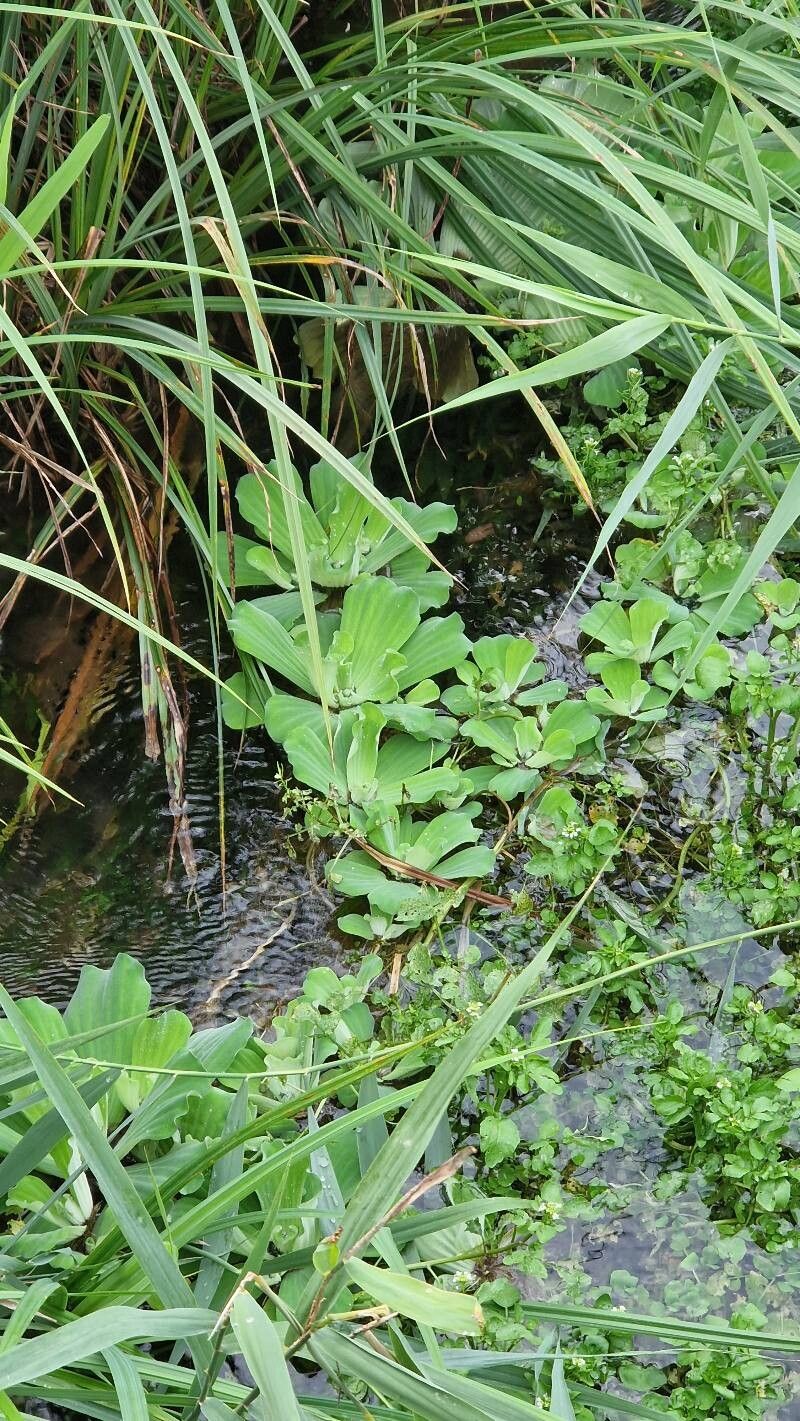
Hey there, fellow plant lovers! If you’ve ever admired the graceful, floating rosettes of water lettuce, or Pistia stratiotes, you’re not alone. This delightful aquatic plant is like little jade-green jewels on the water’s surface, creating a serene and beautiful addition to any pond or water feature. And guess what? Propagating it is surprisingly simple and incredibly rewarding. You’ll be sharing these beauties with friends in no time!
Why Propagate Water Lettuce?
It’s a joy to see your water garden flourish, and with water lettuce, it’s like watching a miniature, nature-powered express train! They multiply wonderfully, and being able to create new plants from your existing ones is a fantastic way to fill out your pond, create more shade for your fish (they love it!), or just get them into new homes. For beginners? Absolutely, this is a plant you can grow with confidence.
The Best Time to Start
The sweet spot for propagating water lettuce is during their active growing season. Think late spring through summer. When the days are longer and the water temperatures are warm, they’re just bursting with life and eager to send out new runners. You’ll notice they’re putting out lots of new growth and offspring during this time.
Supplies You’ll Need
You won’t need much to get started:
- A healthy, established Pistia stratiotes plant.
- A clean container for your new propagated plants (a small bowl, a bucket, or even just another section of your pond).
- Clean scissors or pruning shears (if you need to detach runners).
- (Optional) A small net or strainer to help move baby plants.
Propagation Methods
Water lettuce is a master of creating its own little ones, and the easiest way to propagate is through its natural offspring.
- Runners and Offspring: This is the most common and simplest method. You’ll notice that your mature water lettuce plant will send out long, thin stems – these are called runners. At the end of these runners, you’ll see tiny baby water lettuce plants starting to form.
- Separating the Babies: Once these baby plants have developed a few small leaves and, importantly, a few tiny roots hanging down, you can gently detach them from the mother plant. You can often do this by hand. If the runner is a bit stubborn or you’re cutting it to tidy up, use your clean scissors to snip the runner clean.
- Floating Them Off: Simply place the detached baby plants into your new container or another part of your pond. They’ll float on their own and continue to grow. If you’re moving them to a separate container, make sure the water level is high enough for them to fully float.
The “Secret Sauce” (Pro Tips)
Here are a couple of things I’ve learned over the years that really make a difference:
- Don’t Overcrowd: While they multiply quickly, give your babies a little breathing room. If they’re too crammed together, growth can slow down. Think of it like a healthy plant in a pot – they need space to stretch their roots.
- Watch the Water Level: If you’re growing them in a separate container, ensure the leaves never sit in stagnant water. Water lettuce is a float-er, not a soaker for its foliage. This helps prevent rot. Make sure the water is clean and fresh, especially for the young ones.
Aftercare & Troubleshooting
Once your little water lettuce babies are floating happily, just let them be! They are low-maintenance stars. Keep an eye on the water quality in their new home.
If you notice any of your propagated plants looking yellow, limp, or turning mushy, it could be a sign of root rot. This usually happens if the plant is sitting in too much stagnant water or if the water is too cold. Remove any affected plants immediately to prevent it from spreading. Sometimes, a bit of fresh water and a change of location is all they need.
Happy Floating!
And there you have it – propagating water lettuce is a delightful little gardening hobby. Be patient with your new plants, give them sunlight and clean water, and you’ll be rewarded with a beautiful, ever-expanding floating carpet. Enjoy the process, and happy gardening!
Resource:
https://identify.plantnet.org/k-world-flora/species/Pistia%20stratiotes%20L./data