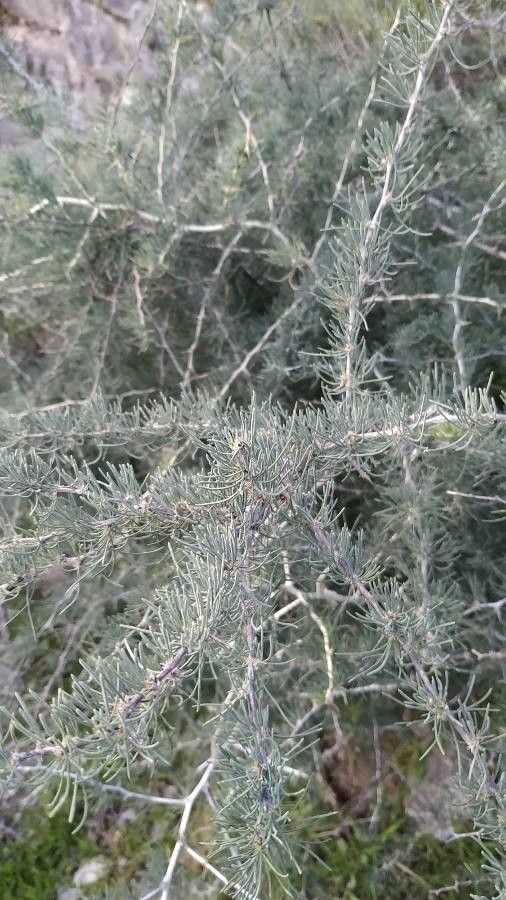
Oh, hello there! So, you’ve fallen for the charms of Asparagus albus, have you? I can totally see why. Its delicate, feathery foliage brings such a sense of airy elegance to any space, whether it’s gracing a sunny windowsill or spilling over the edge of a hanging basket. And the best part? You can actually create more of these beauties yourself! Propagating Asparagus albus is a wonderfully rewarding experience, a chance to watch new life emerge under your own care. Now, is it a walk in the park for absolute beginners? Truthfully, it’s a bit of a patient game, but with a little guidance, absolutely achievable and deeply satisfying.
The Best Time to Start
For the highest success rates, I always recommend starting your propagation efforts in the spring, just as new growth begins to emerge. This is when the plant is naturally energized and ready to put out fresh shoots. Think of it as giving your new babies the best possible head start. Aim to do this after your plant has fully woken up from its winter rest, and before the heat of summer really kicks in.
Supplies You’ll Need
Before we get our hands dirty, let’s gather our troops:
- Sharp Pruning Shears or a Clean Knife: For taking clean cuts. Dull tools can crush stems, making rooting difficult.
- Well-Draining Potting Mix: A blend of peat moss, perlite, and a bit of compost works beautifully. You want something that holds moisture but doesn’t stay waterlogged.
- Small Pots or Seed Trays: Clean pots are essential to prevent disease. Small ones are perfect for cuttings.
- Rooting Hormone (Optional but Recommended): This gel or powder can give your cuttings an extra boost and encourage faster root development.
- Plastic Bags or a Clear Cloche: To create a humid environment for your cuttings.
- Spray Bottle with Water: For misting.
- Labels and a Marker: To keep track of what you’ve propagated and when.
- A Warm Location: A sunny windowsill or a propagation mat will be your friend.
Propagation Methods
We’re going to focus on stem cuttings, as it’s generally the most reliable way to increase your Asparagus albus stock.
- Select Your Cuttings: Look for healthy, vigorous stems on your mature plant. You want to choose stems that are actively growing but not too soft and new. About 4-6 inch sections are ideal.
- Make the Cut: Using your clean shears or knife, take a decisive cut just below a leaf node. Nodes are those little bumps where leaves emerge from the stem; this is where new roots are most likely to form. Remove any lower leaves that might fall below the soil line.
- Apply Rooting Hormone (If Using): Dip the cut end of the stem into your rooting hormone, tapping off any excess. This isn’t strictly necessary, but it does seem to give a helping hand.
- Plant Your Cuttings: Fill your small pots with your well-draining potting mix. Make a small hole in the center with your finger or a pencil. Gently insert the cutting into the hole, ensuring the node (where you made the cut) is below the soil surface. Firm the soil gently around the stem.
- Create a Humid Environment: Water the soil lightly. Then, cover the pot with a clear plastic bag, securing it with a rubber band, or place it under a cloche. This little greenhouse effect is crucial for preventing the cuttings from drying out before they can develop roots.
- Provide Warmth and Light: Place your pots in a spot that receives bright, indirect light. A bit of gentle bottom heat, perhaps from a heating mat set on low, can really speed things up.
The “Secret Sauce” (Pro Tips)
Here are a few things I’ve learned over the years that make a real difference:
First, don’t let the leaves touch the soil or the water in your propagation setup. If you’re doing water propagation (which I generally avoid for Asparagus albus due to rot risk, but if you choose to, it’s a rule!), any submerged foliage will quickly turn slimy and encourage rot. For stem cuttings in soil, if lower leaves are hanging too low and will be in the mix, snip them off.
Second, mist those cuttings regularly! Even with the bag or cloche, the air inside can sometimes get a bit dry. A light misting every day or two will keep the humidity high and the leaves happy. Think of it as a refreshing drink for your baby plants.
And finally, be patient with bottom heat. Not too much, mind you! Just a gentle warmth can make a significant difference in encouraging root formation without cooking your cuttings. It mimics the natural warmth of spring soil.
Aftercare & Troubleshooting
Once you start to see roots developing – you’ll know because you might see a tiny new shoot emerging, or if you very gently tug on a cutting and feel resistance – it’s time to slowly acclimate your new plant to normal conditions. Gradually remove the plastic bag or cloche over a few days, allowing it to adjust to the ambient humidity. Continue to keep the soil consistently moist but never waterlogged.
The most common problem you might encounter is rot. This usually happens from overwatering or poor drainage. If you see a cutting turning brown and mushy, or developing black spots, it’s likely succumbed to rot. Remove it immediately to prevent it from spreading. The good news is, if you’ve taken multiple cuttings, you’ll likely have successes even if a few fail.
A Encouraging Closing
Propagating plants is truly a journey. There will be times when everything blooms beautifully, and sometimes, things just don’t quite take. Don’t get discouraged! Each attempt is a learning experience. Be patient, give your new Asparagus albus babies the care they need, and trust in the process. Soon enough, you’ll be surrounded by even more of these wonderful, airy plants, all thanks to your own two green thumbs. Happy propagating!
Resource:
https://identify.plantnet.org/k-world-flora/species/Asparagus%20albus%20L./data