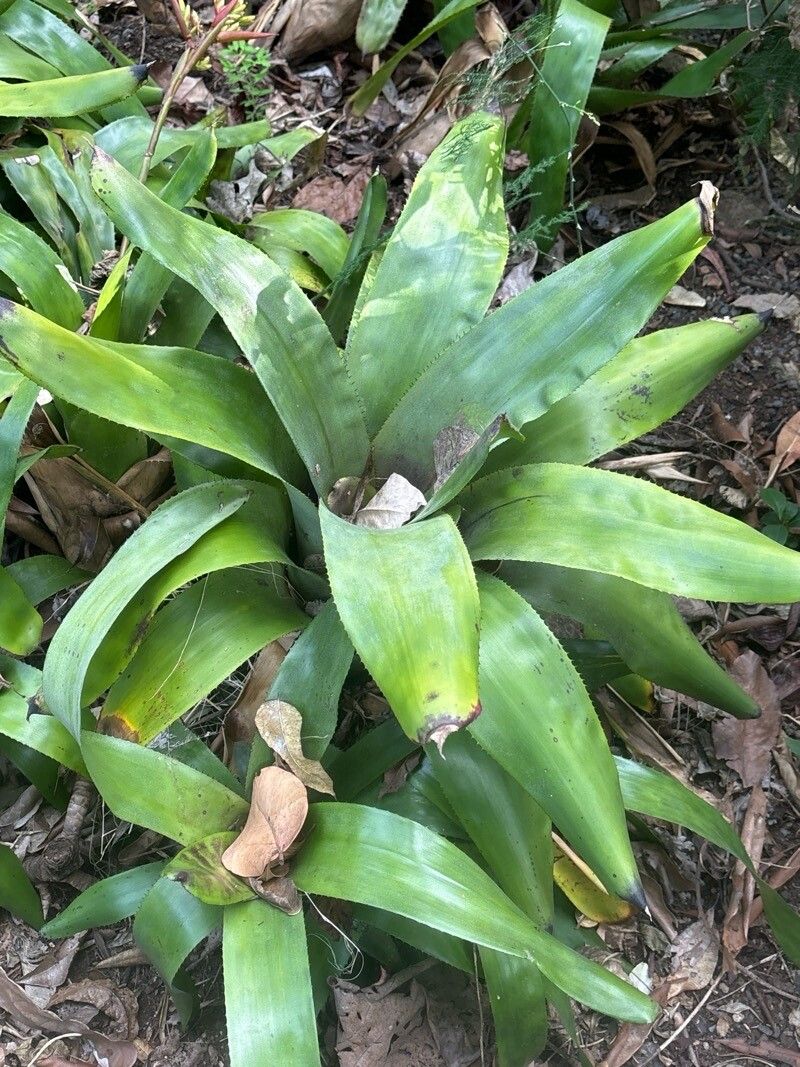
Oh, hello there! Come on in, grab a mug of something warm. Today, we’re diving into the wonderful world of Aechmea manzanaresiana, a bromeliad that’s truly a gem for any plant lover. Its striking foliage and the promise of pups make it an absolute joy to grow. And the best part? Bringing new ones to life from your existing plant is incredibly satisfying. For beginners, I’d say it’s moderately easy – it requires a little patience, but the rewards are well worth it.
The Best Time to Start
I find the spring and early summer are absolutely prime time for propagating Aechmea manzanaresiana. This is when the plant is actively growing and has plenty of energy to put into new growth. You’ll often see the most robust pups forming after the mother plant has finished flowering. That’s your signal!
Supplies You’ll Need
Here’s what I always have on hand:
- Sharp pruning shears or a clean knife: Essential for making clean cuts.
- A well-draining potting mix: I often use a 50/50 blend of orchid mix and perlite. Some people prefer coir with perlite – it really depends on your humidity levels.
- Small pots or containers: Terracotta pots are fantastic because they breathe.
- Rooting hormone (optional but recommended): Aids in faster root development.
- Clear plastic bags or a propagation dome: To maintain humidity.
- Watering can with a fine rose: For gentle watering.
Propagation Methods
Aechmea manzanaresiana is primarily propagated through offsets, or pups. This is by far the easiest and most successful method for these beauties.
- Identify the Pups: Look around the base of your mature Aechmea. You’ll see small, baby plants emerging from the mother plant’s rhizome. They’ll start small but gradually grow larger and develop their own leaves.
- Wait for Them to Develop: It’s crucial to let the pups get to a decent size. I usually wait until they are at least one-third the size of the mother plant, or have developed a few of their own leaves and good root structure. This gives them a better chance of survival.
- Gently Separate the Pup: This is the delicate part. Sometimes, you can gently wiggle and pull the pup away from the mother plant. If it’s more attached, use your clean pruning shears or knife to make a clean cut as close to the mother plant as possible, ensuring you get as many of the pup’s roots as you can.
- Allow the Cut End to Callous: This is a key step! Before potting, let the cut end of the pup air dry for 24-48 hours. This allows a protective callus to form, preventing rot. Think of it like letting a cut skin heal.
- Potting Up: Fill your small pot with your prepared, well-draining mix. Make a little hole in the center and gently place the calloused pup in, so its base is just touching the soil. You can use a chopstick or your finger to firm the mix around it.
The “Secret Sauce” (Pro Tips)
- Don’t overwater at first: After potting, I resist the urge to water heavily. A light misting is usually enough initially. The pup has stored energy and will focus on rooting before it needs a big drink. If the potting mix feels bone dry, then a very light watering is okay.
- Humidity is your friend: Place the potted pup in a clear plastic bag or under a propagation dome. This creates a mini-greenhouse effect, keeping the humidity high, which encourages root formation. Make sure the leaves aren’t constantly touching the sides of the bag, as this can sometimes lead to fungal issues. Vent it daily for a few minutes to let in fresh air.
- Bottom heat can work wonders: If you have a seedling heating mat, placing your pots on it can significantly speed up root development. It mimics the warmth of the tropics where these plants thrive.
Aftercare & Troubleshooting
Once you see new leaves emerging and the plant feels firmly rooted when you gently tug it, you’ve got a successful new Aechmea! Gradually introduce it to more light and water as you would an adult plant, making sure the central cup fills with a bit of water.
The most common issue you’ll encounter is rot. This usually happens if the pup is planted too deeply, the soil is too wet, or the callus didn’t form properly. If you notice mushy, dark spots or a generally wilting, sad pup, it’s a sign of rot. Unfortunately, it’s often fatal, but don’t let it discourage you. Learn from it and try again!
A Little Encouragement
Propagating plants can sometimes feel like a gamble, but Aechmea manzanaresiana is a forgiving one. Be patient, observe your little pups, and enjoy the journey of watching them grow into their own beautiful plants. Happy propagating!
Resource:
https://identify.plantnet.org/k-world-flora/species/Aechmea%20manzanaresiana%20H.Luther/data