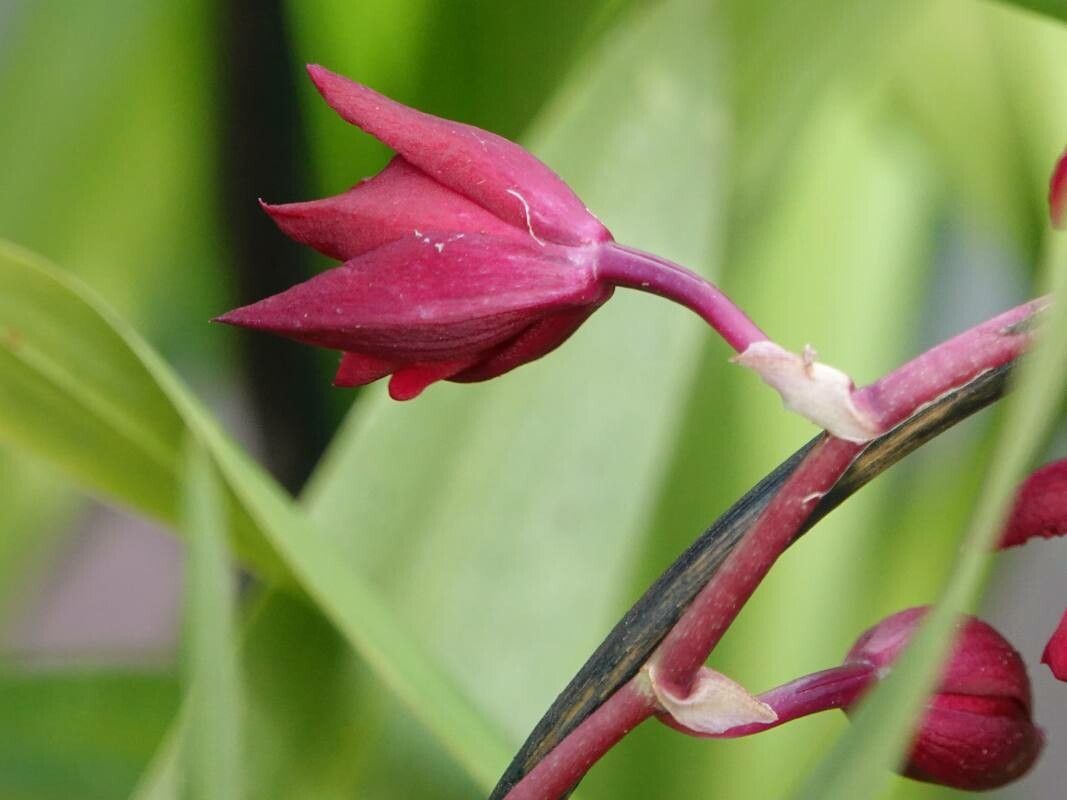
Oh, hello there! So, you’ve fallen in love with the gorgeous, pansy-like blooms of a Miltoniopsis phalaenopsis, haven’t you? I totally get it. Their delicate beauty and sweet fragrance can really brighten up any home. And the thought of creating more of these beauties from your existing plant? That’s just pure gardening joy!
Now, I won’t sugarcoat it – propagating Miltoniopsis isn’t quite as straightforward as, say, a pothos cutting. They can be a little more particular. But that’s what makes it so rewarding when you get it right! It’s a challenge that, with a little patience and understanding, is absolutely achievable.
The Best Time to Start
For Miltoniopsis, the sweet spot for propagation is usually after they have finished blooming. You want to catch them when they are actively growing, typically in the spring or early summer. This is when the plant has plenty of energy stores to focus on developing new roots and shoots. Trying to propagate when the plant is stressed or dormant is just setting yourself up for disappointment.
Supplies You’ll Need
Gathering your tools before you begin will make the whole process smoother. Here’s what I usually have on hand:
- Sharp, sterile pruning shears or a clean knife. Sterilize them with rubbing alcohol to prevent disease.
- A well-draining orchid potting mix. This is crucial! I usually use a bark-based mix specifically designed for orchids, often with added perlite for extra aeration.
- Small pots or trays. Clean, clean, clean! Something about 3-4 inches in diameter is usually a good start.
- Rooting hormone (optional, but recommended). This can give your cuttings a little boost. Get one formulated for orchids if you can find it.
- A mister bottle. For keeping things lightly humid.
- Clear plastic bags or a propagator box (optional). To create a humid environment.
- Labels and a waterproof marker. Don’t forget to label your precious babies!
Propagation Methods
The most common and successful way to propagate Miltoniopsis phalaenopsis is through division. These orchids grow in clumps, and you can separate these clumps to create new plants.
Here’s how I do it:
- Gently remove the plant from its pot. Turn it upside down and carefully ease the pot away. If it’s stuck, you might need to gently tap the sides of the pot or use a thin knife to loosen the roots around the edge.
- Identify the growth divisions. Look for sections of the plant that have their own pseudobulbs (those swollen stem bases) and at least two or three healthy leaves. You’re looking for natural breaks where you can separate the clumps.
- Carefully separate the divisions. If the roots are tangled, you might need to use your sterile shears or knife to cut through them. Try to cut between the pseudobulbs where possible, and aim to leave each division with a good amount of healthy roots. It’s okay if some roots are damaged; just be gentle!
- Examine the divisions. Remove any dead or diseased pseudobulbs or leaves. You want to give your new plants the best possible start.
- Pot up your new divisions. Place each division in its own pot filled with your fresh orchid mix. Position the division so the base of the pseudobulbs is just at the surface of the mix. Don’t pack the mix too tightly; air circulation is important.
- Water lightly. After potting, give the new division a very light watering. You don’t want to saturate the roots right away.
The “Secret Sauce” (Pro Tips)
Here are a few things I’ve learned over the years that can make a big difference:
- Don’t drown them! This is probably the biggest mistake beginners make. After division, the new plants need time to acclimate. Overwatering can quickly lead to rot. Keep the potting mix lightly moist, not soggy.
- Humidity is your friend, but not stagnation. After potting your divisions, I like to place them in a clear plastic bag or a propagator box. This creates a wonderfully humid environment, which encourages root growth. However, open the bag or propagator for a few minutes each day to allow for air circulation. Rot loves stagnant, wet air.
- Be patient with the roots. It can take weeks, sometimes even months, for divisions to show new root growth. Don’t be tempted to dig them up to check! Trust the process and focus on providing good light and consistent, but not excessive, moisture.
Aftercare & Troubleshooting
Once your divisions are potted, keep them in a bright spot with indirect light. Avoid direct sun, which can scorch their delicate new leaves. As you see signs of new growth – a tiny leaf unfurling or a new root tip peeking out – you can gradually increase your watering frequency.
The most common issue you might encounter is rot. This usually happens from too much moisture and poor air circulation. Signs of rot include mushy, discolored pseudobulbs or leaves that turn yellow and fall off. If you see this, trim away the affected parts with your sterile shears and ensure better air movement. Sometimes, a division is just too far gone; don’t get discouraged, learn from it!
A Little Encouragement
Watching a new little Miltoniopsis grow from a division is such a rewarding experience. It’s a testament to your care and understanding of these beautiful plants. Be patient, trust your instincts, and enjoy the journey. Soon enough, you’ll have a collection of these delightful blooms to share! Happy growing!
Resource: