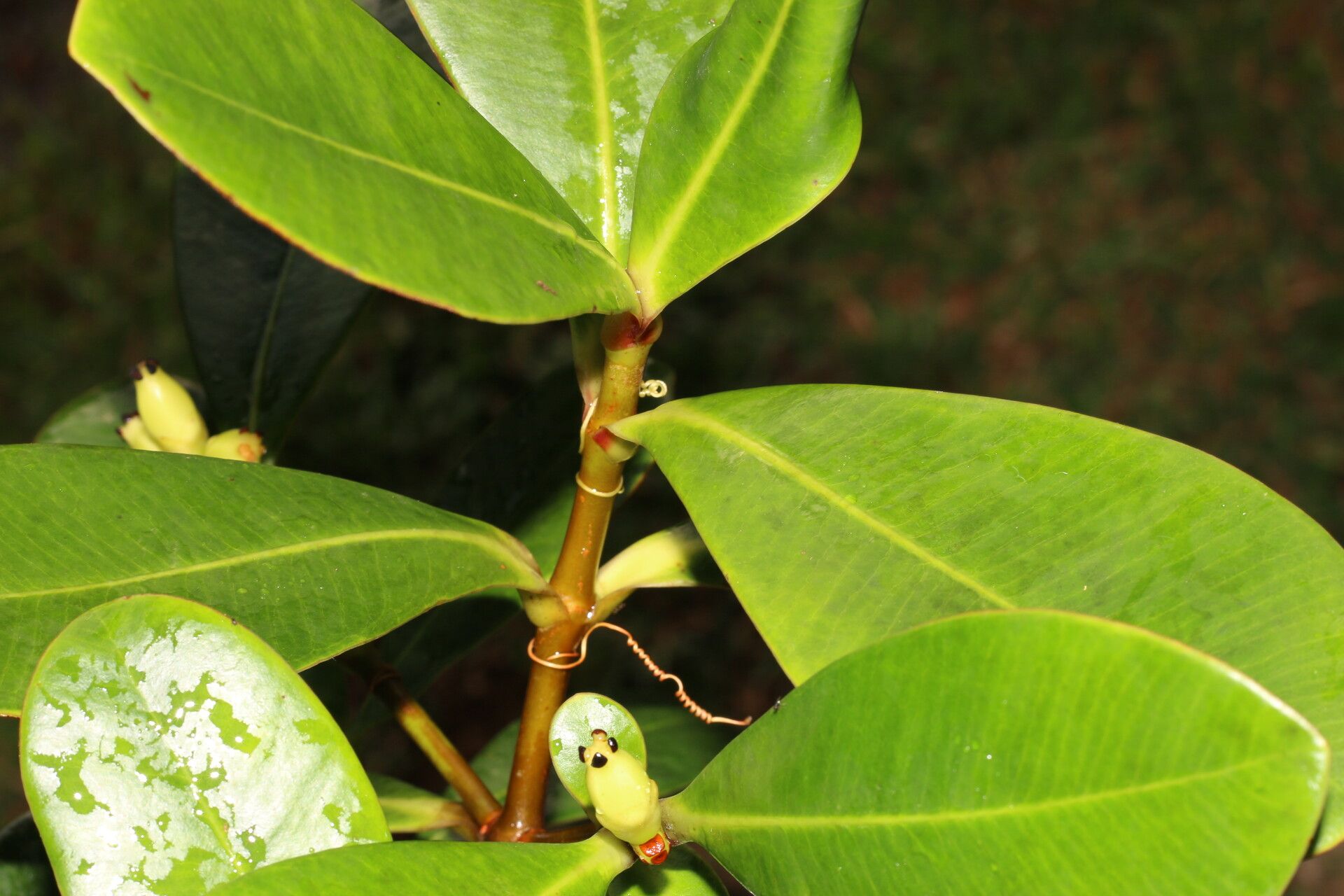
Oh, hello there! Come on in, grab a mug. Today, we’re diving into a plant that’s become a real favorite in my garden and for many of you who follow along – the Clusia palmana. You know, these beautiful plants with their glossy, sculptural leaves and lovely little flowers, they just have a way of brightening any space. And the best part? They’re surprisingly rewarding to propagate. If you’re new to this, don’t you worry; I’d say Clusia is a wonderfully approachable plant for propagation, even for those just getting their green thumbs.
The Best Time to Start
When it comes to Clusia palmana, I find the absolute best time to take cuttings is during its active growing season. For most of us, that means late spring through summer. The plant is full of energy then, and those cuttings are much more likely to root quickly and successfully. You’re essentially working with a plant that’s eager to grow, and that enthusiasm is contagious!
Supplies You’ll Need
Before we get our hands dirty, let’s gather our supplies. It’s always good to have everything ready to go:
- Sharp, clean pruning shears or a sharp knife: For making clean cuts. Rust never helps a plant!
- Rooting hormone (optional but recommended): A little boost can make a big difference. I prefer a powder form.
- A well-draining potting mix: I like a blend of equal parts potting soil, perlite, and a bit of orchid bark. Or, you can find commercially made cactus and succulent mix, which works beautifully.
- Small pots or trays: For your new cuttings. Make sure they have drainage holes!
- Watering can with a fine rose or a spray bottle: For gentle watering.
- Clear plastic bags or a propagation dome (optional): To create a humid environment.
Propagation Methods
Clusia palmana is pretty versatile, but my go-to method, and usually the most successful, is through stem cuttings.
- Select a healthy stem: Look for a mature, but not woody, stem from your existing plant. You want one that’s actively growing. Aim for a stem piece that’s about 4-6 inches long.
- Make the cut: Using your clean shears or knife, make a clean cut just below a leaf node. This is where new roots are most likely to emerge.
- Prepare the cutting: Gently remove the lower leaves from the stem, leaving just a few at the top. This prevents them from rotting when placed in the soil or water.
- Apply rooting hormone (optional): If you’re using rooting hormone, dip the cut end into the powder, tapping off any excess.
- Plant your cutting:
- For soil propagation: Fill your small pot with your prepared potting mix. Make a small hole with your finger or a pencil, and gently insert the cut end of the Clusia stem. Firm the soil gently around the cutting.
- For water propagation: Place the prepared cutting in a clean jar or glass of water. Make sure no leaves are submerged in the water. You’ll want to change the water every few days to keep it fresh.
The “Secret Sauce” (Pro Tips)
Here are a few little tricks I’ve learned over the years that really help Clusia cuttings thrive:
- Don’t let those leaves touch the water! Seriously, this is a big one, especially for water propagation. If leaves sit in water, they’ll rot faster than you can say “new plant.” Keep them up and out.
- Bottom heat is your friend. Clusia, like many tropical plants, loves a bit of warmth from below when it’s rooting. If you have a seedling heat mat, placing your pots on it can dramatically speed up root development. It mimics the warm soil of their natural environment.
- Patience is key with humidity. For stem cuttings in soil, I like to pop them into a plastic bag or cover them with a clear dome. This keeps the humidity high, which is crucial for preventing the cutting from drying out before it can establish roots. Just remember to open it up for a bit of air circulation every couple of days to prevent fungal issues.
Aftercare & Troubleshooting
Once you see signs of new growth or feel a bit of resistance when you gently tug on the cutting (a good sign of roots!), it’s time for a little tender loving care.
- Watering: Keep the soil consistently moist but not soggy. Overwatering is the most common mistake and can lead to stem rot, which is usually fatal. If you’re water propagating, you’ll already have roots, so you can then move to planting in soil.
- Light: Place your new cuttings in a bright spot, but out of direct, harsh sunlight initially. They’re still a bit delicate and can get scorched.
- Transplanting: Once your cuttings have a good root system (you might see roots poking out of the drainage holes), you can transplant them into slightly larger pots with your well-draining mix.
What about problems? The most common thing to watch out for is rot. If your cutting turns black and mushy, it’s usually a sign of too much moisture or a lack of air circulation. If you see this happening, unfortunately, it’s best to discard it and try again. Don’t get discouraged; even experienced gardeners lose cuttings sometimes. It’s all part of the learning process.
A Little Encouragement for Your Journey
Propagating Clusia palmana is such a wonderful way to expand your collection and share these lovely plants with friends. It’s a process that connects you more deeply with your plants. Be patient with them, observe them closely, and enjoy every little bit of growth. You’ve got this! Happy propagating!
Resource:
https://identify.plantnet.org/k-world-flora/species/Clusia%20palmana%20Standl./data