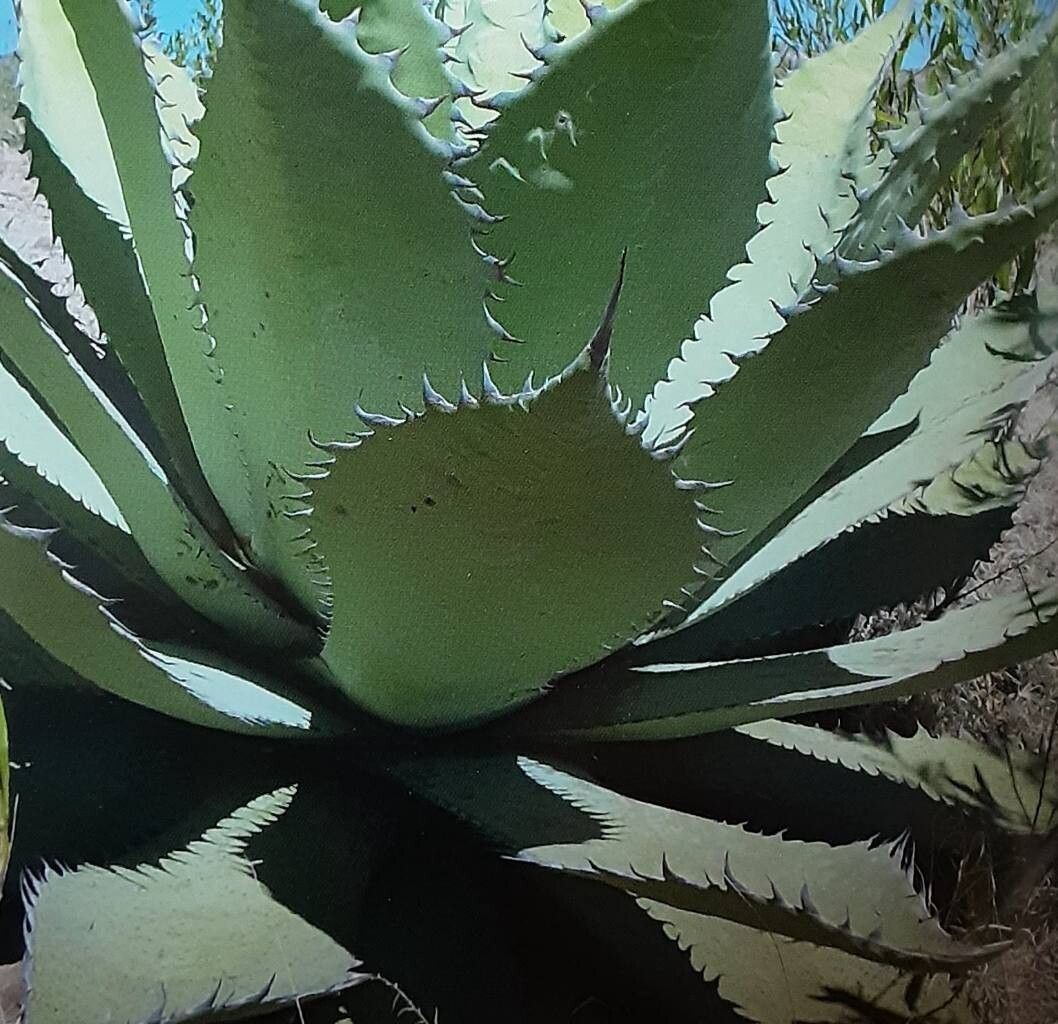
Well hello there, fellow plant lovers! Today, we’re diving into the wonderful world of Agave durangensis, a plant that truly brings a touch of rugged, architectural beauty to any garden or indoor space. I’ve spent two decades coaxing new life from my favorite plants, and let me tell you, multiplying these spiky beauties is incredibly satisfying. Watching a tiny pup unfurl its first leaves feels like magic, and the best part? You get more of these gorgeous specimens to share or simply enjoy yourself. Now, before you get intimidated by those formidable spines, know that propagating Agave durangensis is surprisingly manageable, even for those just starting their gardening journey.
The Best Time to Start
For the highest chance of success, I always recommend propagation during the active growing season. This typically falls between late spring and early summer for most climates. You’re looking for when your mature agave is actively producing new growth or has developed noticeable pups, those little offsets that sprout from the base. This invigorated state means the plant has plenty of energy to dedicate to forming new roots.
Supplies You’ll Need
Here’s a little kit to get you started:
- Sharp, clean pruning shears or a sturdy knife: For making clean cuts.
- Rooting hormone powder or gel (optional but recommended): This gives your cuttings a helpful boost.
- Well-draining potting mix: A cactus or succulent mix is perfect. You can also make your own by combining potting soil with perlite and coarse sand.
- Small pots or containers: With drainage holes, of course!
- Gloves: To protect your hands from those sharp edges!
- A spray bottle: For gentle misting.
- A small trowel or spoon: For filling pots.
Propagation Methods
The most straightforward way to propagate Agave durangensis is by dividing pups.
- Assess your mature agave: Look for small offsets, called pups, that have emerged from the base of the mother plant. Ideally, these pups should be at least a few inches in diameter and have a few of their own leaves.
- Gently unearth the pup: Carefully dig around the base of the pup with your trowel or spoon. You want to expose the connection point where it’s attached to the mother plant.
- Make the cut: Using your clean shears or knife, make a clean cut to separate the pup from the mother plant. Try to get a small section of root attached to the pup if possible.
- Allow to callus: This is crucial! Let the cut end of the pup air dry for 2-7 days in a warm, dry spot. This forms a protective callus and prevents rot when you replant it.
- Potting up: Fill your small pot with your well-draining succulent mix.
- Plant the pup: Gently insert the callused end of the pup into the soil. You can use some rooting hormone powder just before planting if you like.
- Water sparingly: Water very lightly after planting, just enough to moisten the soil. You don’t want to saturate it. Overwatering at this stage is the quickest way to invite rot.
The “Secret Sauce” (Pro Tips)
Over the years, I’ve learned a few tricks that make all the difference:
- Don’t rush the callus: I cannot stress this enough. That dry, callused surface is your best defense against rot. Be patient! If it still looks moist or raw, let it dry a bit longer.
- Bottom heat can be a game-changer: If you’re propagating indoors, especially when starting earlier or later in the season, placing your potted pups on a seedling heat mat can significantly speed up root development. I find it really jump-starts their journey.
- Think about airflow: Good air circulation is vital for agaves. When your pups are callusing, make sure they are in a spot that isn’t stagnant. After planting, avoid overcrowding your new babies, as this can also lead to moisture buildup.
Aftercare & Troubleshooting
Once your pup has been in its new pot for a few weeks and you’ve been watering sparingly (think a light mist or a tiny drink every 2-3 weeks, depending on your climate), you can gently tug on it. If you feel resistance, congratulations, roots are forming!
Signs of trouble to watch out for:
- Mushy, brown stem: This is a classic sign of rot, usually caused by overwatering or not allowing the cutting to callus properly. If you see this, sadly, it’s often too late to save that particular pup.
- Wilting leaves: While some initial wilting can happen as the plant adjusts, prolonged wilting can indicate insufficient roots or poor watering practices. Ensure your soil is draining well.
If all goes well, you’ll start to see new, small leaves emerging from the center of your pup. This is a clear sign of successful rooting! Continue with your infrequent watering schedule and gradually introduce it to more light as it grows stronger.
A Encouraging Closing
Propagating Agave durangensis is a journey, not a race. Be patient with your little pups, celebrate every tiny sign of growth, and don’t be discouraged if you have a failure or two along the way. That’s just part of learning! Enjoy the process, get your hands a little dirty, and soon you’ll have a collection of these magnificent spiky treasures. Happy propagating!
Resource:
https://identify.plantnet.org/k-world-flora/species/Agave%20durangensis%20Gentry/data