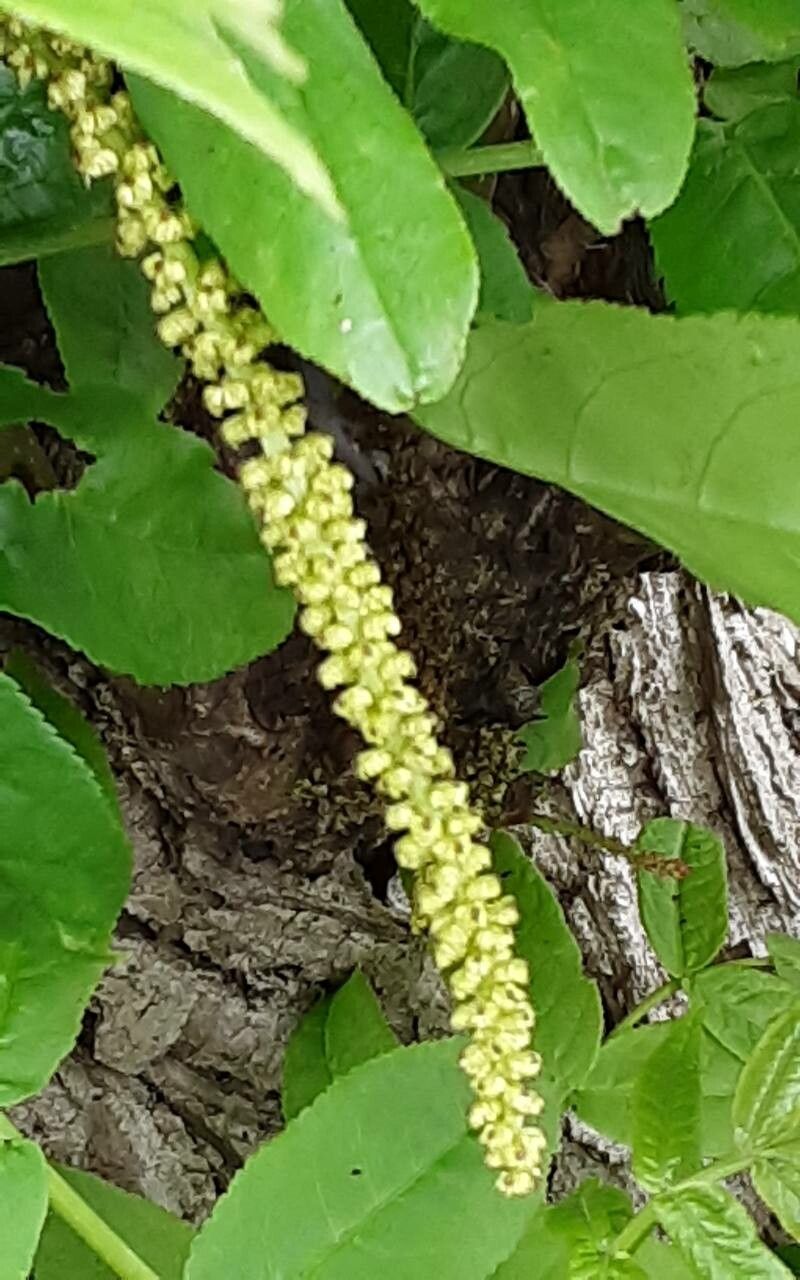
Hello fellow plant lovers! I’m so excited to chat with you today about a tree that has completely captured my heart: the Japanese Wingnut, Pterocarya rhoifolia. If you’re looking for a majestic, fast-growing tree with a wonderfully graceful presence, this is it. Its long, pendulous seed strings in the fall are absolutely ornamental, and the compound leaves create such a lovely dappled shade. Plus, propagating your own from a beloved parent tree is incredibly satisfying. Now, I’ll be honest, Pterocarya rhoifolia isn’t the easiest plant to start from scratch for a complete beginner, but with a little patience and the right approach, it’s definitely achievable and so rewarding.
The Best Time to Start
For the highest success rate with Pterocarya rhoifolia, softwood cuttings taken in late spring to early summer are your best bet. This is when the new growth is flexible and energized, really ready to take off. You want to catch it when the stems are still pliable but have started to firm up a bit – not the brand-new, floppy tips.
Supplies You’ll Need
Here’s what you’ll want to have on hand:
- Sharp & Clean Pruning Shears or a Knife: Essential for clean cuts that heal well.
- Rooting Hormone: A powder or gel will significantly increase your chances of root development.
- Well-Draining Potting Mix: I love a mix of peat moss, perlite, and coarse sand, roughly in equal parts. This keeps things airy and prevents soggy roots.
- Small Pots or Trays: With drainage holes, of course!
- Plastic Bags or a Propagation Dome: To create a humid environment.
- Small Stakes (optional): To support your cuttings if they’re a bit wobbly.
- Water: For misting.
Propagation Methods
The most reliable method for Pterocarya rhoifolia is stem cuttings.
- Take Your Cuttings: In late spring or early summer, select healthy, vigorous young shoots from your parent tree. Look for stems that are about 6-10 inches long and have a pencil-like thickness. Using your clean shears, make a cut just below a leaf node (where a leaf attaches to the stem). Remove the lower leaves, leaving just a few at the top to help with photosynthesis. If any leaves are very large, you can trim them in half to reduce water loss.
- Prepare the Cuttings: Dip the cut end of each stem into your rooting hormone, tapping off any excess.
- Pot Them Up: Fill your pots or trays with your well-draining potting mix. Make a hole in the soil with your finger or a pencil deep enough to accommodate the cut end of the stem. Gently insert the cutting into the hole, firming the soil around it.
- Create Humidity: Water the soil gently. Then, cover the pots with a plastic bag or place them under a propagation dome. Make sure the plastic doesn’t touch the leaves too much – you can use small stakes to prop it up if needed. Place the pots in a bright location, but out of direct, scorching sunlight.
The “Secret Sauce” (Pro Tips)
Here are a couple of things I’ve learned over the years that make a big difference:
- Don’t Dredge! When you’re using rooting hormone powder, don’t dip the entire wet end into the powder. Lightly moisten the cutting then dip. It helps the powder adhere well and prevents clumping.
- Bottom Heat is Your Friend: If you have access to a heat mat, placing your pots on one can significantly speed up root development. Pterocarya rhoifolia loves a little warmth from below to get those roots going.
Aftercare & Troubleshooting
Once your cuttings are potted, keep the soil consistently moist but not waterlogged. Mist the leaves occasionally, especially if they’re inside a plastic tent. You’ll know roots have formed when you see new leaf growth or feel a gentle resistance when you lightly tug on the stem. This can take anywhere from 4 to 8 weeks, sometimes longer.
The most common issue you’ll encounter is rot. This usually happens if the soil is too wet or you don’t have enough air circulation. If you see the stem turning black or mushy at the soil line, it’s usually a sign of rot and sadly, that cutting is likely lost. Remove any affected cuttings immediately to prevent it from spreading. Don’t be discouraged if you lose a few; it’s part of the learning process!
A Little Patience Goes a Long Way
Propagating trees like Pterocarya rhoifolia is a journey. It requires a bit of an investment in time and observation, but watching those first new leaves unfurl, knowing you’ve helped create another beautiful tree, is an unparalleled joy. Be patient with yourself and with your cuttings. Happy gardening!
Resource: