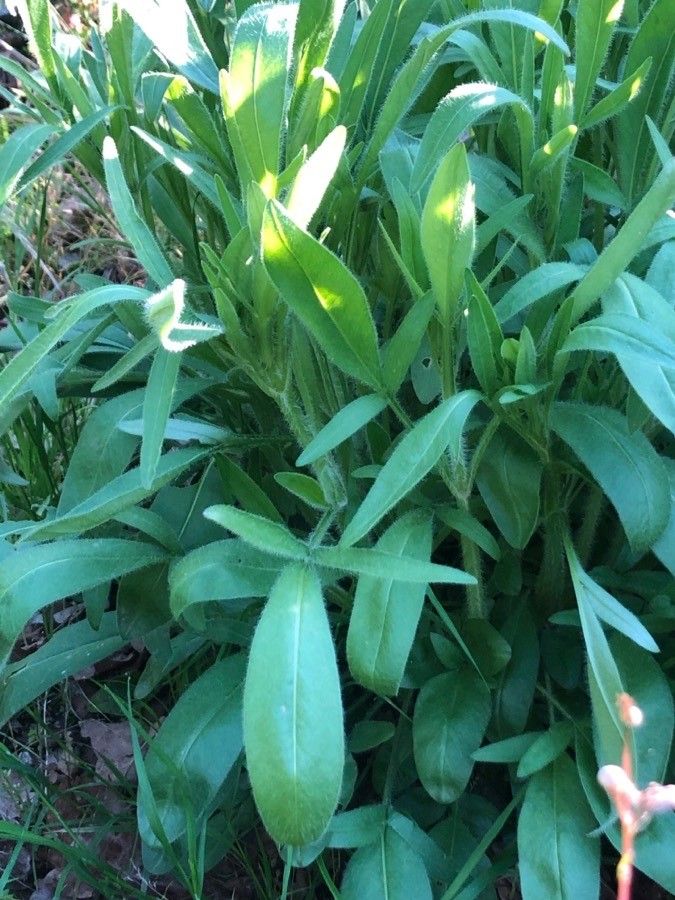
Oh, Bidens micrantha! If you’re looking for a plant that brings a burst of sunshine and cheerful charm to your garden, then you’ve found a winner. Its delicate, daisy-like blooms, often in cheerful yellows and oranges, are just delightful. And the best part? Propagating it is a truly rewarding experience, and I’m happy to say, it’s quite forgiving, even for those just starting their gardening journey. You’ll be amazed at how easily you can create more of this lovely plant.
The Best Time to Start
For the highest success rate with Bidens micrantha, I always find the late spring to early summer to be the golden window. This is when the plant is actively growing and has plenty of energy to put into developing new roots. You can also take cuttings from established plants throughout the summer months, but starting early gives them the best chance to mature before cooler weather arrives.
Supplies You’ll Need
Here’s a little gathering of what you’ll want to have on hand:
- Sharp, clean pruning shears or scissors: A clean cut is essential to prevent disease.
- Seed starting mix or a well-draining potting mix: Something light and airy is key. I often use a mix of peat moss, perlite, and a little compost.
- Small pots or trays: Ensure they have drainage holes.
- Rooting hormone (optional, but recommended): This little helper can really boost your success.
- A spray bottle: For misting.
- Plastic bags or a propagator: To create a humid environment.
- Labels and a pen: To keep track of what you’ve planted.
Propagation Methods
Let’s get our hands dirty! My favorite and most reliable method for Bidens micrantha is by stem cuttings.
- Select Your Cuttings: Look for healthy, non-flowering stems on your mature Bidens plant. Aim for stems that are about 4-6 inches long.
- Make the Cut: Using your clean pruners, make a cut just below a leaf node (where a leaf attaches to the stem). This is where roots are most likely to form.
- Prepare the Cutting: Gently remove the lower leaves from the stem, leaving at least two sets of leaves at the top. You can also pinch off any developing flower buds, as the plant needs to focus its energy on root production, not blooming.
- Apply Rooting Hormone (Optional): Dip the cut end of the stem into your rooting hormone powder or gel, tapping off any excess. This step really helps to speed things up.
- Plant Your Cuttings: Fill your small pots with your prepared potting mix. Make a small hole in the center of the soil with your finger or a pencil. Insert the cut end of the stem into the hole, making sure the leaf nodes are nestled in the soil. Gently firm the soil around the stem.
- Water Gently: Water the soil thoroughly until you see water draining from the bottom of the pot.
- Create Humidity: Place the potted cuttings into a plastic bag or cover them with a propagator lid. This traps moisture and creates a humid environment, which is crucial for rooting. Make sure the leaves aren’t touching the sides of the bag if possible.
- Location, Location, Location: Place the pots in a bright location that receives indirect sunlight. Avoid direct, hot sun, which can scorch the young cuttings.
Another simple method, especially if you want to see progress quickly, is water propagation.
- Prepare the Cuttings: Follow steps 1-3 from the stem cutting method.
- Place in Water: Gently place the prepared cuttings in a jar or glass filled with clean water. Make sure the leaf nodes are submerged, but don’t let the leaves touch the water – this can lead to rot.
- Change Water Regularly: Change the water every few days to keep it fresh and prevent bacterial growth.
- Observe Root Development: You’ll start to see tiny white roots emerge from the nodes within a couple of weeks. Once the roots are about an inch long, they are ready to be transplanted into soil.
The “Secret Sauce” (Pro Tips)
Now, for a little insider advice that can make a big difference:
- Bottom Heat is Your Friend: If you have a warming mat designed for seedlings, placing your pots on top of it can significantly speed up the rooting process. It mimics the warmth of spring soil.
- Keep Them Cozy, Not Soggy: While humidity is vital, don’t let the soil become waterlogged. Check the moisture level regularly and only water when the top of the soil feels dry to the touch. Overwatering is the quickest way to invite rot.
- Patience, Young Grasshopper: I know it’s tempting to pull them up and check for roots every five minutes, but resist the urge! Give them at least 2-3 weeks before gently tugging on a stem. If there’s resistance, you’ve got roots!
Aftercare & Troubleshooting
Once you see those promising roots peeking out from the drainage holes or feel that resistance when you gently tug, it’s time for them to graduate.
- Transplanting: Carefully transplant your rooted cuttings into slightly larger pots filled with your regular potting mix. Continue to keep them in a bright, indirect light location.
- Gradual Acclimation: If you used a propagator or plastic bag, gradually introduce them to less humid conditions over a few days. Open the bag a little more each day, or mist them less frequently.
- Watering: Water them thoroughly when the top inch of soil is dry.
- Common Pitfalls: The most common issue you might face is rot. If your cuttings turn black and mushy, it’s usually a sign of too much moisture or insufficient airflow. Ensure you’re using well-draining soil and not overwatering. Another sign of trouble is if the leaves start to yellow and wilt significantly, which could indicate they haven’t rooted and are drying out, or again, that they’re getting too much water.
A Encouraging Closing
Seeing those tiny baby Bidens plants thrive is one of the most satisfying parts of gardening for me. Don’t be discouraged if your first attempt isn’t perfect; plant propagation is a skill that improves with practice. Enjoy the process, get your hands dirty, and soon you’ll have a whole garden full of these sunny little beauties. Happy growing!
Resource:
https://identify.plantnet.org/k-world-flora/species/Bidens%20micrantha%20Gaudich./data