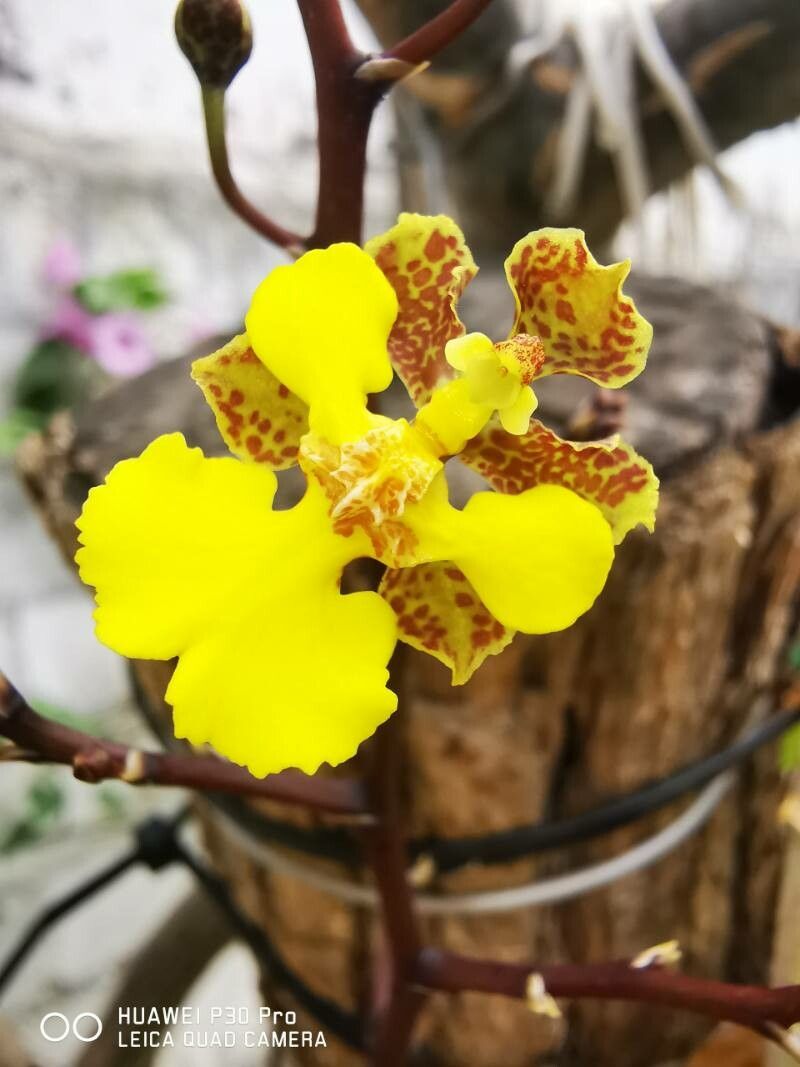
Oh, hello there! Come on in, grab a mug of coffee – or tea, whatever you fancy. Today, we’re going to talk about one of my absolute favorites, Trichocentrum brachyphyllum. If you haven’t encountered this little gem, let me tell you, it’s a real charmer. Its delicate, often fragrant flowers are just stunning, and there’s something incredibly satisfying about coaxing a brand new plant to life. Now, I won’t lie – Trichocentrum brachyphyllum can be a little bit fussy compared to, say, a pothos. It’s not a beginner’s “throw it in a glass of water” kind of plant, but with a little care and attention, it’s entirely doable, and you’ll feel like a superstar when you succeed!
The Best Time to Start
For Trichocentrum brachyphyllum, the sweet spot for propagation is usually spring or early summer. This is when the plant is actively growing and has plenty of energy to dedicate to forming new roots. Watching for the first signs of new growth on the parent plant – like a fresh pseudobulb or a new leaf emerging – tells you it’s feeling robust and ready for a little generative action.
Supplies You’ll Need
Gathering your supplies beforehand makes the whole process go much smoother. Here’s what I’ve found to be essential:
- Sharp, sterilized pruning shears or a clean knife: Essential for making clean cuts that heal well.
- Cinnamon or a rooting hormone powder: Cinnamon acts as a natural fungicide and helps calluses form. A rooting hormone specifically for orchids can give cuttings an extra boost.
- Well-draining orchid potting mix: I typically use a blend of fine bark, perlite, and a bit of charcoal. You want it to drain really well.
- Small pots or trays: Terracotta pots are lovely because they breathe, but plastic is fine too. Just make sure they have drainage holes!
- Misting bottle: For keeping humidity levels up.
- Clear plastic bag or a propagation dome: To create a humid environment.
- Optional: Bottom heat mat: This can significantly speed up root development.
Propagation Methods
While Trichocentrum brachyphyllum doesn’t readily grow from simple leaf cuttings like some houseplants, we usually propagate it through division. This involves separating a mature plant into smaller, viable sections.
Here’s how I go about it:
- Gently remove the parent plant from its pot. Be careful not to damage the root system too much. You might need to loosen the potting mix carefully with your fingers or a chopstick.
- Inspect the plant. Look for natural divisions. You’re essentially looking for sections that have at least one healthy pseudobulb and a few healthy leaves. Sometimes, there are already distinct rhizome connections that suggest a natural break point.
- Use your sterilized shears or knife to carefully separate the sections. Cut cleanly between the pseudobulbs. If there is a significant amount of old, dried-out roots, you can trim those away to make handling easier.
- Treat the cuts. Dust the cut surfaces with cinnamon or dip them in a rooting hormone powder. This helps prevent rot and encourages rooting.
- Allow the cuttings to callus. This is crucial! Let them sit in a slightly airy, dry spot (not in direct sun) for 1-3 days. You’ll see the cut surface dry out and form a protective scab. This step is a game-changer for preventing rot.
- Pot up your new divisions. Plant each section in its own small pot with your prepared orchid mix. Bury the pseudobulb just enough so it’s stable, but don’t cover the leaves.
- Water lightly. Just enough to moisten the mix. You don’t want it soggy.
The “Secret Sauce” (Pro Tips)
Here are a couple of things I’ve learned over the years that really make a difference:
- Don’t let the leaves sit in water. This is a common mistake with many propagations, but for orchids, it’s a recipe for disaster. Make sure your plant is firmly potted and not leaning in a way that water could pool on the leaves.
- Embrace the humidity, but with ventilation. Once potted, I like to put the pots inside a clear plastic bag or under a propagation dome. This creates that essential humid microclimate. However, I open the bag or dome for a little while each day to allow for air circulation and prevent fungal issues. Think of it as a “breath of fresh air” for your little orchid babies.
- Bottom heat is your friend. If you have a bottom heat mat, place your potted divisions on it. This gentle warmth from below mimics natural conditions and can really encourage those roots to get a move on. Just make sure the temperature doesn’t get too hot – comfortably warm is the goal.
Aftercare & Troubleshooting
Once your divisions are potted and settled, patience is key! Keep the potting mix lightly moist, but never waterlogged. Mist the leaves occasionally if the humidity feels low, but always allow them to dry. As new roots begin to emerge – you’ll usually see them growing out of the bottom of the pot – you can gradually increase watering slightly.
The most common sign of trouble is rot. If a pseudobulb starts to look shriveled and mushy, or if leaves turn yellow and fall off very quickly, it’s a sign that things might be too wet or that the cut wasn’t properly callused. Sometimes, a little rot can be trimmed away, but often, if the pseudobulb is affected, it’s best to compost the cutting and try again. Watch out for mealybugs or spider mites too, which can sometimes show up on stressed plants.
A Encouraging Closing
See? It’s not rocket science, just a little bit of love, observation, and the right touch. Propagating Trichocentrum brachyphyllum is a journey, and each new plant is a testament to your growing skills. Don’t be discouraged if your first attempt isn’t perfect. The most important thing is to enjoy the process, learn from your observations, and celebrate those tiny roots when they finally appear. Happy growing!
Resource: