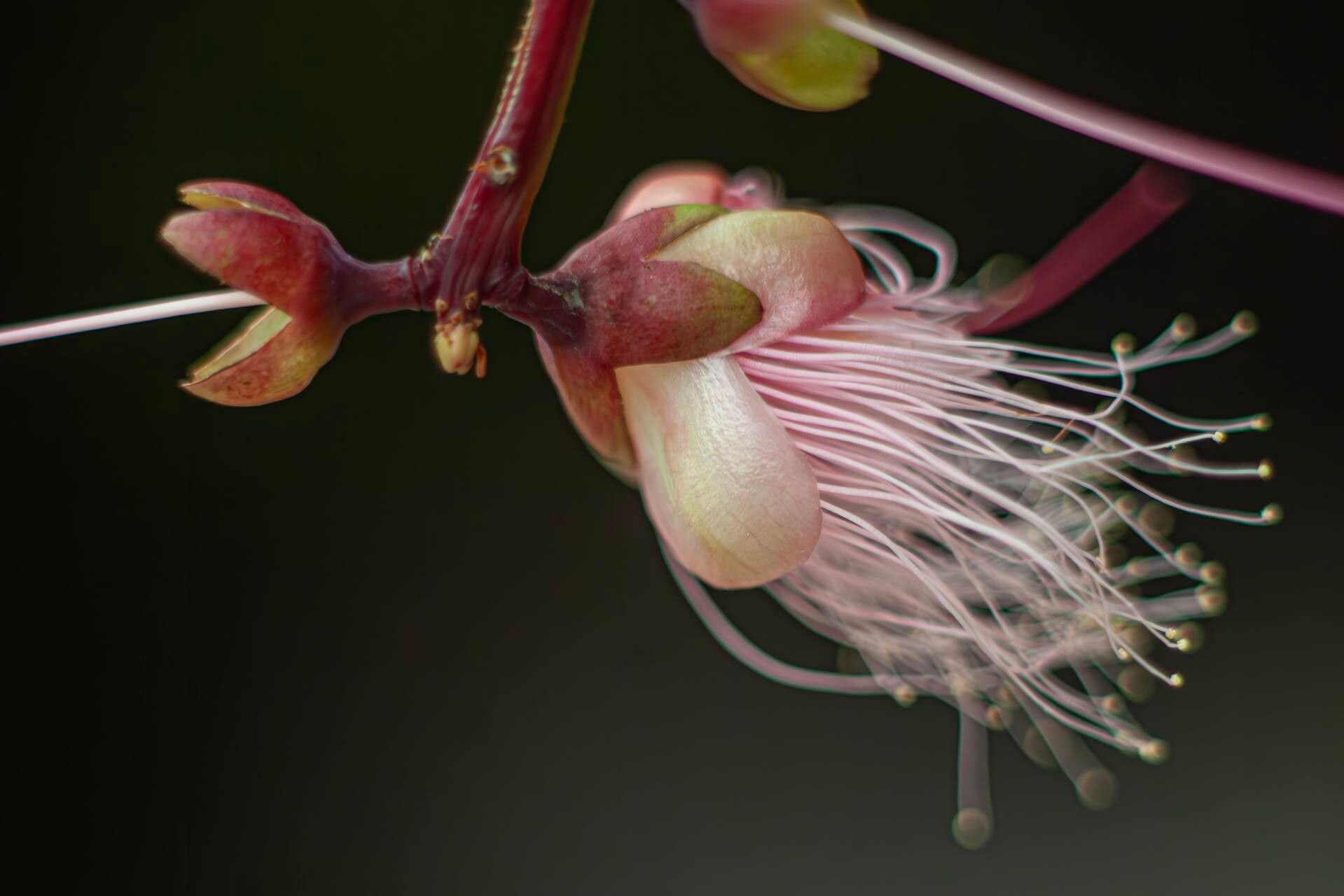
Oh, hello there! Come on in, grab a mug. Let’s talk about Barringtonia racemosa, or the Freshwater Apple, as some folks call it. If you’ve ever admired those long, elegant, pendulous flower spikes—like a cascade of delicate pink and white fireworks—then you’re already hooked. And trust me, bringing that beauty into your own garden, or sharing it with friends, by propagating it yourself is incredibly satisfying. Now, is it a walk in the park for a brand-new gardener? Honestly, it can be a tad finicky sometimes, but with a little patience and these tips, you’ll be well on your way.
The Best Time to Start
My favorite time to get started with Barringtonia racemosa is usually in the late spring or early summer. This is when the plant is really pushing out new growth, full of energy and life. You’ll see those healthy, vibrant shoots, which are perfect for taking cuttings. Aim for stems that are somewhat mature, not the brand-new, floppy tips, but not woody old branches either. Think of it as the “just right” stage.
Supplies You’ll Need
Gathering your tools beforehand makes the whole process smoother. Here’s what I always have on hand:
- Sharp Pruning Shears or a Craft Knife: Clean cuts are crucial for healing and preventing disease.
- Rooting Hormone: This is a great help, especially for woody cuttings. I prefer a gel-based one.
- Potting Mix: A well-draining mix is key. I usually do a 50/50 blend of perlite and coco coir, or a good quality seed-starting mix. Avoid heavy garden soil.
- Small Pots or Trays: Clean pots, about 4-6 inches deep, are ideal.
- Clear Plastic Bags or a Mini Greenhouse: To create a humid environment for your cuttings.
- Water: For misting and watering.
Propagation Methods
Barringtonia racemosa can be a bit tricky, so I’ve found that stem cuttings are generally the most reliable method for home propagation.
Stem Cuttings:
- Select Your Cuttings: On a healthy, growing plant, choose a stem that has at least 3-4 nodes (the little bumps where leaves emerge). You want a section about 6-8 inches long. Make a clean cut just below a node.
- Prepare the Cutting: Gently remove the lower leaves, leaving just two or three at the top. This reduces water loss. If the remaining leaves are very large, I like to snip them in half lengthwise to further decrease transpiration.
- Apply Rooting Hormone: Dip the cut end of the stem into your rooting hormone, following the product’s instructions. Tap off any excess.
- Plant Your Cuttings: Fill your clean pots with the well-draining potting mix. Make a hole in the center with a pencil or your finger. Insert the cutting so that at least two nodes are below the soil surface. Firm the soil gently around the stem.
- Water and Cover: Water the soil thoroughly until it’s evenly moist but not waterlogged. Then, cover the pot with a clear plastic bag or place it in a mini greenhouse. This creates a humid dome, which is what cuttings love. You can prop the bag up with a few stakes so it doesn’t touch the leaves.
The “Secret Sauce” (Pro Tips)
Here are a couple of things I’ve learned over the years that can really boost your success:
- Bottom Heat is Your Best Friend: Barringtonia racemosa just loves a warm environment to root. If you can, place your pots on a heated propagation mat. This gentle warmth from below encourages root development much faster and more reliably than just ambient room temperature.
- Patience is a Virtue (and a Necessity!): These plants can be slowpokes when it comes to rooting. Don’t be discouraged if you don’t see any roots for several weeks, or even a couple of months. Resist the urge to constantly pull them out to check! Instead, look for new leaf growth at the top; that’s often a good sign that roots are forming.
Aftercare & Troubleshooting
Once you see that beautiful new growth, and your cutting feels like it has some resistance when you give it a very gentle tug (don’t force it!), it’s time to start acclimating it. Gradually remove the plastic cover, starting with just an hour or two a day, and increasing the time over a week. Continue to keep the soil consistently moist.
The biggest thing to watch out for is rot. If the stem turns black and mushy, or the leaves start to yellow and drop off rapidly without signs of new growth, it’s likely rot. This is usually caused by overwatering or poor drainage. Make sure your soil is draining well and only water when the top inch of soil feels dry. If you catch it early, sometimes you can salvage a part of the stem by cutting away the rotted bit and re-potting it in fresh, dry mix.
A Encouraging Closing
So there you have it! Propagating Barringtonia racemosa is a journey, and like all good gardening projects, it’s about the learning and the connection. Be patient with yourself and the process. Enjoy watching those tiny roots emerge and eventually grow into a magnificent plant. Happy propagating!
Resource:
https://identify.plantnet.org/k-world-flora/species/Barringtonia%20racemosa%20(L.)%20Spreng./data