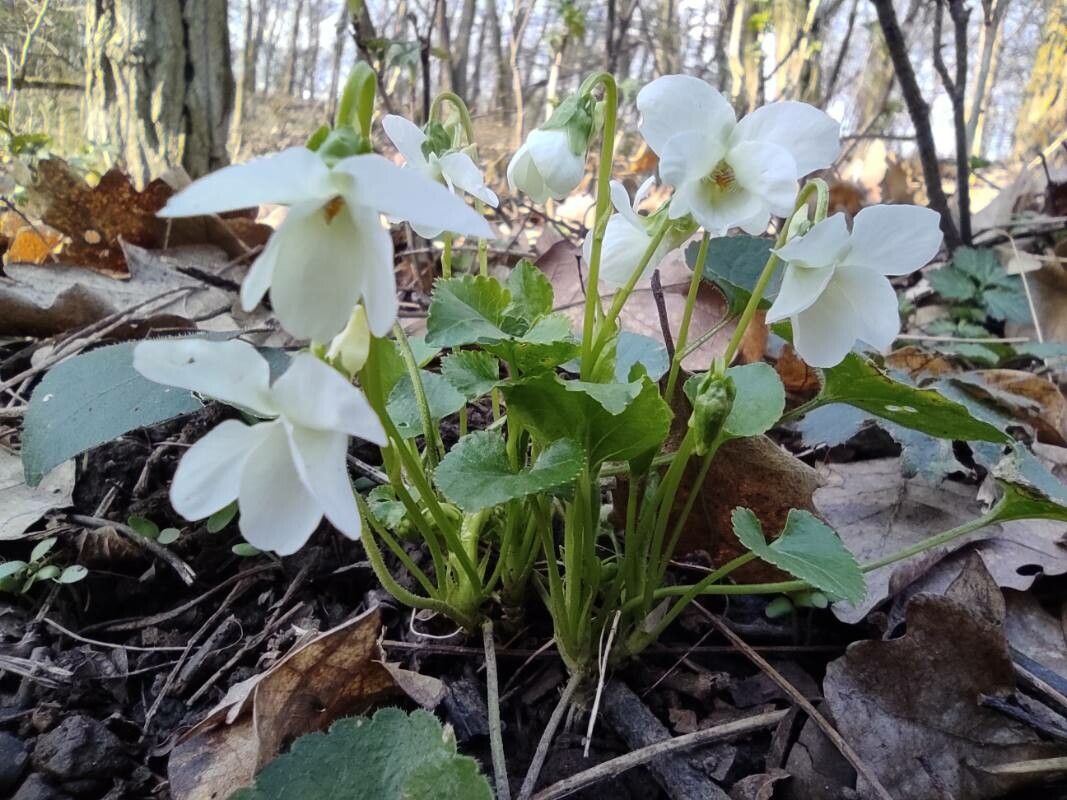
Hey there, fellow plant lovers! It’s so good to have you join me today. We’re diving into the delightful world of Viola alba, also known as the white violet. If you’re a fan of those delicate, often sweetly scented white blooms that pop up in shady corners, then you’re in luck! Propagating these little beauties is a truly rewarding experience. You get to watch new life emerge from just a tiny piece of the parent plant. And let me tell you, for beginners, the Viola alba is quite forgiving. You’ll likely have success with a little patience and the right approach.
The Best Time to Start
For Viola alba, the sweet spot for propagation is late spring to early summer. This is when the plant is actively growing and has plenty of energy to put into new root development. You’re looking for those fresh, non-flowering shoots that are still a bit tender but not entirely floppy. Think of it as catching the plant at its most vigorous.
Supplies You’ll Need
Gathering your tools beforehand makes the whole process smoother. Here’s what I recommend:
- Sharp pruning shears or a clean knife: For taking neat cuttings.
- Rooting hormone (optional but recommended): Helps to encourage faster root formation.
- A well-draining potting mix: I prefer a blend of equal parts perlite and peat moss, or even a seed-starting mix. The key is good aeration.
- Small pots or seed trays: Clean ones are a must to prevent disease.
- Watering can with a fine rose attachment: For gentle watering.
- Plastic bags or a propagation dome: To create a humid environment.
- Labels and a marker: To keep track of your propagated plants!
Propagation Methods
Let’s get our hands dirty! For Viola alba, I find two methods work wonders:
Stem Cuttings
This is my go-to method for Viola alba. It’s efficient and usually yields great results.
- Select your cuttings: Look for healthy, non-flowering shoots that are about 4-6 inches long. Gently pull or cut them from the parent plant, making sure each cutting has at least two or three sets of leaves.
- Prepare the cuttings: Remove the lower leaves, leaving just a couple at the top. This helps prevent rot when they’re in the soil. If your cuttings are a bit long, you can pinch off the very tip to encourage bushier growth later.
- Apply rooting hormone (if using): Dip the cut end of each stem into your rooting hormone. Tap off any excess.
- Plant the cuttings: Gently insert the treated end of each cutting into your prepared, moistened potting mix. Make sure the leaf nodes (where the leaves were removed) are pushed just below the surface. This is where the roots will emerge.
- Create humidity: Water the pots gently to settle the soil. Then, cover the pots with a plastic bag or place them under a propagation dome. Make sure the plastic doesn’t touch the leaves.
- Provide light and warmth: Place the pots in a bright spot that receives indirect sunlight. Avoid direct sun, which can scorch the delicate cuttings. Moderate warmth is beneficial, so a sunny windowsill or a heated propagation mat can be helpful.
Division
If your Viola alba has formed a nice clump, division is a simple and quick way to get more plants.
- Gently unearth the plant: In late spring or early summer, carefully dig up the entire clump of Viola alba.
- Separate the divisions: Look for natural breaks in the root system. You can use your fingers or a clean knife to gently pull or cut the clump into smaller sections. Each section should have healthy roots and at least one or two shoots.
- Replant immediately: Pot up each division into its own container with fresh, well-draining soil. Water thoroughly.
The “Secret Sauce” (Pro Tips)
Here are a couple of things I’ve learned over the years that can really boost your success:
- Don’t let the leaves touch anything wet for too long! Especially with cuttings, if leaves are sitting in water or constantly soggy soil, they’re prone to rotting before roots can even form. The plastic bag should create a humid microclimate, but the leaves themselves need to breathe and stay relatively dry.
- Consider bottom heat for cuttings. While not strictly necessary, providing a little gentle warmth from below (like a seedling heat mat) can significantly speed up the rooting process. It mimics the warmth of spring soil and really encourages those roots to take off.
Aftercare & Troubleshooting
Once you see signs of new growth – tiny new leaves unfurling or resistance when you gently tug on a cutting – that’s your cue!
- Gradually acclimate: If you used a plastic bag or dome, start opening it up for increasing periods each day over a week to help the new plant adjust to normal humidity.
- Watering: Keep the soil consistently moist but not waterlogged. Overwatering is the quickest way to invite trouble.
- Repotting: Once your propagations have a good root system and look sturdy, you can transplant them into larger pots or their permanent garden location.
Now, what if things don’t go as planned? The most common issue is rot. If your cuttings turn black and mushy, it’s a sign of too much moisture and not enough air circulation. You might need to adjust your watering or ensure your potting mix is more free-draining. Sometimes, cuttings simply fail to root; that’s just part of the learning curve. Don’t get discouraged; just try again!
Propagating Viola alba is a wonderful way to multiply your existing plants and share them with friends. Be patient with the process, observe your new little plants closely, and most importantly, enjoy the magic of watching them grow. Happy gardening!
Resource:
https://identify.plantnet.org/k-world-flora/species/Viola%20alba%20Besser/data