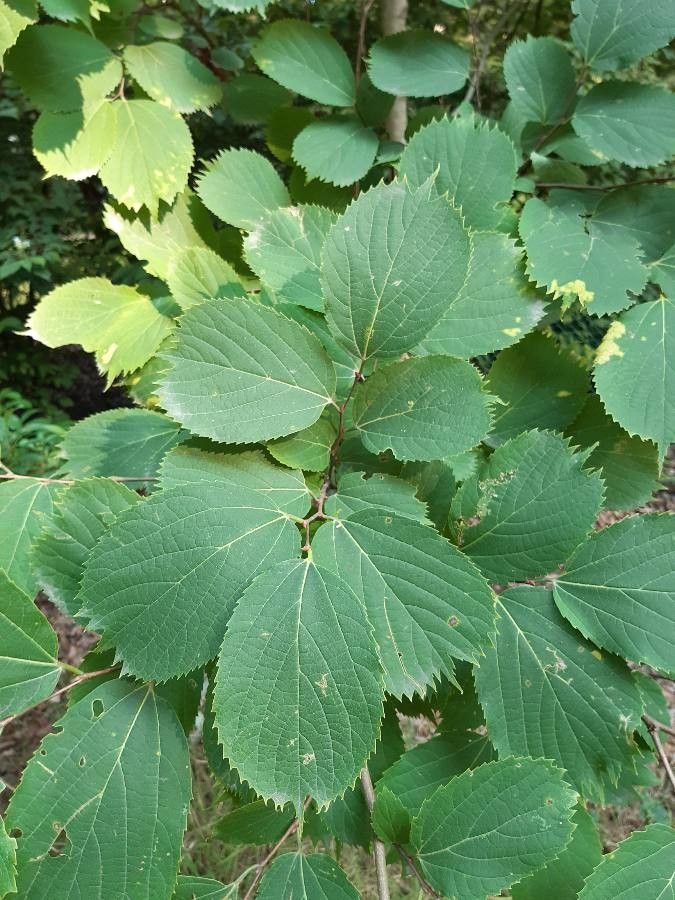
Hello there, fellow plant enthusiasts! Today, I want to chat about a tree that holds a special place in my heart: the stunning Celtis koraiensis, or Korean Hackberry. If you’ve ever admired its graceful form, its beautiful textured bark, or the lovely shade it casts, you’ll know why I find it so captivating. And guess what? Propagating your own Korean Hackberry from cuttings is surprisingly rewarding and, dare I say, not as intimidating as you might think for a beginner! It’s a fantastic way to get more of these beauties into your life or to share them with friends.
The Best Time to Start
For the highest success rates with Celtis koraiensis, I find late spring to early summer, just as the plant is in a vigorous growth spurt, is your sweet spot. You’re looking for stems that are semi-hardwood – they’re not brand new and bendy, but they’re not old and woody either. Think of it as that perfect stage between soft and hard growth.
Supplies You’ll Need
Gathering your tools beforehand makes the whole process smoother. Here’s what I recommend:
- Sharp Pruning Shears or a Craft Knife: Clean cuts are essential for good rooting.
- Rooting Hormone: This is a game-changer! Look for a powder or gel specifically for hardwood or semi-hardwood cuttings.
- Small Pots or Seedling Trays: With good drainage holes, of course.
- Potting Mix: A well-draining mix is crucial. I like to use a blend of peat moss, perlite, and a bit of compost for good aeration and moisture retention.
- Plastic Bags or a Propagator: To create a humid environment.
- Watering Can or Spray Bottle: For gentle watering.
- Marker and Labels: To keep track of what you’ve planted!
Propagation Methods: The Magic of Cuttings
I’ve found that stem cuttings are the most reliable method for Celtis koraiensis. It’s a tried-and-true technique that consistently gives me good results.
- Taking the Cuttings: Using your sharp shears or knife, select healthy, actively growing shoots. Aim for cuttings that are about 6-8 inches long. Make your cut just below a leaf node – that’s the little bump where a leaf attaches to the stem. This is where the magic happens for rooting.
- Preparing the Cuttings: Gently remove the lower leaves from your cuttings, leaving a few at the top. This helps prevent rot and conserves energy. If the remaining leaves are very large, you can even cut them in half horizontally.
- Applying Rooting Hormone: Dip the cut end of each cutting into your rooting hormone. I usually tap off any excess so I don’t have too much clumping.
- Planting the Cuttings: Fill your pots or trays with your prepared potting mix. Make a small hole in the center of the soil with a pencil or your finger, and insert the rooting-hormone-coated end of the cutting. Gently firm the soil around the stem to ensure good contact.
- Creating Humidity: Water the soil gently. Then, cover the pots with a clear plastic bag to create a mini-greenhouse effect. You can prop the bag up with stakes so it doesn’t touch the leaves. Alternatively, use a propagator with a lid.
The “Secret Sauce” (Pro Tips)
Now, for a couple of things I’ve learned over the years that can really boost your success:
- Bottom Heat is Your Friend: If you have a heat mat designed for seedling propagation, placing your pots on it can make a huge difference. Warmer soil encourages faster root development. Even a sunny windowsill with a bit of warmth can help, but a dedicated heat mat is ideal.
- Water Wisely, Not Too Much: While these cuttings need moisture, soggy soil is a death sentence. Ensure your potting mix drains well, and only water when the top inch of soil feels dry to the touch. Overwatering is the most common mistake, leading to rot.
Aftercare & Troubleshooting
Once your cuttings are planted and set up, be patient! Keep them in a bright location, but out of direct, harsh sunlight. The humidity you’ve created is crucial for preventing the cuttings from drying out while they develop roots.
You’ll know your cuttings are rooting when you see new leaf growth or feel a gentle resistance when you lightly tug on the stem. This can take anywhere from 4 to 8 weeks, sometimes longer, so don’t despair if it takes a while.
The most common sign of failure you’ll encounter is rot. If a cutting turns black and mushy, it’s unfortunately a goner. This is usually due to overwatering or poor drainage. Don’t be discouraged; just clear out the affected pot and try again, paying close attention to your watering and soil aeration.
A Little Bit of Patience Goes a Long Way
Propagating Celtis koraiensis is a journey, and like any good garden endeavor, it requires a little patience. Watching those tiny roots form and eventually seeing a new little tree emerge is one of the most satisfying feelings. So grab your tools, get your hands dirty, and enjoy the process. Happy propagating!
Resource:
https://identify.plantnet.org/k-world-flora/species/Celtis%20koraiensis%20Nakai/data