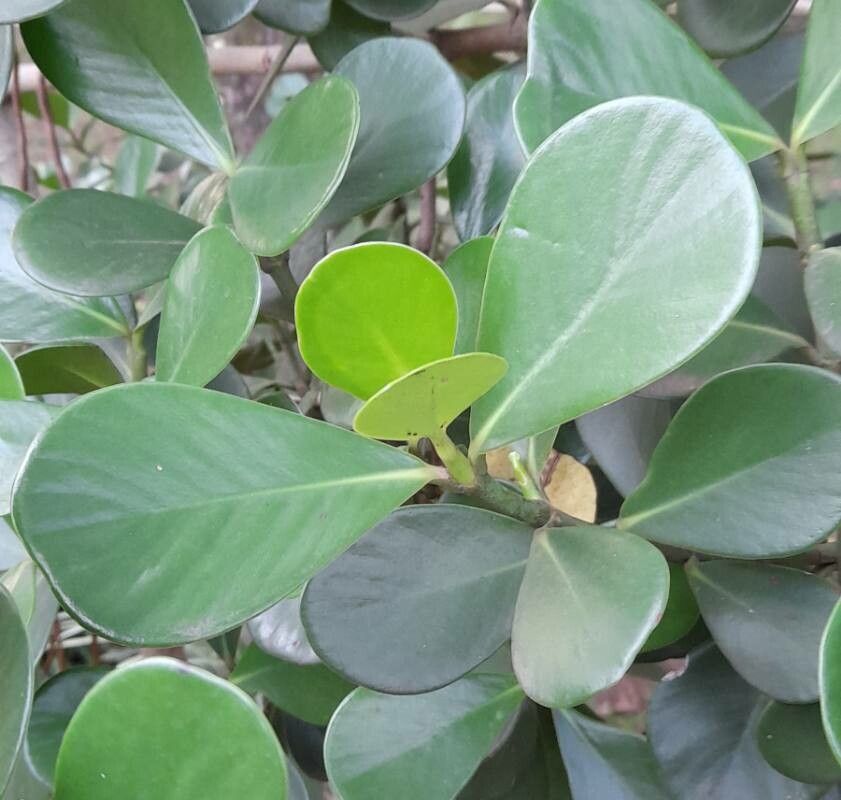
Oh, Clusia criuva! What a gorgeous plant to have gracing your home or garden. Those thick, glossy leaves have such a bold architectural presence, don’t they? And the best part? Bringing new ones to life yourself feels like unlocking a little bit of plant magic. If you’re looking to expand your collection or share this beauty with friends, propagating Clusia criuva is absolutely doable. It’s one of those plants that’s generally pretty forgiving, making it a wonderful project for beginners and seasoned gardeners alike.
The Best Time to Start
When it comes to getting the best results, think spring and early summer. This is when your Clusia is actively growing and has plenty of energy to put into developing new roots. You can often take cuttings even into late summer, but the warmer, sunnier days of spring give your new plants the best head start.
Supplies You’ll Need
Here’s what I like to have on hand for a successful propagation session:
- Sharp pruning shears or a clean knife: For making clean cuts that heal well.
- Rooting hormone (optional but helpful): Especially for stem cuttings, this can give an extra boost.
- Well-draining potting mix: A mix of perlite, peat moss, and a good quality potting soil works wonders. Or, you can use a cactus and succulent mix.
- Small pots or seed trays: With drainage holes, of course!
- Plastic bags or a propagator: To create a humid environment.
- Water: For cleaning tools and watering.
- Spray bottle: For fine misting.
Propagation Methods
Clusia criuva is a champion at propagating, and I find two methods work best:
Stem Cuttings
This is my go-to for Clusia.
- Take a cutting: Look for a healthy stem that’s at least 4-6 inches long. Using your clean shears or knife, make a clean cut just below a leaf node (where a leaf attaches to the stem). Remove the lower leaves from the cutting, leaving just a few at the top.
- Apply rooting hormone (optional): Dip the cut end into rooting hormone, tapping off any excess.
- Pot it up: Fill your small pot with the well-draining potting mix. Make a hole in the center with your finger or a pencil. Gently insert the cut end of the Clusia stem into the hole, ensuring the leaf nodes are below the soil surface. Firm the soil around the stem.
- Water and create humidity: Water the soil thoroughly until it drains from the bottom. Then, cover the pot with a plastic bag secured with a rubber band, or place it inside a propagator. This traps humidity, which is crucial for root development.
Water Propagation
This is a fun one to watch!
- Prepare your cutting: Just like with stem cuttings, take a healthy stem cutting, making sure to remove the lower leaves.
- Place in water: Find a clean jar or glass. Fill it with room-temperature water and submerge the cut end of the stem, ensuring no leaves are touching the water.
- Find a good spot: Place the container in bright, indirect light. Change the water every few days to keep it fresh and prevent any bacterial growth. You’ll start to see little nubs forming at the leaf nodes, which will eventually develop into roots.
The “Secret Sauce” (Pro Tips)
Here are a couple of things I’ve learned over the years that make a big difference:
- Don’t get impatient with water propagation: When you have your cutting in water, you might be tempted to leave it until it has super long roots. However, I find that transplanting when the roots are about an inch long often leads to less transplant shock. It’s a sweet spot.
- Bottom heat is your friend: If you’re struggling with cuttings not rooting, or if your environment is a bit on the cooler side, consider using a seedling heat mat. Placing your pots on a gentle heat source can significantly speed up root formation. Just make sure it’s not too hot!
Aftercare & Troubleshooting
Once your cutting has developed a good root system – you’ll see roots emerging from the drainage holes, or the little guy will feel anchored when you gently tug on it if in water – it’s time for their permanent home.
- Transplanting: If you’ve propagated in water, gently pot your rooted cutting into your well-draining potting mix. Water it in well. If you’ve propagated directly in soil, you might not need to do much until it starts to really grow.
- Light and Water: Keep your new Clusia in bright, indirect light. Water thoroughly when the top inch or two of soil feels dry. Overwatering is the enemy here, and it’s the most common culprit for failure.
- Signs of Trouble: The most common issue you’ll encounter is rot. If the stem turns mushy and black, or the leaves start to yellow and drop dramatically, it’s often due to too much moisture and not enough airflow. If you catch it early, you might be able to salvage a healthy part of the stem, but usually, it’s a sign to start again. Yellowing leaves can also sometimes be a sign of under-watering, so always check the soil moisture first.
A Encouraging Closing
Remember, gardening is an adventure, and propagation is one of its most rewarding chapters. Be patient with your new Clusia cuttings. Some will take off faster than others, and that’s perfectly okay! Enjoy the process of nurturing these little life sprouts, and soon you’ll have a whole new generation of stunning Clusia criuva to admire. Happy propagating!
Resource:
https://identify.plantnet.org/k-world-flora/species/Clusia%20criuva%20Cambess./data