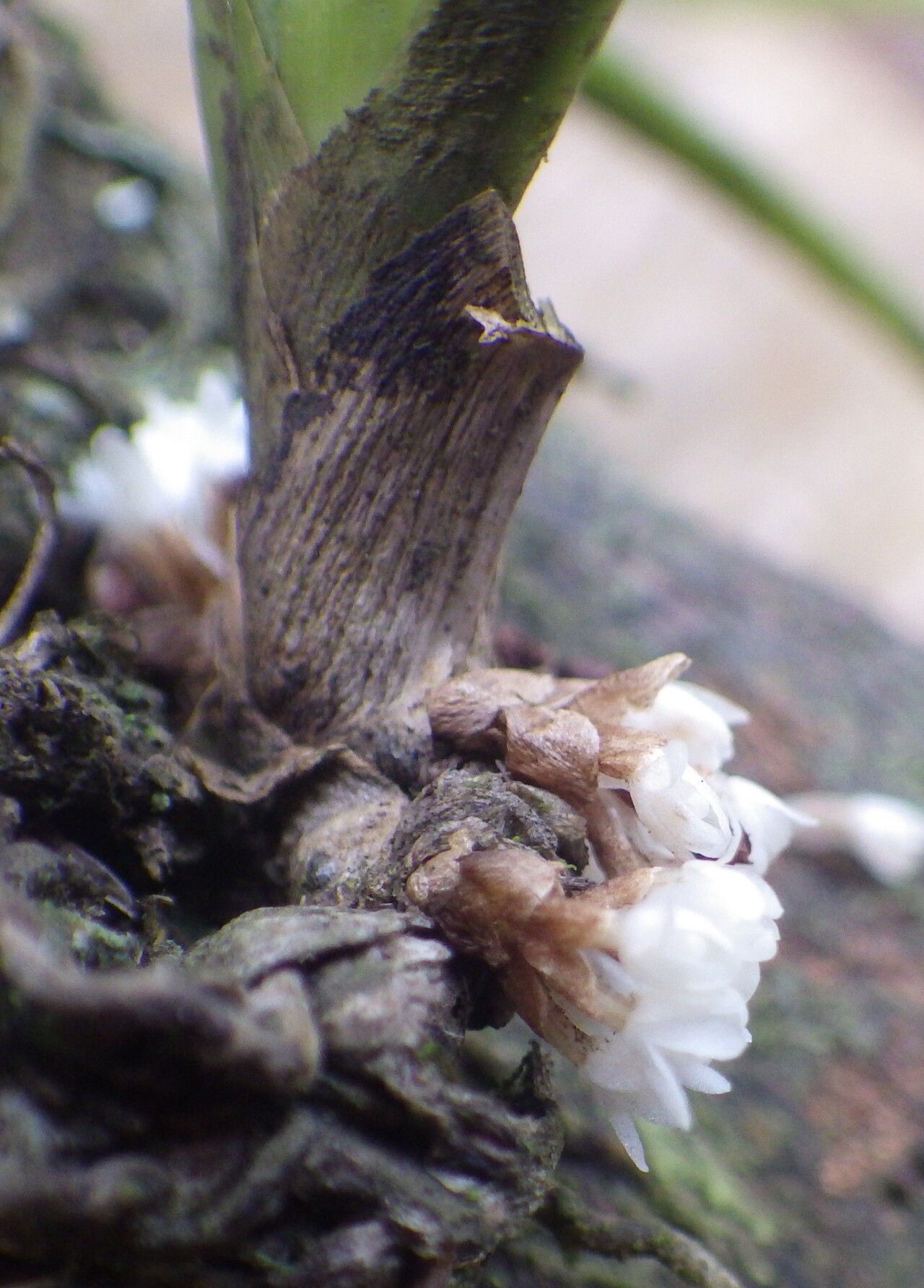
Oh, hello there! Welcome to my little corner of the garden. Today, we’re going to talk about a truly special orchid: Ancistrorhynchus straussii. If you’ve ever seen this beauty, you’ll know why I’m so smitten. Its delicate, often fragrant flowers are like tiny jewels, and watching them unfurl is just pure magic. And the best part? Growing more of them yourself is incredibly satisfying. Now, to be upfront, Ancistrorhynchus straussii isn’t quite a “stick it in the dirt and forget it” kind of plant. It requires a touch more attention, so if you’re still finding your green thumb, consider this a rewarding challenge rather than a beginner’s first step. But with a little patience and this guide, you’ll be well on your way!
The Best Time to Start
For Ancistrorhynchus straussii, it’s all about timing with its natural growth cycle. The absolute prime time to think about propagation is right after its blooming period, typically in the spring or early summer. This is when the plant is full of energy and ready to push out new growth. You want to catch it when it’s vigorously growing, not when it’s resting.
Supplies You’ll Need
Here’s what I always have on hand when I’m propagating:
- Sharp, sterile pruning shears or a clean knife: Essential for making clean cuts.
- Cinnamon or rooting hormone powder (optional but helpful): Cinnamon can act as a natural fungicide, and rooting hormone can give those new roots a little boost.
- A well-draining orchid mix: Something bark-based with perlite or charcoal works wonderfully. You don’t want anything that holds too much moisture.
- Small pots or trays: Terracotta pots are my favorite because they breathe.
- Clear plastic bags or domes: To create a humid environment.
- Spray bottle: For misting.
- Labels and a permanent marker: Trust me, you’ll thank yourself later!
Propagation Methods
While there are a few ways to go about it, division is usually the most successful for Ancistrorhynchus straussii. They tend to grow in clumps, and separating these clumps is a natural way to get new plants.
Method: Division
This is like giving your orchid a refreshing haircut!
- Gently remove the orchid from its pot. You might need to carefully loosen the edges with a knife if it’s really stuck.
- Carefully tease away as much of the old potting mix as you can. Get a good look at the root system. You’re looking for natural divisions – sections of the plant where there are a good number of healthy roots and at least a couple of pseudobulbs (those swollen stem sections).
- Using your sterile shears or knife, carefully cut the plant into smaller sections. Aim for divisions that have at least 2-3 pseudobulbs and a healthy root mass. It’s better to have too many pseudobulbs than too few.
- Inspect the cut surfaces. If there’s any sign of rot (mushy, dark areas), trim away the infected bits. You can dust the cut surfaces with cinnamon or a rooting hormone if you like.
- Pot up your new divisions. Use your well-draining orchid mix. Plant them so the base of the pseudobulbs is just at or slightly above the surface of the mix. Make sure they’re snug but not overly compacted.
- Place the potted divisions in a humid environment. This is where those clear plastic bags or domes come in handy. You want to trap moisture around the plant. Poke a few small holes in the bag for airflow.
The “Secret Sauce” (Pro Tips)
Over the years, I’ve learned a few tricks that really make a difference:
- Don’t overwater, even in the bag! While humidity is key, soggy roots are the quickest way to disaster. Let the mix dry out slightly between waterings. It’s more about consistent moisture than soaking.
- Bottom heat is your friend. If you have a seedling heat mat, placing your pots on it can significantly speed up root development. Orchids love warmth at their roots, just like they do in their natural habitat.
- Patience with the potting mix. For these newly divided plants, I often use a finer grade of orchid bark initially. It holds that bit more moisture without becoming waterlogged, which is perfect for encouraging those first tender roots to emerge.
Aftercare & Troubleshooting
Once your divisions are potted, keep them in bright, indirect light and maintain that high humidity. Mist them lightly every few days, or when the surface of the potting mix feels dry. You’re looking for new root growth to emerge from the base of the pseudobulbs. This can take several weeks, so don’t get discouraged if you don’t see immediate results!
The most common problem you’ll encounter is rot. If you see a pseudobulb turning mushy and black, it’s usually a sign of too much moisture and poor air circulation. If it’s just one section, you can try cutting it away from the healthy part. If the whole division is affected, sadly, it’s usually best to compost it and learn from the experience. Another sign to watch for is wilting pseudobulbs that remain limp and don’t plump up – this can indicate the roots aren’t establishing.
A Encouraging Closing
There you have it! Propagating Ancistrorhynchus straussii is a journey, not a race. Celebrate the small victories – a new root tip, a swelling pseudobulb. Be patient with yourself and your new plants. The reward of watching a tiny division grow into a magnificent blooming orchid is absolutely worth every bit of effort. Happy growing!
Resource: