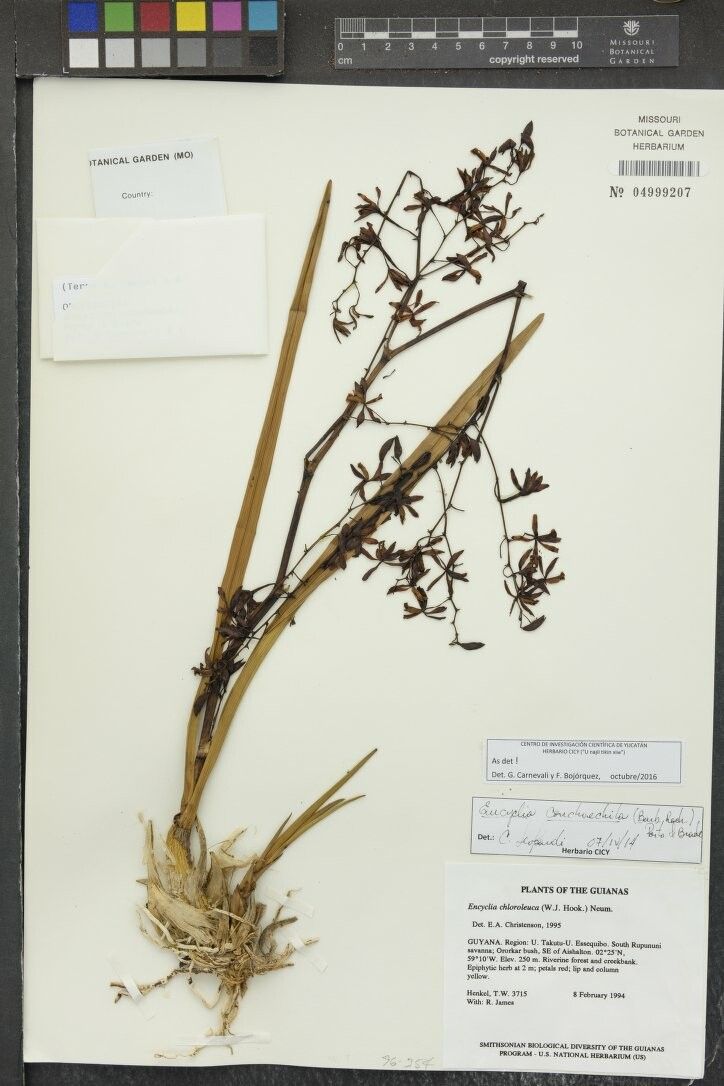
Hello fellow plant lovers! It’s such a joy to share my passion for gardening with you all. Today, we’re diving into the wonderful world of Encyclia cochleata, sometimes called the Cockleshell Orchid. If you’ve ever admired its unique, almost alien-like blooms – that striking, dark labellum that looks like a seashell peeking out from its petals – you’re not alone! This orchid is a true conversation starter, and successfully propagating your own is incredibly rewarding. Now, if you’re new to orchid propagation, Encyclia cochleata is a pretty rewarding plant to start with. It’s not overly finicky, which is always a good sign for beginners.
The Best Time to Start
For Encyclias, I find the spring and early summer are your golden ticket. This is when the plant is actively growing after its rest period, and it’s bursting with energy. You’ll see new pseudobulbs forming and the plant is generally more robust, making it more resilient to the propagation process. Wait until you see a good amount of new growth – that’s your cue!
Supplies You’ll Need
Having your supplies ready makes the whole process much smoother. Here’s what I always have on hand:
- Sharp, sterilized pruning shears or a clean knife: Seriously, clean is key to prevent infections.
- Cinnamon powder or a fungicide: A little dusting helps ward off any nasty mold or rot.
- Orchid bark mix: A coarse, well-draining mix is essential. I usually use a mix of medium-grade bark, perlite, and a bit of charcoal.
- Small pots or seed trays: Whatever you plan to pot your new babies into.
- Rooting hormone (optional, but helpful): Especially for divisions, this can give them a nice boost.
- Watering can with a fine spray: Gentle watering is very important.
- Labels and a permanent marker: Don’t forget to label your new plants!
Propagation Methods
Now, let’s get to the fun part! For Encyclia cochleata, division is by far the most common and successful method.
Division
This is how we’ll be splitting up your established Encyclia.
- Gently remove the plant from its pot. If it’s been in the same pot for a while, you might need to loosen the roots around the edges.
- Carefully clean away as much of the old potting medium as you can. This helps you see the rhizome – the thick, woody stem that connects the pseudobulbs.
- Inspect the rhizome for natural growth points. You’re looking to separate sections that have at least two or three healthy pseudobulbs and some good roots.
- Using your sterilized shears or knife, cut through the rhizome. Make a clean cut, ensuring each new section has plenty of healthy roots attached. Don’t be afraid to trim any excessively long or mushy roots.
- Dust the cut surfaces with cinnamon powder or fungicide. This is a crucial step to prevent rot. Let the divisions sit for a day or two in a dry, airy place to allow the cuts to callus over a bit.
- Pot up each division into its own small pot. Use your well-draining orchid bark mix. Make sure the roots are spread out and the base of the pseudobulbs is just above the surface of the medium.
The “Secret Sauce” (Pro Tips)
Over the years, I’ve learned a few tricks that seem to make a world of difference.
- When you’re potting up divisions, I always avoid burying the pseudobulbs too deeply in the bark. They need good air circulation to prevent rot. The top of the pseudobulb should be right at or just slightly above the mix.
- For the first week or two after dividing, I keep the new divisions in a shadier spot than their parent plant. This reduces stress while they are re-establishing.
- Bottom heat can be a real game-changer, especially if your home is a bit on the cooler side. Placing the pots on a seedling heat mat (on a low setting) can really encourage root development.
Aftercare & Troubleshooting
Once your divisions are potted, don’t bombard them with attention!
- Watering: Water sparingly at first. You want the potting medium to dry out between waterings. A good rule of thumb is to water when the oldest pseudobulbs start to look slightly wrinkled. Mist the leaves lightly in the morning, but avoid letting water sit in the crown of the pseudobulbs.
- Light: Indirect bright light is best. Too much direct sun will scorch those new leaves.
- Patience is your best friend! It can take several weeks, sometimes even a couple of months, to see significant new growth and active root development.
The most common problem you’ll encounter is rot. If you see a pseudobulb turning black and mushy, it’s usually a sign of overwatering or an infection. If it’s localized, you can try to cut away the affected part with a sterile knife and dust with cinnamon. If the whole division seems to be going downhill, unfortunately, it might be time to let it go. But don’t get discouraged! Every gardener has their sad plant stories.
A Encouraging Closing
Propagating Encyclia cochleata is a journey, not a race. It’s a fantastic way to expand your orchid collection and share the beauty of these fascinating plants with friends and family. Be patient, observe your new plants closely, and celebrate every new root and leaf. Happy propagating!
Resource: