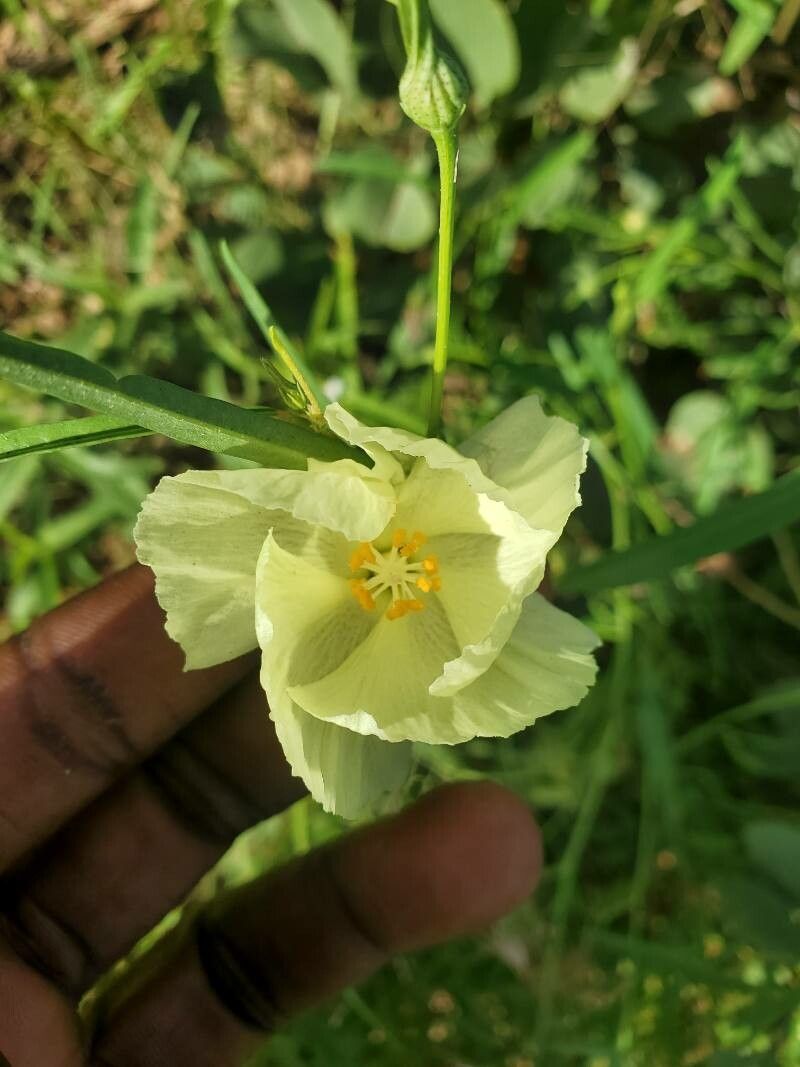
Oh, hello there! Grab a mug of your favorite beverage, pull up a chair, and let’s chat about one of my absolute favorites: Cienfuegosia digitata, or as some of us affectionately call it, the “Pink Sky Flower.” This beauty, with its delicate, hibiscus-like blossoms in shades of vibrant pink and apricot, truly brings a splash of joy to any garden.
The Magic of Making More
There’s something incredibly satisfying about coaxing a brand new plant into existence from a tiny piece of an existing one. It’s like a little gardening superpower! And with Cienfuegosia digitata, it’s a wonderfully rewarding endeavor. Now, for beginners, I won’t sugarcoat it: this one can be a tad more challenging than, say, a succulent. But with a little patience and a few key tricks, you’ll be well on your way to success. Don’t let that deter you; think of it as a delightful learning curve!
The Best Time to Start
When it comes to propagation, timing is everything. For Cienfuegosia digitata, the sweet spot is usually during the late spring or early summer. This is when the plant is actively growing and has plenty of energy to put into developing new roots. Look for stems that are developing but aren’t too woody yet – think semi-hardwood cuttings. Avoid taking cuttings from flowering stems; we want all that energy going into roots, not flowers!
Supplies You’ll Need
Before we dive in, let’s gather our tools. A well-prepared workspace makes all the difference!
- Sharp Pruning Shears or a Clean Knife: For making clean cuts.
- Rooting Hormone Powder or Gel: This helps jumpstart root development (optional but highly recommended!).
- A Well-Draining Potting Mix: I like a blend of perlite and peat moss or coco coir. A good commercially available seedling mix works well too.
- Small Pots or Seedling Trays: Clean ones are crucial to prevent disease.
- Plastic Bags or a Propagation Dome: To create a humid environment.
- A Spray Bottle: For misting.
- Labels and a Marker: To keep track of your cuttings.
Propagation Methods: Stem Cuttings
This is generally the most successful route for Cienfuegosia digitata.
- Take Your Cuttings: Select a healthy stem that’s about 4-6 inches long. Using your sharp shears, make a clean cut just below a leaf node (where the leaf attaches to the stem).
- Prepare the Cuttings: Gently remove the lower leaves, leaving just a couple of leaves at the top. If the remaining leaves are quite large, you can cut them in half horizontally to reduce water loss.
- Apply Rooting Hormone: Dip the cut end of the stem into your rooting hormone. Tap off any excess.
- Plant Your Cuttings: Fill your clean pots with your prepared potting mix. Make a small hole with your finger or a pencil, and insert the cutting, ensuring the leaf nodes are buried. Gently firm the soil around the stem.
- Water and Cover: Water the soil gently so it’s evenly moist but not soggy. Then, cover the pot with a plastic bag or place it under a propagation dome to maintain high humidity. You can prop the bag up with a stake or two so it doesn’t touch the leaves.
The “Secret Sauce” (Pro Tips)
Here are a few little nuggets I’ve learned over the years that can really boost your success:
- Bottom Heat is Your Friend: If you have a seedling heat mat, placing your pots on it can make a huge difference. This gentle warmth encourages root formation from below, mimicking ideal soil conditions.
- Don’t Let the Leaves Touch the Water (if water propagating): While stem cuttings are my go-to, some people try water propagation. If you do, crucially, ensure that no leaves are submerged. Only the cut stem should be in the water. Otherwise, those leaves will rot, and your cutting will be a goner.
- Patience with the Hormone: Even with rooting hormone, roots can take time to develop. Resist the urge to tug on your cuttings to check for roots too soon! It can take anywhere from 4 to 8 weeks, sometimes even longer, depending on conditions.
Aftercare & Troubleshooting
Once you see new growth appearing on your cuttings, that’s a good sign that roots are forming! Gradually start to acclimate your new plant to normal humidity by opening the bag a little more each day or lifting the dome for longer periods. Water as needed, keeping the soil consistently moist but avoiding waterlogging.
The most common culprit for failure is rot, often caused by too much moisture and poor air circulation. If your cutting looks slimy, discolored, or limp, it’s likely succumbed to rot. Don’t be disheartened; it happens to the best of us! Remove any affected cuttings promptly to prevent it from spreading. Another sign of trouble is a wilting cutting that never seems to perk up – this could indicate a lack of rooting or even disease.
Keep Growing!
See? It’s a process, but a wonderfully rewarding one. Remember, gardening is a journey, and every effort, even the ones that don’t quite pan out, teaches us something valuable. Be patient with your little Cienfuegosia digitata cuttings, give them the care they need, and before you know it, you’ll have a whole cluster of these enchanting Pink Sky Flowers to admire and share. Happy propagating!
Resource:
https://identify.plantnet.org/k-world-flora/species/Cienfuegosia%20digitata%20Cav./data