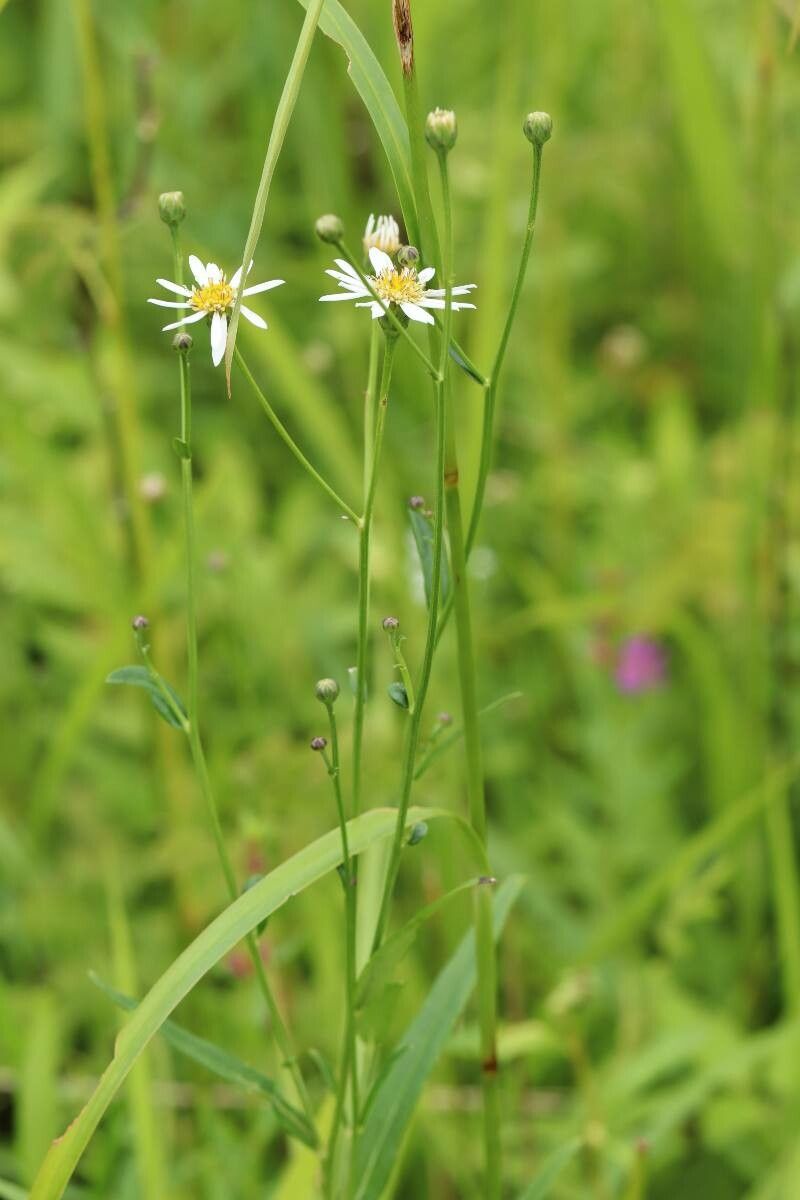
Hello fellow garden lovers! Today, we’re diving into the wonderful world of propagating Aster rugulosus. If you’ve ever admired those charming, star-shaped blooms that seem to sparkle in the late-season sun, you’re in for a treat. Bringing more of these beauties into your garden is incredibly rewarding, and I’m here to show you just how achievable it is. Don’t worry if you’re new to propagation; Aster rugulosus is quite forgiving, making it a delightful plant for beginners to try their hand at.
The Best Time to Start
For the highest success rate with Aster rugulosus, late spring to early summer is your sweet spot. This is when the plant is actively growing, and its stems are young and vigorous. You’ll want to look for new growth that hasn’t started to flower or become woody. Taking cuttings during this period ensures they have plenty of energy to root.
Supplies You’ll Need
Get ready with these handy items:
- Sharp pruning shears or a clean knife: Essential for making clean cuts.
- Rooting hormone (optional but recommended): Speeds up root development.
- Well-draining potting mix: A good blend of perlite, vermiculite, and peat moss works wonders. You can also buy a specific “seed starting” or “cutting mix.”
- Small pots or trays: With drainage holes!
- Plastic bags or a propagator: To create a humid environment.
- Watering can or spray bottle: For gentle watering.
- Labels: To keep track of your new plants.
Propagation Methods
Let’s get our hands dirty! Here are a couple of reliable ways to multiply your Aster rugulosus:
Stem Cuttings
This is often the easiest and most effective method for Aster rugulosus.
- Take Your Cuttings: Using your clean shears, snip off healthy, non-flowering stems. Aim for cuttings that are about 4-6 inches long.
- Prepare the Cuttings: Remove the lower leaves from the bottom half of each cutting. If there are any flower buds, pinch them off. This energy is better spent on root production.
- Apply Rooting Hormone: Dip the cut end of each stem cutting into rooting hormone powder (if you’re using it). Tap off any excess.
- Plant the Cuttings: Moisten your potting mix gently. Make a small hole in the mix with a pencil or your finger, and insert the cutting about 1-2 inches deep. Firm the soil gently around it.
- Create Humidity: Water the pot lightly. Then, cover the pot with a clear plastic bag, creating a mini-greenhouse. You can also use a propagator lid. Make sure the leaves don’t touch the plastic if possible.
- Provide Light and Warmth: Place the pots in a bright location out of direct sunlight. A warm spot is ideal.
Division
Once your aster plants are well-established and have grown into clumps, division is another fantastic way to propagate.
- Unearth the Plant: In spring or fall, carefully dig up your mature aster plant. Try to disturb the roots as little as possible.
- Inspect and Divide: Gently shake off excess soil. You’ll see the clump is made of several smaller sections. Using your hands or a clean trowel, carefully pull or cut the clump into smaller divisions. Each division should have a good portion of roots and at least a few healthy shoots.
- Replant: Immediately replant the divisions into your prepared garden beds or pots. Water them thoroughly.
The “Secret Sauce” (Pro Tips)
Here are a couple of little tricks that have served me well over the years:
- Don’t drown your cuttings: While humidity is key, you don’t want soggy soil. If you see water pooling at the bottom of the pot after watering, that’s too much. Let the surface of the soil dry out slightly between waterings.
- Bottom heat is your friend: If you’re serious about propagation, a heating mat placed under your pots can significantly speed up rooting. It mimics the warmth of spring soil and gives those roots a real encouragement to emerge.
Aftercare & Troubleshooting
Once your cuttings start showing signs of life – you might see tiny new leaves appearing at the top – it’s time to transition them.
- Acclimate: Gradually remove the plastic bag for increasing periods over a week to allow the new plants to adjust to normal humidity.
- Watering: Continue to water gently, ensuring the soil stays evenly moist but not waterlogged.
- Transplanting: When the roots are well-established (you can check by gently tugging on the plant, or if roots are visible through the drainage holes), you can transplant them into slightly larger pots or their final garden location.
The most common issue you’ll encounter is rot. This usually happens from overwatering or poor drainage. If you see your cuttings turning mushy or black at the base, it’s likely rot. Unfortunately, there’s not much you can do once that sets in, so prevention through good drainage and mindful watering is your best bet.
A Little Patience Goes a Long Way
Propagating plants is a journey, and sometimes a slow one. Don’t get discouraged if your first attempts aren’t perfect. Celebrate each new root, each tiny sprout. With a little practice and these tips, you’ll soon be enjoying a proliferation of beautiful Aster rugulosus gracing your garden. Happy propagating!
Resource:
https://identify.plantnet.org/k-world-flora/species/Aster%20rugulosus%20Maxim./data