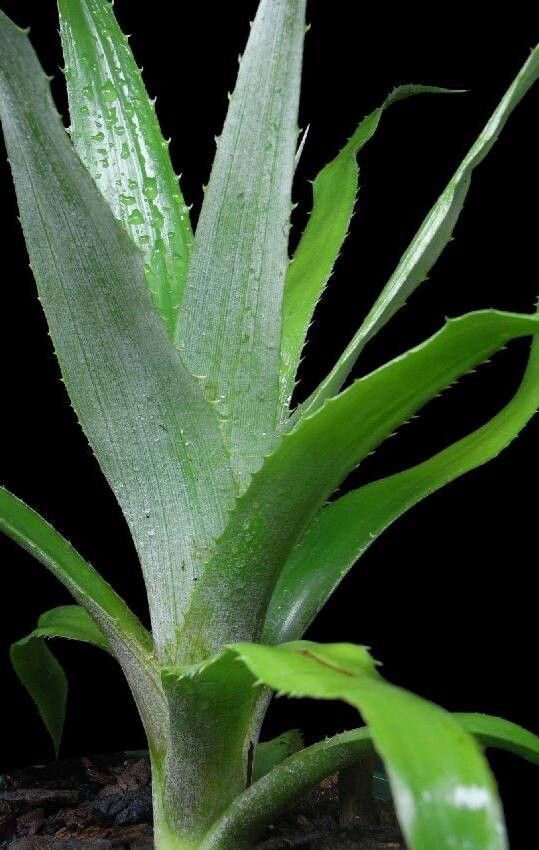
Oh, Aechmea mcvaughii! What a stunner. If you’re a fan of striking bromeliads, you’re going to fall in love with this one. Its architectural form and those vibrant, often colorful, flowers are just breathtaking. And the best part? Sharing this beauty with others or simply expanding your own collection by propagating it is incredibly satisfying. Now, for the honest truth: Aechmea mcvaughii might not be the absolute easiest plant for a complete beginner to propagate, but don’t let that deter you! With a little patience and a few key techniques, you’ll be well on your way to success.
The Best Time to Start
My favorite time to dive into propagating Aechmea mcvaughii is during its active growing season. Think late spring through summer. This is when the plant is bursting with energy and has the best chance of producing healthy offsets, also known as pups. You’ll usually see these little beauties emerge from the base of the parent plant after it has bloomed.
Supplies You’ll Need
To give your mcvaughii propagation the best start, gather these essentials:
- Sharp, clean pruning shears or a knife: Sterilize them with rubbing alcohol to prevent disease.
- Well-draining potting mix: A good blend for bromeliads works wonders. I often use a mix of orchid bark, perlite, and a bit of coco coir.
- Small pots or containers: Whatever you choose, make sure they have drainage holes.
- Rooting hormone powder (optional but recommended): This can give your pups an extra boost.
- Watering can with a fine rose or spray bottle: Gentle watering is key.
- A warm spot: Some gentle warmth can really speed things up.
- Patience! This is the most important tool of all.
Propagation Methods
There’s one primary, and highly effective, method for propagating Aechmea mcvaughii: division of pups.
- Identify the Pups: Look for those new little plants, the pups, growing at the base of the mature, bloomed-out Aechmea mcvaughii. They’ll have their own tiny leaves and might even have started to develop their own root system.
- Wait for Them to Grow: It’s best to wait until a pup is at least a quarter of the size of the mother plant, or ideally, has one-third to one-half the number of leaves. This usually means they’ve developed a decent root system of their own.
- Gently Remove the Pup: Carefully dig around the base of the pup with your fingers or a blunt tool. You want to expose where it connects to the mother plant. Once you see the connection, use your sterilized pruning shears or knife to cleanly cut the pup away from the parent. Try to include as many of its roots as possible. If the pup is still quite small and doesn’t have many roots, that’s okay, but it will take a bit longer to establish.
- Allow the Cut End to Callus: This is a crucial step! Before you plant your pup, let it sit out in a dry, shaded spot for 24-48 hours. This allows the cut surface to dry and form a callus, which helps prevent rot.
- Potting Up: Fill your small pot with your well-draining bromeliad mix. You can lightly dip the callused end of the pup into rooting hormone powder if you’re using it. Then, plant the pup in the pot, burying the base a little, just enough to keep it upright.
- Initial Watering: Water very lightly. You don’t want to soak the soil, just moisten it. The pup needs to establish roots before it can handle a lot of moisture.
The “Secret Sauce”
Here are a couple of things I’ve learned over the years that make a big difference:
- Don’t Overwater, Ever! This is the golden rule for bromeliads, and especially for their young ones. The soil should be barely moist when you first pot them. Too much water is the quickest way to rot those tender new roots you’re trying to encourage. I often mist the surface lightly for the first week or two.
- A Little Warmth Goes a Long Way: While direct sun is a no-no, placing your newly potted pups in a warm spot (around 70-80°F or 21-27°C) can really help stimulate root development. A heat mat designed for seedlings is fantastic for this, but just a warm windowsill in a brightly lit room is often sufficient.
Aftercare & Troubleshooting
Once you’ve potted your pup, keep it in bright, indirect light. Continue to water sparingly. You’ll know your pup is happy and growing roots when you see new leaf growth emerging from the center. This can take anywhere from a few weeks to a couple of months.
The most common problem you’ll encounter is rot. If you notice the pup turning mushy, black, or just looking generally unhappy and not sending up new growth, it’s likely too much moisture. If you catch it early, you might be able to save it by removing it from the pot, cutting away any rotten parts, letting it callus again, and repotting in dry soil. Unfortunately, sometimes rot is irreversible. Don’t get discouraged if one doesn’t make it – it happens to the best of us!
A Little Patience, A Lot of Reward
Propagating Aechmea mcvaughii is a journey, not a race. You’re nurturing a tiny new life, and that process takes time. Enjoy the quiet satisfaction of watching those little pups grow, knowing you’ve played a part in bringing more of these stunning plants into the world. Happy propagating!
Resource:
https://identify.plantnet.org/k-world-flora/species/Aechmea%20mcvaughii%20L.B.Sm./data