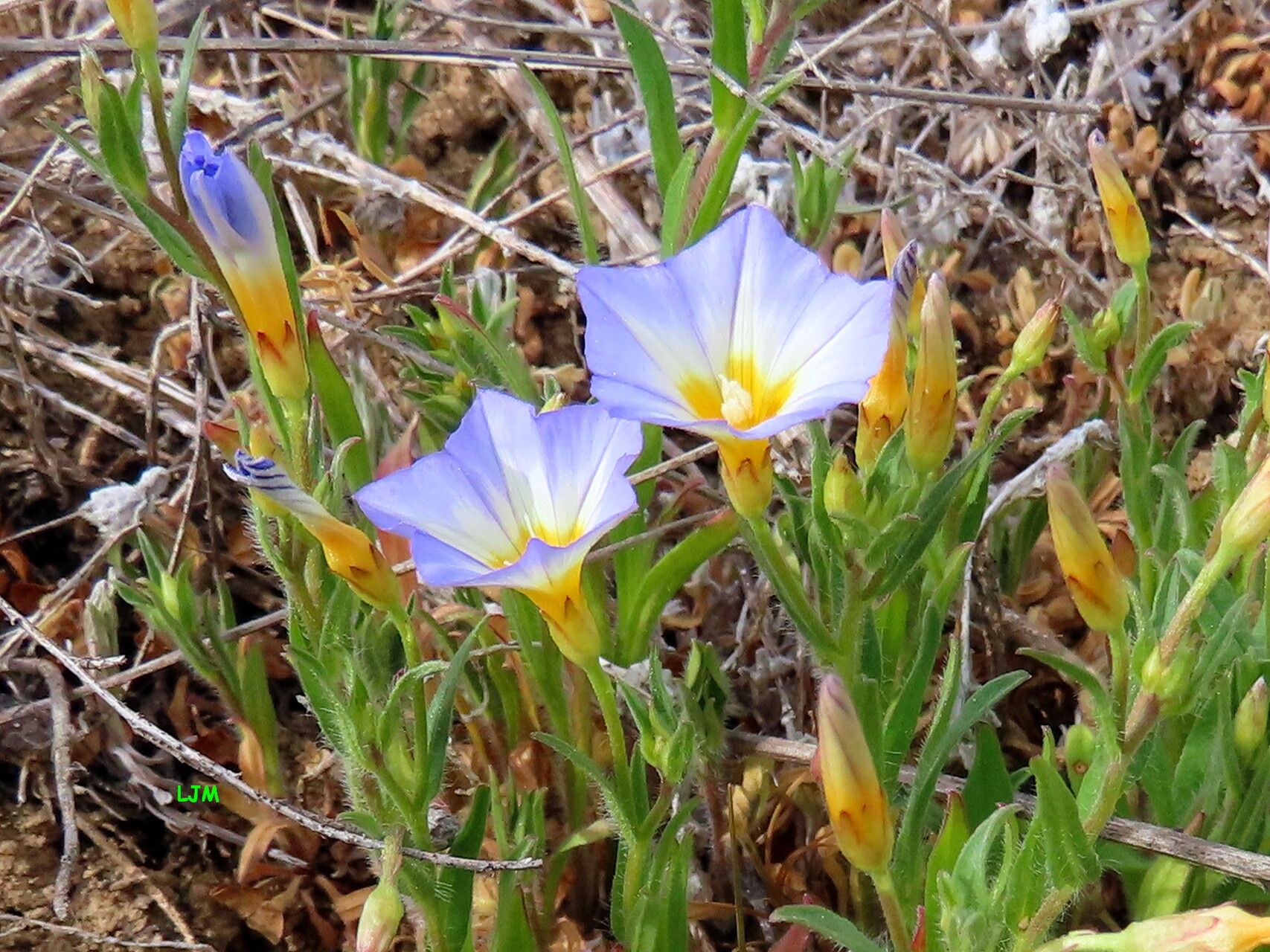
Well hello there, fellow plant enthusiasts! It’s so lovely to have you join me today. We’re going to dive into the wonderful world of propagating Convolvulus meonanthus, also known as Moonflower Bindweed. This little charmer, with its delicate, trumpet-shaped white or pale pink flowers that often unfurl in the evening, can truly transform a garden corner into a dreamy escape. And the best part? Growing more of these beauties from your existing plants is incredibly satisfying, and I’m happy to report, it’s a pretty straightforward process for most gardeners. Even if you’re just dipping your toes into the world of propagation, you’ll likely find success with this one.
The Best Time to Start
For the highest success rate, the ideal time to propagate Convolvulus meonanthus is during its active growing season. This usually means late spring through mid-summer. You’re looking for healthy, non-flowering shoots that are relatively soft and pliable, not woody. This is when the plant has plenty of energy reserves for rooting.
Supplies You’ll Need
Gathering your tools beforehand makes the whole process smoother. Here’s what I usually have on hand:
- Sharp pruning shears or a clean utility knife: For making clean cuts.
- Rooting hormone powder or gel (optional, but recommended): To give cuttings a head start.
- Small pots or trays with drainage holes: Terracotta or plastic both work fine.
- A good quality potting mix: I like a blend that’s light and drains well – about 50% potting soil and 50% perlite or coarse sand is a great starting point.
- A spray bottle: For misting your cuttings.
- Plastic bags or a propagation dome: To create a humid environment.
- Labels and a marker: So you don’t forget what you’ve planted where!
Propagation Methods
We’ll focus on the most reliable method for Convolvulus meonanthus: stem cuttings.
Stem Cuttings
- Select Your Cuttings: On a healthy plant, look for new growth that is about 4-6 inches long. Gently bend a stem; if it snaps easily, it’s a good candidate. Avoid any stems that are flowering or appear old and woody.
- Make the Cut: Using your clean pruning shears or knife, make a clean cut just below a leaf node. A leaf node is that little bump where a leaf attaches to the stem. This is where roots are most likely to form.
- Prepare the Cutting: Carefully remove the lower leaves from the bottom 2-3 inches of the stem. You can leave the top few leaves, but I sometimes trim them in half horizontally to reduce water loss through transpiration.
- Apply Rooting Hormone (Optional): Dip the cut end of the stem into your rooting hormone powder or gel. Tap off any excess. This step is like giving your cutting a little boost of encouragement to sprout roots.
- Plant Your Cuttings: Fill your pots or trays with your prepared potting mix. Make a hole in the center using your finger or a pencil. Insert the cut end of the stem into the hole, ensuring the treated part is below the soil surface.
- Firm the Soil: Gently firm the soil around the base of the cutting so it stands upright and has good contact with the soil.
- Water Gently: Water thoroughly but gently. You don’t want to disturb the cuttings. A gentle watering from the bottom can be ideal to prevent washing away the rooting hormone.
- Create Humidity: Cover the pots with a plastic bag or a propagation dome. This traps moisture and keeps the humidity high, which is crucial for cuttings to root. Make sure the leaves aren’t touching the plastic if possible.
The “Secret Sauce” (Pro Tips)
Here are a couple of things I’ve learned over the years that really make a difference:
- Don’t Crowd Them: Give your cuttings a little breathing room in their pots. Overcrowding can lead to poor air circulation and increases the risk of fungal diseases, which no one wants!
- Bottom Heat is Your Friend: If you have a heat mat designed for seedlings and cuttings, place your pots on it. This gentle bottom heat encourages root development much faster than ambient room temperature alone. It’s like giving them a cozy little greenhouse from below.
Aftercare & Troubleshooting
Once your cuttings are planted, keep them in a bright spot out of direct sunlight. Water when the top inch of soil feels dry. The key is consistent moisture, but not soggy conditions.
You’ll know your cuttings have taken root when you see new leaf growth appearing or when you gently tug on the stem and feel resistance. This can take anywhere from 3 to 6 weeks, sometimes longer. Be patient!
The main problem you might encounter is rot. This usually happens when the soil is too wet and the air circulation is poor. If you notice your cuttings wilting, turning mushy, or developing black spots, they’ve likely succumbed to rot. Don’t be discouraged; just clean out the pot and try again with fresh cuttings and perhaps a well-draining mix.
A Encouraging Closing
Propagating plants is a journey, and like any good journey, it’s all about enjoying the process. There’s an incredible sense of accomplishment in nurturing a tiny cutting into a new, thriving plant. So, give it a go with your Convolvulus meonanthus. Be patient, observe your cuttings, and don’t be afraid to experiment. Happy growing, and may your new Moonflowers bloom beautifully!
Resource: