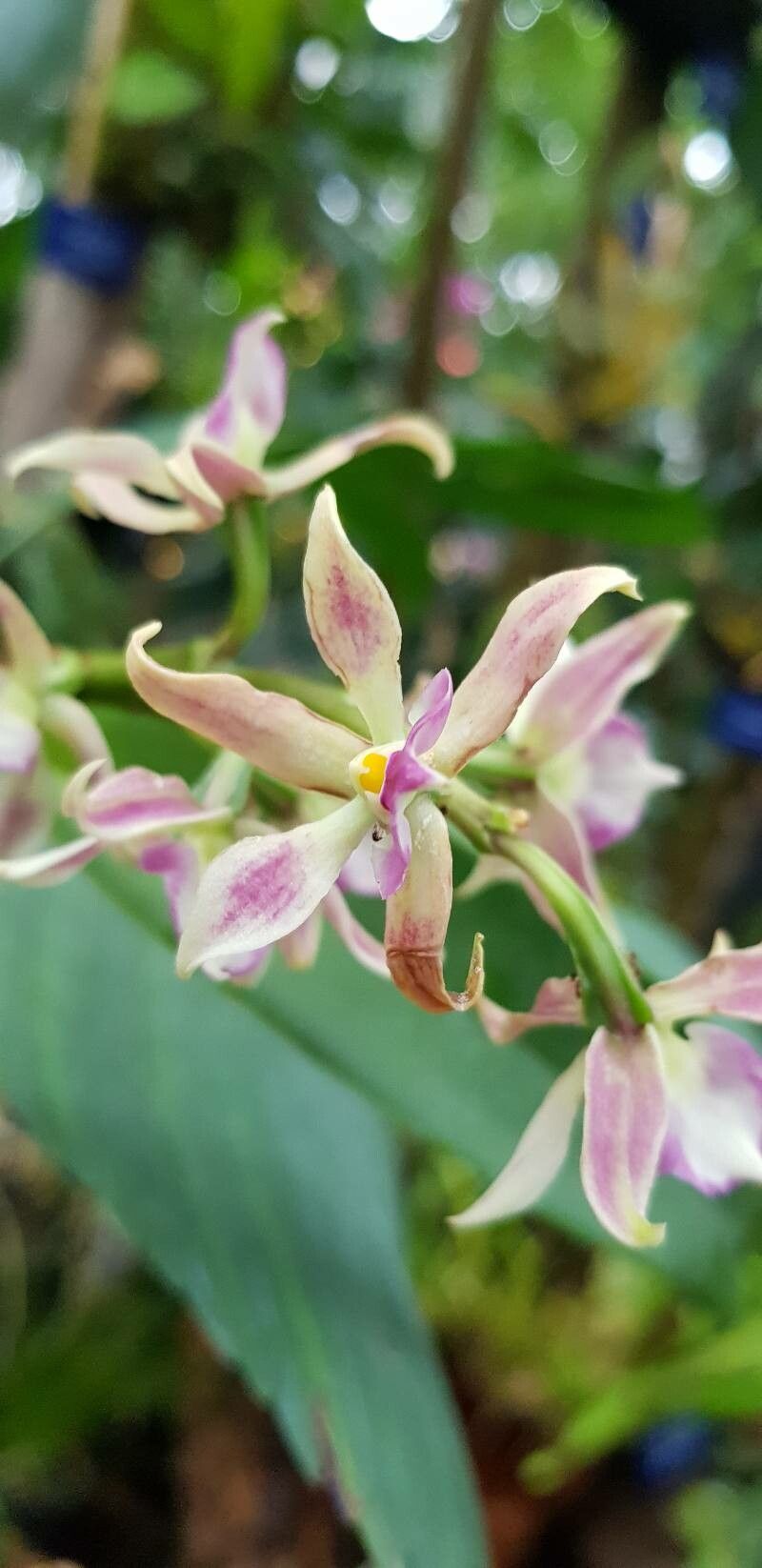
Oh, hello there! Come on in, grab a cuppa, and let’s chat about something truly special: propagating Prosthechea cochleata, often called the cockleshell orchid. If you’ve ever admired its unique, backward-facing petals (they look like tiny little seashells!) and wondered how you could get more of them, you’ve come to the right place. Growing new orchids from an existing one is such a rewarding journey – it’s like watching a little bit of your magic multiply. Now, straight talk: Prosthechea cochleata isn’t the absolute easiest orchid to start with for a complete beginner, but it’s definitely manageable with a little know-how and patience. We’ll get you there!
The Best Time to Start
Timing is everything in the garden, and for Prosthechea cochleata, the sweet spot is usually right after the plant has finished its blooming cycle and is entering its active growth phase. This is typically in the spring or early summer. You’ll know it’s ready when you see new pseudobulbs (those swollen stems) starting to form or new leaf growth emerging. This energy is what your propagation will tap into for successful rooting.
Supplies You’ll Need
Before we get our hands dirty, let’s gather our tools:
- Sharp, clean pruning shears or a sanitized knife: For making clean cuts. Sterilize with rubbing alcohol between cuts!
- Orchid bark mix: A good quality, well-draining mix is crucial. I often use a blend of medium-grade bark with some perlite or charcoal to improve aeration.
- Sphagnum moss: Great for retaining a bit of moisture without getting waterlogged.
- Small pots or containers: New homes for your babies! Ensure they have drainage holes.
- Rooting hormone (optional but helpful): A powder or gel can give your cuttings a little boost.
- Clear plastic bags or a propagation dome: To create a humid microclimate.
- Water: For misting and watering.
Propagation Methods: Let’s Get Growing!
For Prosthechea cochleata, division is generally the most successful and least stressful method for home growers. These orchids tend to form clumps, and separating them is like giving them a bit of breathing room.
Here’s how we’ll do it:
- Gently Remove from Pot: Carefully take your orchid out of its current pot. If it’s stuck, you might need to gently squeeze the pot or run a knife around the edge. Try not to disturb the roots too much.
- Clean the Roots: Gently shake off excess potting mix. You want to be able to see where the natural divisions are. You’ll also want to trim away any dead or mushy roots – these are no good.
- Locate Divisions: Look for distinct sections of the plant, usually where a new pseudobulb is emerging from an older one. Each division should ideally have at least two to three healthy pseudobulbs and a good root system.
- Make the Cut (if necessary): If the sections are tightly clumped, you might need to use your sanitized cutting tool to gently tease them apart or make a clean cut between them. Move slowly and deliberately.
- Potting Up: Place each division into its own small pot with fresh orchid bark mix. Make sure the newest pseudobulb is sitting slightly above the surface of the mix.
- Watering: Water lightly after potting. You don’t want to drown them, just settle the mix.
We can also try stem cuttings (keikis) if your plant naturally produce these little plantlets, but division is more reliable for this particular orchid.
The “Secret Sauce” (Pro Tips)
Here are a few things I’ve learned over the years that really make a difference:
- Don’t Overwater New Divisions: This is probably the biggest mistake people make. New divisions don’t have a massive root system yet to take up a lot of water, so it’s easy to create conditions for rot. Let the potting mix dry out slightly between waterings. You can even wait a few days after potting before the first proper watering.
- Humidity is Your Friend, but Keep Air Moving: Those plastic bags or domes are great for creating that humid environment new cuttings crave. However, open them up for a few hours each day to allow for air circulation. This prevents fungal issues and helps the plant breathe.
- The Power of Patience with Rooting Hormone: If you use rooting hormone, don’t be tempted to overdo it. A light dusting or dip is all that’s needed. Some people find that if the hormone powder stays too wet, it can actually hinder rooting.
Aftercare & Troubleshooting
Once your new division is potted, place it in a spot with bright, indirect light. Avoid direct sun, which can scorch tender new growth. Keep an eye on the humidity, misting lightly if the air gets too dry, but always making sure the potting mix isn’t soggy.
The first sign of success is usually new leaf growth or the emergence of tiny, pale roots from the base of the pseudobulbs. Be patient – it can take several weeks, sometimes even a couple of months, for roots to establish properly.
The most common issue you might encounter is rot. If you see mushy, dark pseudobulbs or leaves that turn yellow and drop off quickly, it’s usually a sign of too much moisture. If this happens, you might need to pull the plant out, trim away the rotted parts with your sanitized tool, and let it dry out more thoroughly before repotting in fresh, drier mix. It’s a tough lesson, but sometimes nature knows best!
A Little Encouragement for Your Green Thumb
Growing new plants is a wonderful way to connect with nature and a testament to your nurturing skills. Don’t get discouraged if your first attempt isn’t perfect. Each plant and each division will teach you something new. Enjoy the process, celebrate the small victories, and before you know it, you’ll have a whole collection of these charming cockleshell orchids! Happy growing!
Resource: