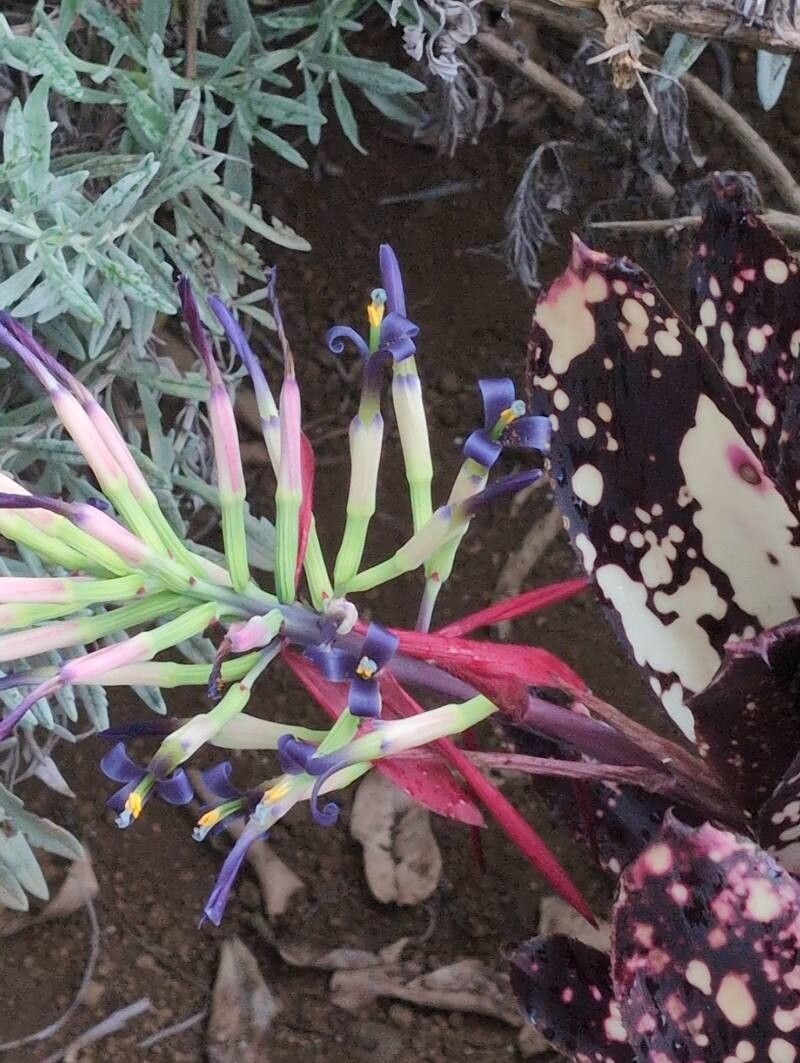
Well hello there, fellow plant lovers! It’s so lovely to have you join me today. I’ve spent the better part of two decades with my hands in the soil, coaxing beautiful things to life, and I’m always thrilled to share what I’ve learned. Today, we’re diving into the wonderful world of Billbergia vittata, a bromeliad that truly brings a touch of the tropics to any space.
Why You’ll Love Propagating Billbergia Vittata
Billbergia vittata, with its striking, striped foliage and often vibrant floral spikes, is a real showstopper. It has this wonderful architectural form that adds so much interest. And the best part? Propagating it is surprisingly straightforward and incredibly rewarding. Seeing a tiny pup grow into a magnificent plant, all thanks to you, is a joy that never gets old. For beginners, I’d say this is a pretty welcoming plant to start with. It’s forgiving and eager to please!
When to Get Your Hands Dirty
The absolute best time to propagate Billbergia vittata is during its active growing season. For most of us, this means late spring through summer. This is when the plant has the most energy to produce offsets (those little babies that sprout from the base) and when conditions are warmest, encouraging quick root development. You can also do it in early fall, but you might find things take a little longer to get going.
Your Propagation Toolkit
Gathering your supplies beforehand makes the whole process so much smoother. Here’s what you’ll want on hand:
- Sharp Pruning Shears or a Clean Knife: For making clean cuts.
- Well-Draining Potting Mix: A good orchid mix or a blend of potting soil, perlite, and orchid bark works wonders. Bromeliads hate soggy feet!
- Small Pots or Growing Containers: Terracotta pots are lovely because they allow the soil to breathe.
- Rooting Hormone (Optional but Recommended): This can give your new cuttings a little head start.
- Watering Can or Spray Bottle: For gentle watering.
- Labels and a Marker: To keep track of your new plants.
- Bottom Heat Mat (Optional): This is a game-changer in cooler climates.
Bringing New Life: Propagation Methods
Billbergia vittata primarily propagates through offsets, which are the small, baby plants that emerge from the base of the mature plant. This is by far the easiest and most successful method.
Method: Dividing Offsets
- Identify the Offsets: Look for small, leafy shoots emerging from the base of your mature Billbergia. They’ll typically have their own tiny root system starting to form.
- Prepare Your Tools: Make sure your pruning shears or knife are sparkling clean. This is crucial to prevent the spread of any diseases.
- Gently Loosen the Soil: If your parent plant is in a pot, carefully tip it out or gently loosen the soil around the base of the offset you want to remove.
- Make the Cut: Using your clean tool, slice the offset away from the mother plant, making sure to get as much of its root system as possible. If an offset has no roots yet, that’s okay! It will grow them.
- Optional: Apply Rooting Hormone: If you’re using rooting hormone, dip the cut end of the offset into it.
- Potting Up: Fill your small pots with your well-draining mix. Make a small indentation in the center and place the offset inside. Gently firm the soil around its base.
- Initial Watering: Water gently, just enough to settle the soil. Avoid waterlogging.
The “Secret Sauce”: My Insider Tips
I’ve learned a few tricks over the years that really make a difference.
- Let Wounds Dry: After you’ve separated the offset, let the cut end air dry for a day or two before potting. This helps form a callous, which significantly reduces the risk of rot. It may look a bit sad, but trust me, it’s protective!
- Mimic the Tropics with Humidity: Bromeliads love humidity. Once potted, place the new divisions in a bright spot with good air circulation, but consider covering them loosely with a clear plastic bag (supported by sticks so it doesn’t touch the leaves) for a week or two. This creates a mini-greenhouse effect that encourages root formation. Open it daily for a few minutes to let fresh air in.
- The Magic of Bottom Heat: If you can, place your pots on a seedling heat mat. This gentle warmth from below mimics the heat of the tropics and dramatically speeds up root development. It’s a real game-changer, especially if your home tends to be on the cooler side.
Aftercare and What to Watch For
Once your offsets are potted, give them bright, indirect light. Don’t overwater! Let the top inch of soil dry out between waterings. You can mist the leaves occasionally, but always ensure good air circulation.
You’ll know your offset is happy and establishing roots when you see new, healthy leaf growth emerging from the center. This might take anywhere from a few weeks to a couple of months.
The main thing to watch out for is rot. If the leaves start to turn mushy and brown, or if the base of the plant looks dark and slimy, that’s a sign of too much moisture and not enough air. If this happens, gently remove the affected parts with your clean shears and try to let the remaining healthy portion dry out more before repotting. Sometimes, unfortunately, it’s too late, but don’t be discouraged!
Go Forth and Propagate!
Propagating Billbergia vittata really is a delightful way to expand your collection and share the joy of plants with others. Be patient with your new arrivals – nature works on its own schedule. Enjoy the process, learn from each little sprout, and before you know it, you’ll have a whole little clan of these beautiful bromeliads! Happy gardening, friends!
Resource: