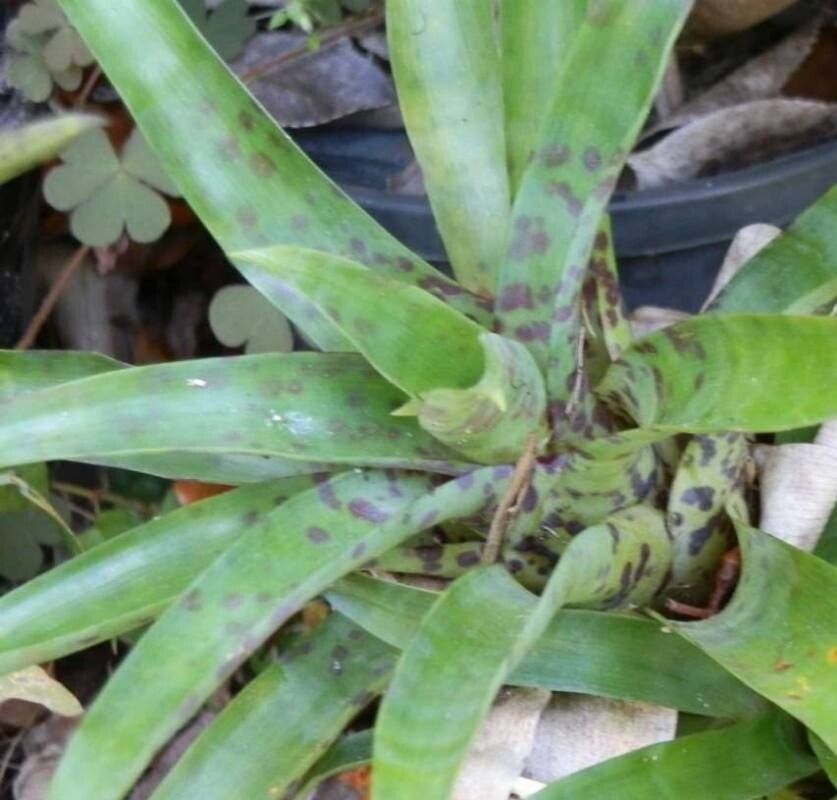
Hello my fellow plant enthusiasts! Today, we’re diving into the wonderful world of Vriesea racinae, a bromeliad that truly captures the heart with its striking beauty. If you’ve ever admired its vibrant colors and intricate rosettes, you’ll be happy to know that bringing more of these beauties into your life is entirely possible through propagation.
I’ve been growing and propagating Vrieseas for a good two decades now, and while Vriesea racinae isn’t quite as straightforward as a snake plant to multiply, it’s absolutely achievable for those with a bit of patience and a willingness to learn. Think of it as a rewarding challenge, a chance to really connect with your plant.
The Best Time to Start
For the highest success rates with Vriesea racinae, I’ve found that late spring through early summer is your sweet spot. This is when the plant is in its most vigorous growth phase after the cooler months. You’ll see lots of active energy, which translates to better root development and quicker establishment for your new babies. Look for pups that are at least one-third the size of the mother plant, and even better if they’ve started developing their own tiny root system.
Supplies You’ll Need
Gathering your tools before you begin makes the whole process much smoother. Here’s what I always have on hand:
- Sharp, sterile pruning shears or a clean knife: Essential for making clean cuts to prevent disease.
- A well-draining potting mix: I recommend a specialized bromeliad mix or a blend of orchid bark, perlite, and a touch of coco coir. Regular potting soil holds too much moisture for these guys.
- Small pots or containers: Yogurt cups with drainage holes poked in them work wonders!
- Rooting hormone (optional but recommended for beginners): This can give your pups a little boost.
- A spray bottle: For gentle misting.
- Small labels or plant tags: To keep track of your efforts!
Propagation Methods
For Vriesea racinae, the most successful and common method is through pups, which are essentially baby plants that grow from the base of the mother plant.
- Identify the Pups: Gently inspect your Vriesea racinae. You’ll notice smaller plants emerging from the soil around its base. These are your pups!
- Wait for a Decent Size: As I mentioned, resist the urge to separate them too early. Wait until the pup is at least a third of the size of the mother plant. You can also check if it’s starting to form its own little roots at the base where it connects to the mother.
- Gentle Separation: Using your sterile pruners or knife, carefully make a clean cut as close to the mother plant as possible without damaging her. If the pup has its own roots, try to get as many as you can with the cut.
- Let Them Callus (Optional but good practice): For extra insurance against rot, you can let the cut end of the pup sit out in a dry, shaded spot for a day or two. This allows the cut to dry out and form a protective layer.
- Potting Up: Fill your small pots with your well-draining bromeliad mix. Create a small well in the center and place the pup in it. Gently firm the mix around the base. If you’re using rooting hormone, dip the cut end of the pup into it before planting.
The “Secret Sauce” (Pro Tips)
Over the years, I’ve picked up a few tricks that tend to make propagation that much easier.
- Don’t Overwater Early On: This is critical! Young pups, especially those without established roots, are very susceptible to rot. Water sparingly after potting, and only when the potting mix feels dry to the touch. A light misting from your spray bottle can often be enough for the first few weeks.
- Provide Humidity, But Not Wetness: Bromeliads love humidity, but we don’t want their leaves sitting in pooled water. A humidity dome (like a clear plastic bag loosely tented over the pot with a few air holes) can be beneficial. Just make sure to air it out daily for a few minutes to prevent fungal issues.
- Bottom Heat is Your Friend: If you have a seedling heat mat, placing your pots on it can significantly speed up root development. The warmth encourages those roots to get moving!
Aftercare & Troubleshooting
Once your pup is potted, keep it in a spot with bright, indirect light. Avoid direct sun, which can scorch delicate new growth. Continue to water sparingly. You can start to increase watering slightly once you see signs of new growth, like a new leaf emerging from the center of the rosette.
The most common issue you’ll encounter is rot. If your pup starts to turn mushy, black, or develops a foul smell, it’s likely succumbing to too much moisture. If you catch it early, you can try to cut away the rotted parts and let the remaining healthy section callus before repotting in fresh, dry mix. Sometimes, unfortunately, it’s best to just start over with a fresh pup if several have failed.
A Little Patience Goes a Long Way
Propagating Vriesea racinae is a journey, and like all good things, it takes a little time and care. Don’t be discouraged if your first few attempts aren’t perfect. Each time, you’ll learn a little more about what your plants love. Enjoy the process, celebrate every little bit of new growth, and soon you’ll be surrounded by even more of these magnificent Vrieseas! Happy growing!
Resource:
https://identify.plantnet.org/k-world-flora/species/Vriesea%20racinae%20L.B.Sm./data