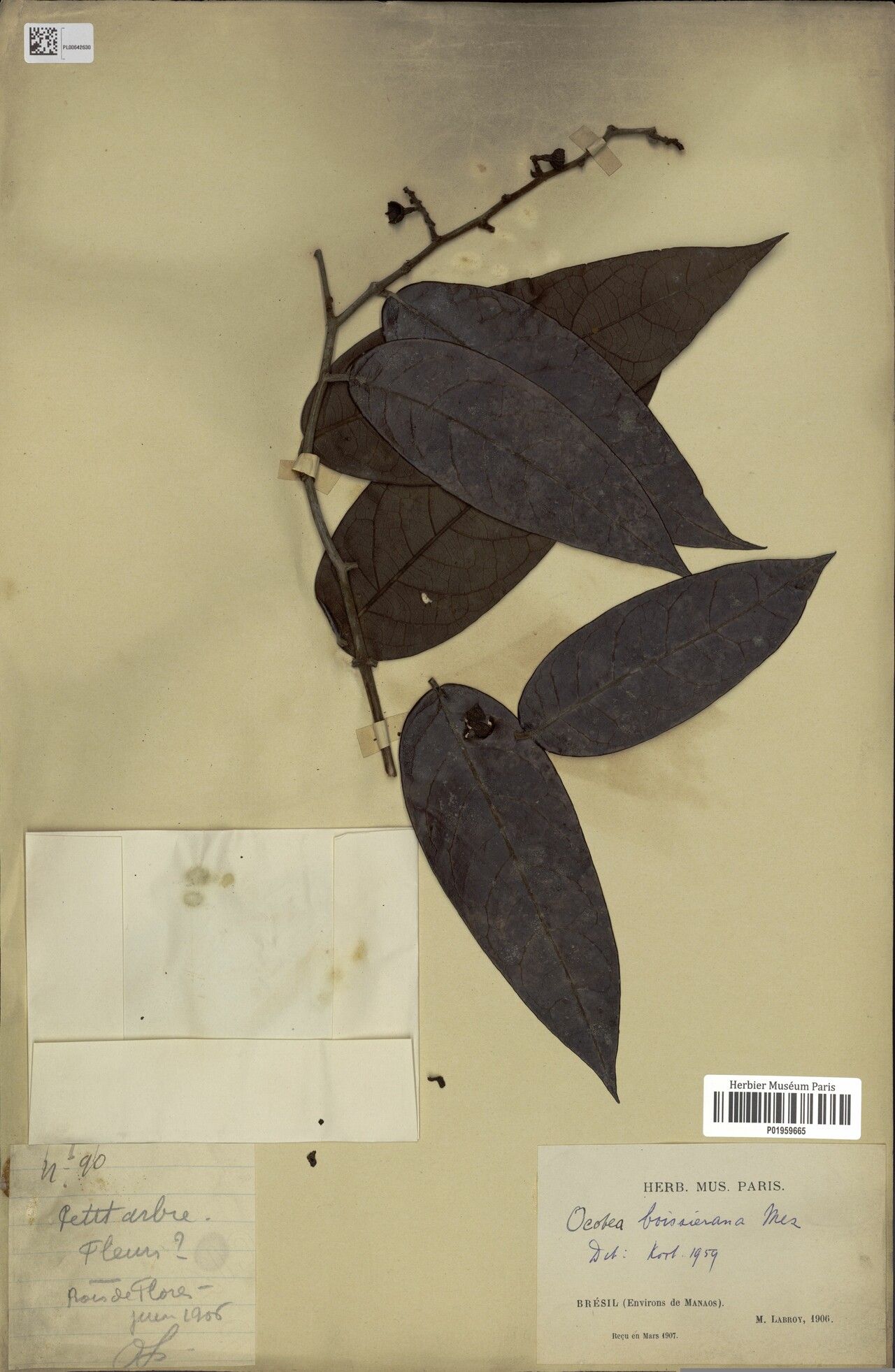
Hey there, fellow plant lovers! I’m so excited to chat with you today about a truly special tree: Ocotea boissieriana. If you’ve ever been captivated by its gorgeous, leathery leaves and the promise of shade and beauty it offers, you’re in for a treat. Propagating this gem is incredibly rewarding, a little journey into growing something wonderful for yourself. Now, I’ll be honest, Ocotea boissieriana can be a tad on the trickier side for absolute beginners compared to, say, a pothos. But with a little know-how and patience, you can absolutely master it.
The Best Time to Start
For the highest success rate with Ocotea boissieriana, you want to get your hands dirty in the late spring or early summer. This is when the plant is in its most vigorous growth phase. You’ll be looking for semi-hardwood cuttings, which are stems that are no longer soft and new but haven’t hardened off completely. Think of it as the “just right” stage – not too floppy, not too rigid.
Supplies You’ll Need
Here’s what you’ll want to have on hand before you dive in:
- Sharp Pruning Shears or a Knife: Sterilized, of course!
- Rooting Hormone: A good quality powder or gel will make a big difference.
- Potting Mix: A well-draining mix is crucial. I often use a blend of equal parts perlite and peat moss, or a commercial seed-starting mix with added perlite.
- Small Pots or Trays: Clean ones are a must.
- Clear Plastic Bags or a Propagation Dome: To keep humidity high.
- Watering Can with a Fine Rose: For gentle watering.
- Labels and a Pen: Don’t forget to label your precious cuttings!
Propagation Methods
We’ll focus on taking stem cuttings, as this is generally the most reliable method for Ocotea boissieriana.
- Select Your Cuttings: Head out to your tree on a pleasant late spring or early summer morning. Look for healthy stems that are about pencil-thick and roughly 6-8 inches long. Make your cut just below a leaf node, which is the little bump where a leaf attaches to the stem. This is where the magic of root development tends to happen.
- Prepare the Cuttings: Gently remove the leaves from the bottom half of the cutting. You want to expose those nodes. If the remaining leaves are very large, you can cut them in half to reduce water loss. Don’t remove them all, though – they’re still needed for photosynthesis!
- Apply Rooting Hormone: Dip the cut end of the stem into your rooting hormone, making sure it’s thoroughly coated. Tap off any excess.
- Plant Your Cuttings: Fill your small pots or trays with your prepared potting mix. Make a hole in the soil with your finger or a pencil and carefully insert the cutting, ensuring the root hormone-coated end is well-covered by soil. Gently firm the soil around the stem.
- Water Thoroughly: Water your cuttings gently but thoroughly. You want the soil to be moist but not soggy.
- Create a Humid Environment: Place the pots inside a clear plastic bag or cover them with a propagation dome. This is key to retaining moisture and creating the humid microclimate these cuttings crave. Make sure the leaves don’t touch the inside of the bag, as this can encourage rot.
The “Secret Sauce” (Pro Tips)
Here are a couple of things I’ve learned over the years that really make a difference:
- Bottom Heat is Your Friend: If you can, place your propagations on a heat mat. For many woody plants like Ocotea boissieriana, bottom heat encourages root development much faster and more consistently than top warmth alone. It mimics the warmth of the soil from which a seed would sprout.
- Don’t Overwater, But Don’t Let Them Dry Out: This is a delicate balance! The soil should feel consistently moist, like a wrung-out sponge, but never waterlogged. Overwatering is the quickest way to invite fungal issues and rot. A good rule of thumb is to lift the pot and feel its weight – if it feels light, it’s likely time to water.
Aftercare & Troubleshooting
Once you see signs of new leaf growth or feel a gentle tug when you very carefully try to pull the cutting (don’t yank it out, though!), you know roots are forming! At this point, you can slowly acclimate your new plant to drier air by gradually opening the plastic bag or propagation dome over a week or two. Continue to keep the soil moist.
The main thing to watch out for is rot. If your cutting turns black and mushy at the base, or the leaves start to yellow and drop without any sign of new growth, it’s likely succumbed to rot. This is often due to poor drainage, overwatering, or lack of airflow. If you see this, unfortunately, it’s best to discard the affected cutting and try again, perhaps adjusting your soil mix or watering schedule.
A Little Patience, A Lot of Joy
Propagating plants is an exercise in patience, isn’t it? There will be times when things don’t work out, and that’s perfectly okay. For every cutting that doesn’t take, there’s another one waiting for its moment to shine. Just keep trying, learn from each experience, and most importantly, enjoy the process of nurturing new life. Happy propagating!
Resource:
https://identify.plantnet.org/k-world-flora/species/Ocotea%20boissieriana%20(Meisn.)%20Mez/data