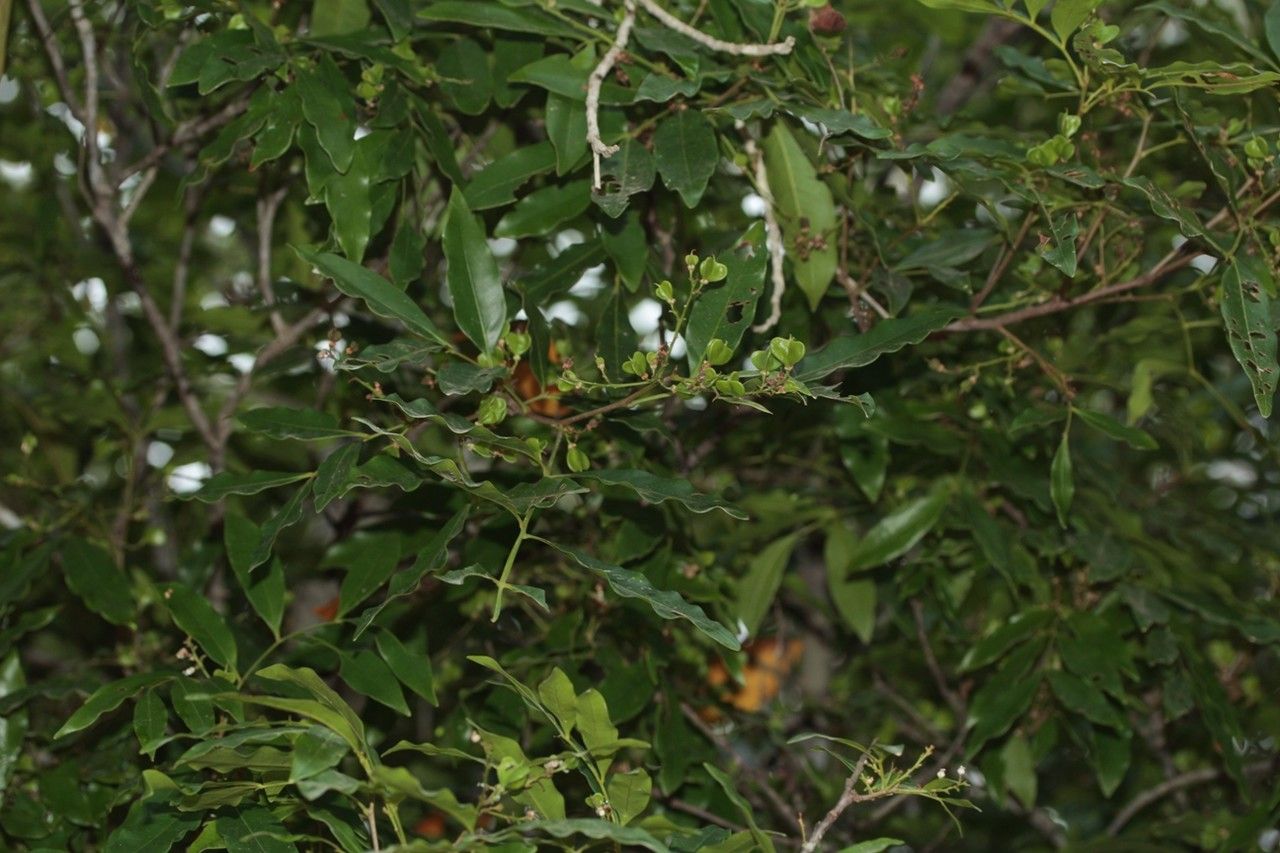
Hey there, fellow plant lovers! Today, we’re diving into the wonderful world of propagating Guioa pectinata. If you’ve ever admired the graceful, feathery foliage of this Australian native, you’re in for a treat. There’s just something so satisfying about nurturing a brand new plant from a tiny piece of its parent. It’s a real connection to nature’s magic, isn’t it?
Now, I won’t sugarcoat it – Guioa pectinata can be a tad particular when it comes to propagation. It’s not quite a “stick it in the ground and it’ll grow” kind of plant for absolute beginners. But with a little patience and a few key steps, you’ll have plenty of success stories to share. Think of it as a rewarding challenge that’s definitely achievable!
The Best Time to Start
For the highest success rate with Guioa pectinata, aim for late spring through summer. This is when the plant is actively growing and has the energy to send out new roots. You want to be taking cuttings from healthy, vigorous new growth that still has a bit of flexibility to it, rather than woody old stems.
Supplies You’ll Need
Here’s what you’ll want to have on hand before you get started:
- Sharp, clean pruning shears or a sharp knife: For making clean cuts, which is crucial for good root development.
- Rooting hormone (optional but recommended): A powder or gel that encourages faster and stronger root growth.
- Well-draining potting mix: A good blend for this is about 50% potting soil and 50% perlite or coarse sand. You could also use a commercial seedling mix.
- Small pots or seed trays: Clean ones are a must to prevent disease. Aim for pots about 3-4 inches in diameter.
- Plastic bags or a propagator: To create a humid environment.
- Watering can or spray bottle: For gentle watering.
- Gloves (optional): If you have sensitive skin.
Propagation Methods: Let’s Get Planting!
The most reliable way to propagate Guioa pectinata is through stem cuttings. Here’s how I like to do it:
Stem Cuttings Explained:
- Select Your Cuttings: Using your sharp shears, take softwood or semi-hardwood cuttings from healthy, actively growing stems. Look for shoots that are about 4-6 inches long and have at least two sets of leaves. Make your cut just below a leaf node (where a leaf attaches to the stem).
- Prepare the Cuttings: Remove the lower leaves, leaving just a couple of sets at the top. This prevents them from rotting in the soil. If the leaves are very large, you can even cut them in half horizontally to reduce water loss.
- Apply Rooting Hormone (If Using): Dip the cut end of the stem into your rooting hormone, tapping off any excess. This step really gives your cuttings a fighting chance!
- Plant Your Cuttings: Fill your clean pots with your well-draining potting mix. Make a small hole in the center with your finger or a pencil. Gently insert the cutting into the hole, making sure the root hormone-coated end is fully covered by soil.
- Firm the Soil: Lightly firm the soil around the base of the cutting to ensure good contact.
- Water Gently: Water the soil thoroughly but gently. You want the soil to be moist, not waterlogged.
- Create a Humid Environment: Place a plastic bag over the pot, securing it around the rim with a rubber band or tape. Alternatively, you can place the pots inside a clear plastic propagator. This traps moisture and mimics the humid conditions the cuttings need to root.
Water Propagation (A Less Common, but Possible Option):
While I prefer soil for Guioa pectinata, some folks have success in water. If you try this:
- Take your cuttings as described above.
- Instead of dipping in rooting hormone and soil, place the cuttings in a jar or vase of clean water.
- Ensure no leaves are submerged in the water. This is critical to prevent rot.
- Change the water every few days.
- Once you see good root development (about an inch long), you can then carefully transplant them into your well-draining potting mix.
The “Secret Sauce” (Pro Tips)
Here are a couple of tricks I’ve picked up over the years that really make a difference for Guioas:
- Bottom Heat is Your Friend: If you have a heating mat – use it! Placing your pots on a gentle heat source (around 70-75°F or 21-24°C) will significantly speed up root formation. It’s like a cozy warm bath for those developing roots.
- Don’t Fuss Too Much: Resist the urge to constantly pull cuttings out to check for roots. This disturbs the delicate new growth and can cause damage. Trust the process and try to be patient. You’ll know they’re ready when you feel a gentle resistance when tugging slightly, or when you see new top growth.
Aftercare & Troubleshooting
Once your cuttings have developed a healthy root system – you’ll usually see new leaves emerging – it’s time to transition them to their next stage.
- Gradual Acclimation: Slowly remove the plastic bag or open the propagator vents over a few days. This helps the new plant adjust to normal humidity levels.
- Potting Up: Once they are well-rooted and have a few sets of leaves, you can pot them into slightly larger individual pots using your standard potting mix.
- Watering: Water them when the top inch of soil feels dry. Avoid overwatering, as this is a common mistake that can lead to root rot.
- Light: Place them in a bright spot with indirect sunlight. Direct sun can be too harsh for young, tender plants.
Troubleshooting:
The most common issue you might encounter is rot. This usually happens from too much moisture and poor air circulation. If a cutting turns black and mushy, it’s best to discard it and try again, paying closer attention to watering and ventilation. If your cuttings just seem to be sitting there for weeks and show no signs of life, it might be that they haven’t rooted. Don’t give up right away, but if they remain limp and lifeless after a couple of months, it’s time to try again.
A Little Something to Grow On
Propagating Guioa pectinata takes a little care and observation, but the reward of seeing those tiny roots sprout and new leaves unfurl is absolutely worth it. Be patient with yourself and your cuttings. Enjoy the journey, experiment, and most importantly, have fun watching your new plants thrive! You’ve got this!
Resource:
https://identify.plantnet.org/k-world-flora/species/Guioa%20pectinata%20Radlk./data