Hello there, fellow garden enthusiasts!
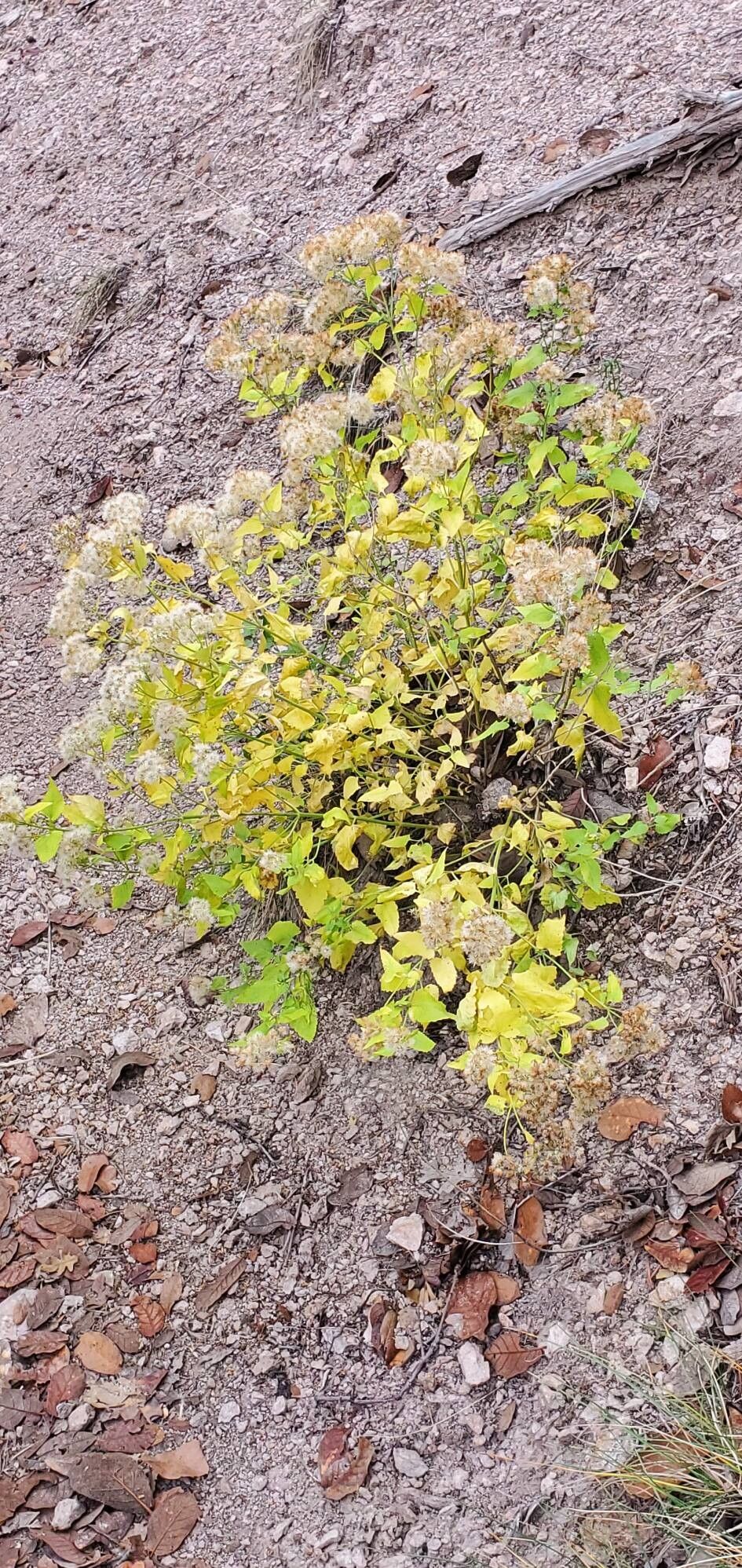
It’s such a joy to connect with you today. We’re going to talk about a plant that truly deserves more attention: Ageratina herbacea. You might know it by its common name, the climbing white snakeroot, or perhaps you’ve encountered its charming clusters of delicate white flowers gracing shady nooks. I’ve found this beauty to be incredibly rewarding in my own garden. Its airy blooms bring a touch of wild elegance, and the act of creating more of it from existing plants feels like a little bit of gardening magic. For beginners, I’d say Ageratina herbacea is moderately easy to propagate, especially with a few key tips. You’ll definitely get the hang of it!
The Best Time to Start
When it comes to snagging the best chance for success with Ageratina herbacea, I always find myself reaching for my pruners in late spring or early summer. This is when the plant is actively growing, putting out fresh, pliable stems that have the best energy reserves for rooting. Waiting until the plant has finished its initial flush of growth means you’re working with young, vigorous material.
Supplies You’ll Need
Before we dive in, let’s gather our tools. Having everything ready makes the process so much smoother, don’t you think?
- Sharp Pruning Shears or a Clean Knife: For making clean cuts.
- Rooting Hormone (Optional but Recommended): A little boost never hurts! Look for one with an auxin base.
- Small Pots or Seedling Trays: About 3-4 inches are perfect.
- Well-Draining Potting Mix: A mix of equal parts peat moss, perlite, and coarse sand is my go-to. You can also buy a good quality seed-starting mix.
- Plastic Bags or a propagator: To create a humid environment.
- Watering Can or Spray Bottle: For gentle watering.
- Labels and a Marker: To keep track of your new babies.
Propagation Methods
Let’s get our hands dirty! My favorite way to propagate Ageratina herbacea is through stem cuttings. It’s straightforward and yields great results.
- Take Your Cuttings: Select healthy, non-flowering stems from your established plant. Look for stems that are about 4-6 inches long. Using your sharp shears, make a clean cut just below a leaf node (where a leaf meets the stem).
- Prepare the Cuttings: Gently remove the lower leaves from the cutting, leaving just a couple of leaves at the top. This helps prevent rot. If your cuttings are long, you can pinch off the tip to encourage bushier growth later.
- Apply Rooting Hormone (If Using): Dip the cut end of the stem into your rooting hormone. Tap off any excess.
- Plant Your Cuttings: Fill your small pots with your prepared potting mix. Moisten the soil until it’s damp but not soggy. Make a small hole in the center of each pot with your finger or a pencil. Insert the cutting into the hole, ensuring the leaf nodes are below the soil level. Gently firm the soil around the stem.
- Create a Humid Environment: Water the cuttings lightly from above. Then, cover the pot with a clear plastic bag or place it inside a propagator. This traps moisture and keeps the cuttings from drying out. You can even use stakes to keep the bag from touching the leaves.
The “Secret Sauce” (Pro Tips)
Now for a couple of little tricks I’ve picked up over the years that really make a difference:
- Don’t Over-Water the Cuttings: This is probably the biggest mistake beginners make. Damp soil is good, but soggy soil is an invitation for rot. The plastic bag will keep them humid, so you only need to water sparingly if the soil feels dry to the touch.
- Bottom Heat is Your Friend: If you have the space, placing your pots on a gentle heated propagator mat can significantly speed up root development. It mimics the warmth of spring soil and really encourages those roots to get going.
Aftercare & Troubleshooting
Once your cuttings have rooted – you’ll know because you’ll see new growth appearing and a slight resistance when you gently tug on the stem – it’s time for a little more dedicated care.
Gently remove the plastic bag, gradually acclimatizing your new plants to your home’s humidity over a few days. Continue to water when the top inch of soil feels dry. You can also start feeding them with a diluted liquid fertilizer every few weeks.
The most common issue you might encounter is rot. Dark, mushy stem ends are a sure sign. If you see this, unfortunately, that cutting is likely lost. Remove it immediately to prevent it from spreading to others, and double-check that your soil is draining well and you aren’t overwatering. Another sign of trouble can be wilting, but often this is just due to the cutting being too dry, so check the soil moisture first!
A Encouraging Closing
Taking cuttings is a wonderfully tangible way to connect with your plants and expand your garden’s beauty without spending a fortune. Be patient with your Ageratina herbacea cuttings. Not every single one may take, and that’s perfectly okay! Each attempt is a learning opportunity. Enjoy the process, celebrate your successes, and soon you’ll have a whole new collection of these delightful plants to share. Happy gardening!
Resource: