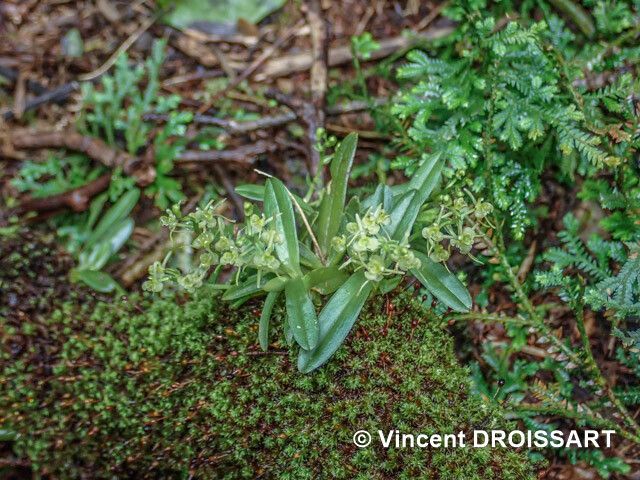
Hey there, fellow plant lovers! I’m so excited to chat with you today about a truly special orchid: Liparis rosseelii. If you’ve ever spotted this beauty in a collection, you’ll know why it captures hearts. Its delicate blooms, often a soft lavender or pink, have a charm that’s both understated and captivating. And the best part? Growing more of them from cuttings is incredibly rewarding. Now, for a bit of honesty upfront: Liparis rosseelii isn’t exactly a beginner’s walk in the park when it comes to propagation. It requires a little patience and a gentle touch, but trust me, the joy of seeing your own little Liparis babies thrive is absolutely worth it.
The Best Time to Start
Timing is everything, as they say, and for Liparis rosseelii, the sweet spot for propagation is when the plant is actively growing. Think of it as springtime for your orchids! This usually means after the plant has finished its blooming cycle and before the intense heat of summer sets in. You’ll see new growth starting to emerge from the pseudobulbs. This vibrant energy is exactly what we want to harness for successful rooting.
Supplies You’ll Need
Gathering your tools before you begin makes the whole process much smoother. Here’s what I always have on hand:
- Sharp, sterilized pruning shears or a clean razor blade: For making clean cuts. Sterilize with rubbing alcohol between every cut, especially if you propagate from multiple plants.
- Fine orchid bark mix: A good, airy mix is crucial. I often use a blend of small fir bark, perlite, and maybe a touch of charcoal. Think drainage, drainage, drainage!
- Sphagnum moss (long-fibered): For some methods, this is a lifesaver.
- Small pots or containers: Clean ones, of course! Small net pots or even just small clear plastic cups with drainage holes work well.
- Rooting hormone (optional, but helpful): A gentle, powdered hormone can give cuttings a nice boost.
- Watering can with a fine rose: For gentle watering.
- Clear plastic bags or humidity domes: To maintain a humid environment.
Propagation Methods
Liparis rosseelii is best propagated through division or stem cuttings taken from well-established pseudobulbs.
Division: The Most Reliable Method
This is often the most straightforward approach for Liparis.
- Gently unpot your orchid. Try to loosen the root ball by carefully teasing away old potting medium.
- Inspect the pseudobulbs. Look for sections of the plant that have at least two or three healthy pseudobulbs connected by a rhizome.
- Make the cut. Using your sterilized shears or razor, carefully cut through the rhizome to separate the divisions. Ensure each division has enough healthy pseudobulbs and ideally some existing roots.
- Allow cuts to callus. Let the cut surfaces air dry for a few hours, or even overnight, in a bright, well-ventilated spot. This helps prevent rot.
- Repot. Pot each division into its own small container with fresh orchid bark mix. Don’t pack it too tightly; we want air to circulate.
- Water sparingly. Mist the surface lightly or water very gently, avoiding waterlogged conditions.
Stem Cuttings: For the Brave
This method is a bit more delicate.
- Identify a healthy stem or pseudobulb. Look for a section with at least two mature pseudobulbs attached.
- Make a clean cut. Using your sterilized tool, cut the stem, ensuring you have at least two good pseudobulbs.
- Apply rooting hormone (optional). Dip the cut end into your rooting hormone powder.
- Prepare the cutting. You can either plant the cutting directly into your fine orchid bark mix, burying the bottom pseudobulb just slightly, or you can try water propagation. For water propagation, gently place the cutting in a small jar or vase so that the cut end is submerged.
- Provide humidity. Cover the pot with a clear plastic bag or place a humidity dome over it. For water cuttings, you can also place the jar inside a plastic bag.
The “Secret Sauce” (Pro Tips)
Here are a few tricks I’ve picked up over the years that really make a difference:
- Don’t drown your cuttings! This is probably the most critical advice. For divisions potted in bark, water them only when the bark is almost dry. For water propagation, I find it helpful to place a small piece of cotton or a tiny rock just at the base of the cutting where it enters the water. This prevents the pseudobulb itself from sitting directly in stagnant water, which can lead to rot. Change the water every few days to keep it fresh.
- Bottom heat is your friend. Liparis rosseelii loves a bit of warmth to encourage root development. Placing your potted cuttings or water propagation setup on a heating mat set to a gentle temperature (around 70-75°F or 21-24°C) can significantly speed up the rooting process.
- Patience is a virtue, but so is observation. Don’t be tempted to constantly poke and prod your cuttings. Leave them to do their thing. However, do check regularly for any signs of distress like yellowing leaves or rot.
Aftercare & Troubleshooting
Once you see new root growth appearing from your cuttings or divisions, you’re on the right track! Continue to keep them in a humid environment and water sparingly. As the roots develop and the new plant establishes itself, you can gradually introduce it to slightly less humidity and water it a bit more freely, but always ensuring excellent drainage.
The most common issue you’ll face is rot. If you see a pseudobulb turning mushy and black, it’s likely rot. This is usually due to overwatering or poor air circulation. Unfortunately, if rot sets in deeply, the cutting may not be salvageable. Act quickly by removing affected parts and trying to improve conditions for the remaining healthy portions. Another sign of failure is if the pseudobulbs simply shrivel and don’t show any signs of rooting over a prolonged period. This could indicate a lack of warmth, humidity, or simply that the cutting wasn’t healthy enough to begin with.
A Encouraging Closing
Propagating Liparis rosseelii is a journey, and like any good journey, it has its ups and downs. Don’t be discouraged if your first few attempts aren’t perfect. Each plant is a little different, and learning how to nurture it is part of the magic. Keep observing, keep learning, and most importantly, enjoy the process of bringing more of these enchanting orchids into your life. Happy growing!
Resource:
https://identify.plantnet.org/k-world-flora/species/Liparis%20rosseelii%20Stévart/data