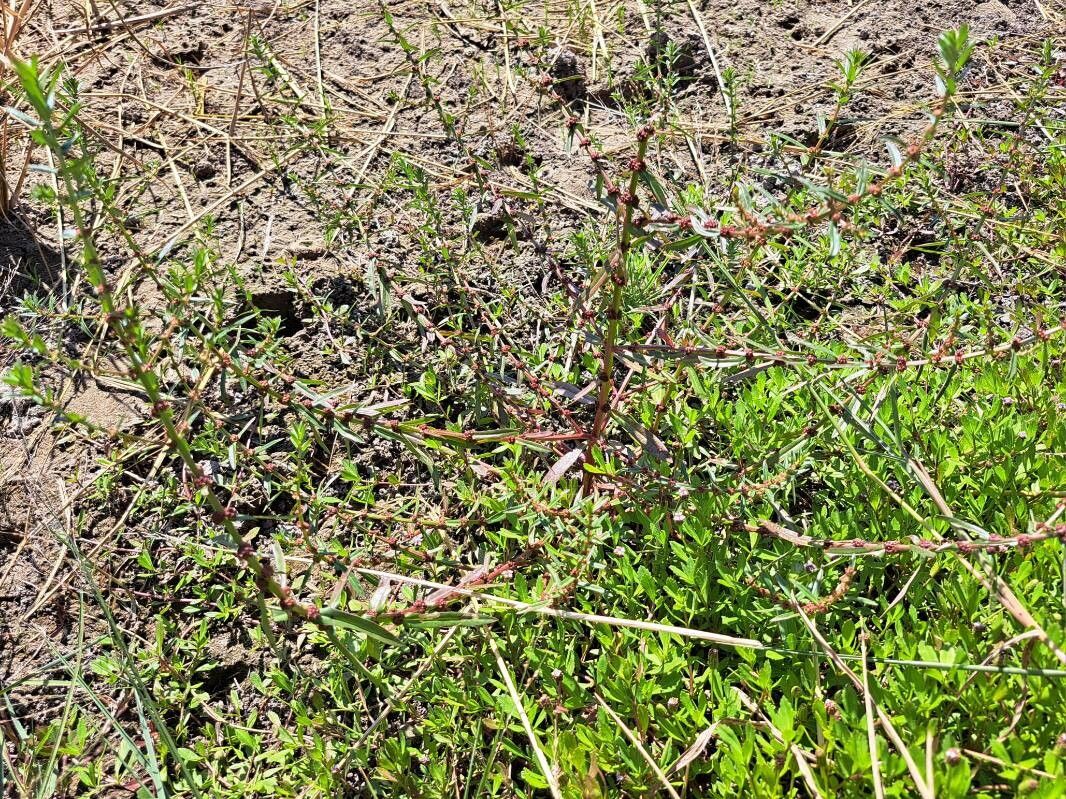
Hello there, fellow plant enthusiasts! I’m thrilled you’re curious about Ammannia latifolia. This aquatic gem, with its lush foliage and vibrant colors, can truly elevate any water garden or aquarium. Watching a new little plant sprout from a cutting or a division is one of the most satisfying parts of this hobby, if you ask me. And the good news? Ammannia latifolia is quite generous with its propagation, making it a fantastic choice, even for those just dipping their toes into plant nurturing.
The Best Time to Start
For the absolute best chances of success, spring and early summer are your golden ticket. This is when the plant is actively growing and has the most energy to put into making new roots. You can get away with it at other times, of course, but you’ll likely see quicker, stronger results when you strike while the iron is hot, so to speak. Look for healthy, vigorous stems on your established plant – those are your prime candidates.
Supplies You’ll Need
Gathering your tools beforehand makes the whole process smoother. Here’s what I usually have on hand:
- Sharp, clean pruning shears or scissors: A clean cut is crucial to prevent disease.
- Container: This could be a small pot, a Propagation tray, or even a glass jar if you’re doing water propagation.
- Potting mix: A well-draining mix is key. For aquatic plants, I often use a blend of peat moss, perlite, and coarse sand. You can also find specialized aquatic plant substrates.
- Rooting hormone (optional but recommended): This gel or powder can give your cuttings a significant boost.
- Water: Clean, dechlorinated water is a must, especially for aquatic plants.
- Small labels and a marker: Trust me, you’ll thank yourself later when you can identify what’s what.
Propagation Methods
Ammannia latifolia is pretty straightforward, and I find stem cuttings to be the most reliable method.
Stem Cuttings:
- Select your cutting: Choose a healthy stem that’s at least 3-4 inches long. Look for one with several sets of leaves.
- Make the cut: Using your sharp shears, make a clean cut just below a leaf node (where a leaf sprouts from the stem). This is where new roots are most likely to form.
- Prepare the cutting: Gently remove the lower leaves from the bottom inch or so of the stem. This prevents them from rotting in the water or soil. If your leaves are quite large, you can even cut them in half widthwise to reduce water loss.
- Rooting hormone (optional): Dip the cut end of the stem into rooting hormone, tapping off any excess.
- Planting your cutting:
- In water: Place the prepared cutting in a glass of clean, dechlorinated water. Make sure the nodes where you removed the leaves are submerged. Change the water every few days to keep it fresh.
- In substrate: Gently push the cut end into your prepared potting mix, making sure the lower nodes are buried. You can plant a few cuttings in the same pot to increase your chances.
Division (for larger, established plants):
If your Ammannia latifolia has become a dense clump, you can gently pull it apart.
- Remove from its container: Carefully take the plant out.
- Gently separate the clumps: Tease apart the roots and stems with your fingers. Try to ensure each section has some roots and at least one healthy stem.
- Replant: Pot each division into its own container with fresh substrate.
The “Secret Sauce” (Pro Tips)
Here are a couple of things I’ve learned over the years that make a difference:
- Don’t let the leaves touch the water (for water propagation): It sounds simple, but those submerged leaves are an invitation for rot. Keep the water level just below the lowest set of remaining leaves.
- Bottom heat can work wonders: If you’re struggling with root development, especially in cooler months, placing your pots on a seedling heat mat can significantly speed things up. It mimics the warmth of spring and encourages root growth.
Aftercare & Troubleshooting
Once you see tiny white roots emerging from the cut end of your cutting, you’re on your way!
- For water propagation: You can keep them in water until the roots are well-established and the plant looks sturdy. Then, carefully transplant them into a substrate suitable for their environment.
- For substrate propagation: Continue to keep the soil consistently moist, but not waterlogged. Ensure good light.
Common Signs of Failure:
- Wilting and browning: This can be a sign of not enough moisture, or the cutting is simply not establishing.
- Rotting stems or leaves: This is usually due to too much moisture and poor air circulation, or submerged leaves in water. Make sure your substrate drains well and avoid overwatering. If you see this, unfortunately, that cutting may be a goner.
A Little Patience Goes a Long Way
Propagating plants is a journey, not a race. Some cuttings will take off immediately, while others might take their sweet time. Don’t get discouraged if not every single one makes it; that’s part of the gardening dance! Enjoy the process, celebrate your successes, and remember that each little seedling or new shoot is a tiny victory. Happy planting!
Resource:
https://identify.plantnet.org/k-world-flora/species/Ammannia%20latifolia%20L./data