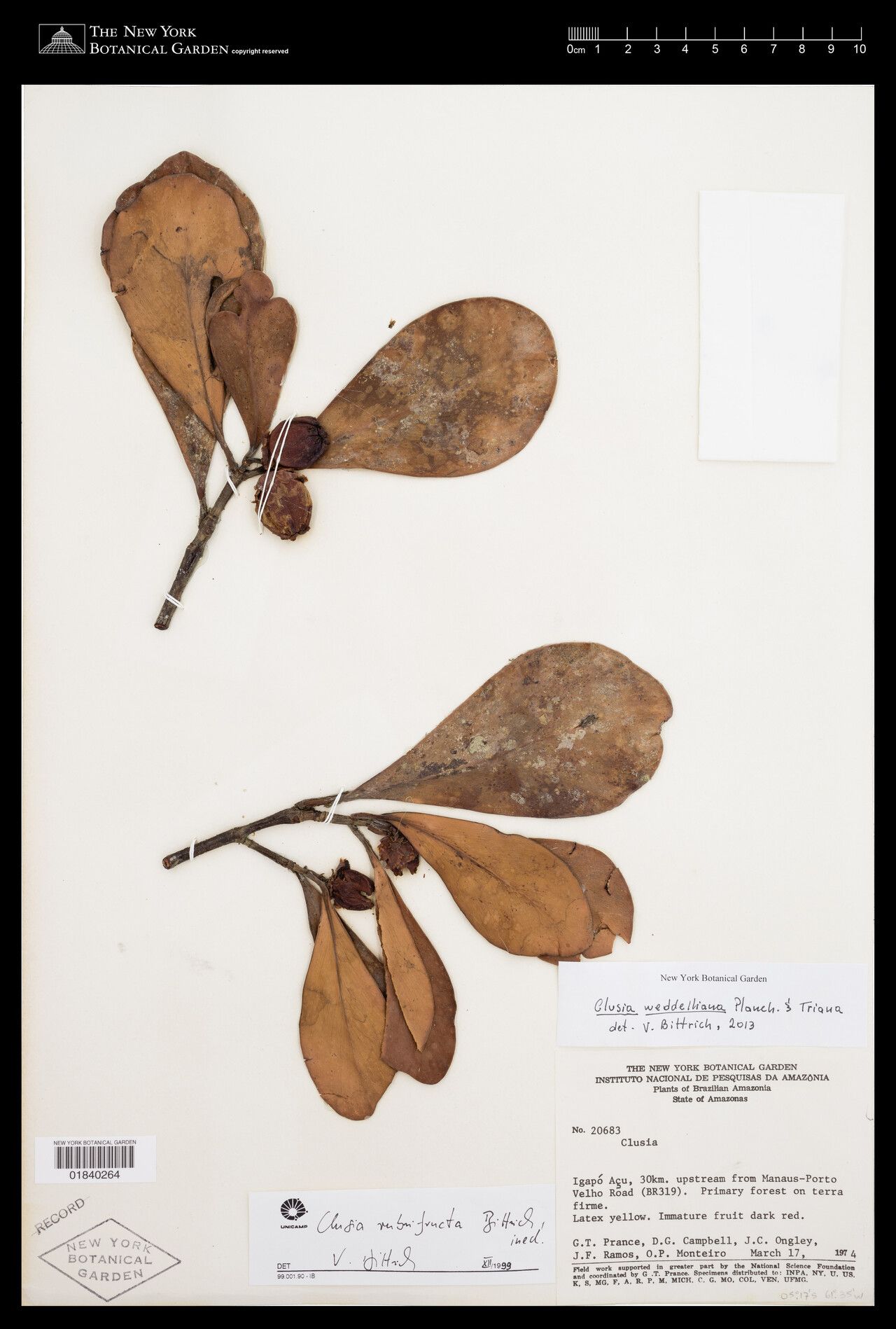
Oh hello there! I’ve got to tell you, if you’re looking for a plant that’s as stunning as it is rewarding to grow, you absolutely must get acquainted with Clusia rubrifructa. Its lush, glossy leaves are a tropical dream, and those vibrant red fruits? Simply a showstopper! And the best part? You can easily multiply this beauty yourself. For those dipping their toes into the wonderful world of plant propagation, Clusia is a remarkably forgiving friend, making it a fantastic choice for beginners and seasoned gardeners alike. Let’s get our hands a little dirty, shall we?
The Best Time to Start
When it comes to getting the most bang for your propagation buck, spring and early summer are your golden ticket. This is when our Clusia is really hitting its stride, actively growing and brimming with the energy needed to push out new roots. You’re looking for healthy, semi-hardwood stems – not brand new, floppy growth, but not old, woody stuff either. Think of it as the plant’s prime active phase.
Supplies You’ll Need
Gathering your supplies beforehand makes the whole process so much smoother. Here’s what you’ll want to have on hand:
- Sharp, clean pruning shears: A dull tool can crush stems and invite disease.
- Rooting hormone: This is a nice-to-have, not strictly essential for Clusia, but it does give cuttings a helpful boost. I like the powder form.
- Well-draining potting mix: A mix of equal parts perlite and peat moss or coco coir works beautifully. You can also use a standard succulent or cactus mix.
- Small pots or seedling trays: Make sure they have drainage holes!
- Clear plastic bags or a mini greenhouse: To create a humid environment for cuttings.
- Watering can or spray bottle: For gentle watering.
- Labels: Trust me, you’ll forget which cutting is which!
Propagation Methods
Clusia is a trooper, and it’s quite happy to be started from stem cuttings. It’s by far the most common and successful method.
- Take Your Cuttings: In spring or early summer, using your clean shears, snip off healthy stems that are about 4-6 inches long. Make your cut just below a leaf node (the little bump where a leaf emerges from the stem).
- Prepare the Cuttings: Gently remove the lower leaves from the cutting, leaving just a few at the top. This prevents them from rotting in the soil. If you’re using rooting hormone, dip the cut end of the stem into the powder, tapping off any excess.
- Plant Your Cuttings: Fill your pots with your well-draining potting mix. Make a small hole with your finger or a pencil. Insert the cut end of the Clusia cutting into the hole, ensuring at least one leaf node is buried beneath the soil surface. Gently firm the soil around the stem.
- Create a Humid Environment: Water the soil lightly until it’s evenly moist. Then, cover the pot with a clear plastic bag, securing it around the rim with a rubber band or tape. This traps in moisture, creating a mini-humid greenhouse for your cuttings. Alternatively, you can place the pots into a mini greenhouse with the lid on.
- Provide the Right Conditions: Place your potted cuttings in a bright spot that receives indirect sunlight. Avoid direct sun, as it can scorch the delicate cuttings. The ideal temperature is between 70-80°F (21-27°C).
The “Secret Sauce” (Pro Tips)
Here are a couple of little tricks I’ve learned over the years that make a big difference:
- The Power of Bottom Heat: Clusia cuttings love warmth from below. This encourages root development much faster. Think of a seedling heat mat. It’s not strictly necessary, but it will significantly speed up the process and increase your success rate, especially if your home tends to be a bit cooler.
- Don’t Drown Your Leaves: When you water, be mindful of the leaves. If they are touching the soil and staying constantly wet, they are much more prone to rot. Try to keep the leaves clear of the soil surface. A gentle misting can also be a good way to keep foliage hydrated without overwatering the soil.
Aftercare & Troubleshooting
Be patient! It can take anywhere from 4-8 weeks, sometimes longer, for your Clusia cuttings to develop a good root system. You’ll know they’re ready when you feel a gentle resistance when you tug on the stem, or better yet, you see new growth emerging from the top. Once rooted, gradually remove the plastic bag over a few days to acclimate them to drier air. As they grow, you can eventually transplant them into slightly larger pots.
The most common issue you might encounter is rot. If you notice a cutting mushy at the base or developing black spots, it’s usually a sign of too much moisture and not enough air circulation. Unfortunately, a rotted cutting is usually a goner. You can try to save it by cutting off the rotted part and attempting to root the healthy portion again, but prevention is key! Always ensure that well-draining soil and that humidifying bag isn’t too tight, allowing some air exchange.
A Encouraging Closing
And there you have it! Propagating Clusia rubrifructa is a journey filled with anticipation and, hopefully, success. Don’t get discouraged if your first attempt isn’t perfect. Gardening is all about learning and adapting. Enjoy the process of nurturing these new little lives, and soon enough, you’ll have a whole jungle of stunning Clusias to share (or keep all to yourself!). Happy growing!
Resource: