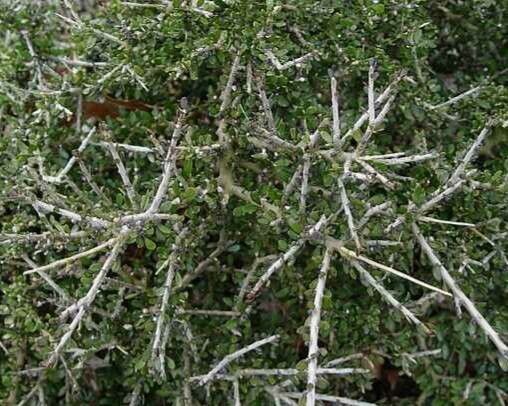
Oh, hello there, fellow plant lover! It’s so wonderful to chat with you today about one of my personal favorites – Melicytus crassifolius, or as we affectionately call it, the shrubby poroporo. This delightful native shrub, with its charming clusters of bell-shaped flowers and interesting foliage, brings such a lovely texture and a touch of the wild to any garden. And let me tell you, the joy of coaxing a brand new plant into existence from just a small piece of a parent? It’s truly one of the most grounding and rewarding experiences a gardener can have.
Now, if you’re new to the propogation game, you might be wondering if Melicytus crassifolius is going to be a tough nut to crack. Honestly, I’d say it’s a moderately easy plant to propagate. With a little patience and the right approach, you’ll find yourself with more of these beauties than you know what to do with!
The Best Time to Start
For the absolute best shot at success with Melicytus crassifolius, I always aim for late spring to early summer. This is when the plant is actively growing and full of vigor. You’re looking for healthy, semi-hardwood stems – that means they’re not super flexible and green, but also not woody and stiff. Think of it as that ‘just right’ stage of growth.
Supplies You’ll Need
Gathering your tools beforehand makes the whole process much smoother. Here’s what I always have on hand:
- Sharp pruning shears or secateurs: Cleanliness is key! Make sure they’re well-oiled and disinfected to prevent disease.
- Rooting hormone: This isn’t strictly essential, but it gives your cuttings a fantastic boost and significantly increases your success rate. Look for one formulated for woody cuttings.
- Small pots or trays: If you’re using cuttings, small to medium-sized pots (around 7-10 cm) are perfect.
- A well-draining potting mix: I love a mix of perlite, coco coir, and a bit of compost. You want something that holds moisture but doesn’t get waterlogged. A commercial seed-starting mix can also work well.
- A plastic bag or propagation dome: This is crucial for maintaining humidity around your cuttings.
- A spray bottle: For misting.
- A clean watering can: For gentle watering.
- Labels and a marker: You’ll thank me later when you have multiple projects going!
Propagation Methods
Melicytus crassifolius is wonderfully versatile, and I find two methods work exceptionally well.
Stem Cuttings (My Go-To!)
This is my favorite way to make more poroporo. It’s efficient and gives me a real sense of accomplishment.
- Take your cuttings: With your clean secateurs, select healthy, current-season stems that are about 10-15 cm long. Make your cut just below a leaf node (where a leaf attaches to the stem). This node is where the magic of rooting hormone really kicks in.
- Prepare the cuttings: Gently remove the lower leaves from the cutting, leaving just a couple at the very top. This prevents them from rotting when buried in the soil.
- Apply rooting hormone: Dip the cut end of each cutting into your rooting hormone, tapping off any excess.
- Pot them up: Make a few small holes in your prepared potting mix using a pencil or a dibber. Carefully insert the cuttings into these holes, ensuring the hormone-coated end is in contact with the soil. Gently firm the soil around them.
- Water gently: Water the soil thoroughly but gently, making sure not to disturb the cuttings.
- Create a humid environment: Place the potted cuttings into a plastic bag, sealing it loosely, or cover them with a propagation dome. This will create a mini-greenhouse effect. Pop them in a bright spot, but out of direct sunlight.
Division (For Established Plants)
If you have a mature, well-established Melicytus crassifolius that’s looking a little crowded or you simply want to give it a refresh, division is a great option.
- Dig up the plant: In spring or autumn, carefully dig around the base of the plant. You want to lift the entire root ball out of the ground.
- Tease apart the roots: Gently shake off excess soil. Look for natural divisions in the root system. You can usually very carefully tease these apart with your hands or use a clean, sharp knife or spade to make clean cuts if needed. Make sure each division has a good amount of roots and at least one or two healthy shoots.
- Replant immediately: Get your new divisions back into the ground or into pots with fresh, well-draining soil as quickly as possible. Water them well.
The “Secret Sauce” (Pro Tips)
Here are a few little tricks I’ve picked up over the years that I find make a real difference:
- Bottom heat is your friend: If you have the space, placing your potted cuttings on a heat mat can dramatically speed up root development. It mimics the warmth of spring soil and gives those roots a lovely warm base to grow from.
- Don’t overwater the cuttings: This is probably the biggest mistake I see beginners make. They think more water equals faster roots, but it usually leads to rot. The humidity from the plastic bag should keep the leaves happy; the soil just needs to be consistently moist, not soggy.
- Be patient with the leaves: When I do water propagation (though less common for this specific plant), I always make sure the leaves are well above the water line. Any submerged foliage will quickly turn mushy and invite disease.
Aftercare & Troubleshooting
Once you see signs of new growth – tiny leaves unfurling or the start of new shoots – that’s a good indication that roots are forming!
- Gradually acclimate: Start by opening the plastic bag or propagation dome for a few hours each day to let the cuttings get used to drier air.
- Move to larger pots: When the roots have filled the small pots (you can gently tip one out to check), it’s time to pot them up into slightly larger containers with your regular potting mix.
- Water consistently: Water new plants when the top inch of soil feels dry.
- Watch for rot: The most common sign of failure is if your cuttings turn black and mushy at the base. This is almost always due to too much moisture and not enough air circulation. If you see this, unfortunately, it’s best to discard the infected cutting.
A Little Encouragement
Propagating plants is a journey, and like all journeys, there will be a few bumps along the way. Don’t be discouraged if some cuttings don’t take. Every attempt is a learning experience! The most important thing is to enjoy the process, connect with your plants, and relish the satisfaction of nurturing life. Happy propagating!
Resource: