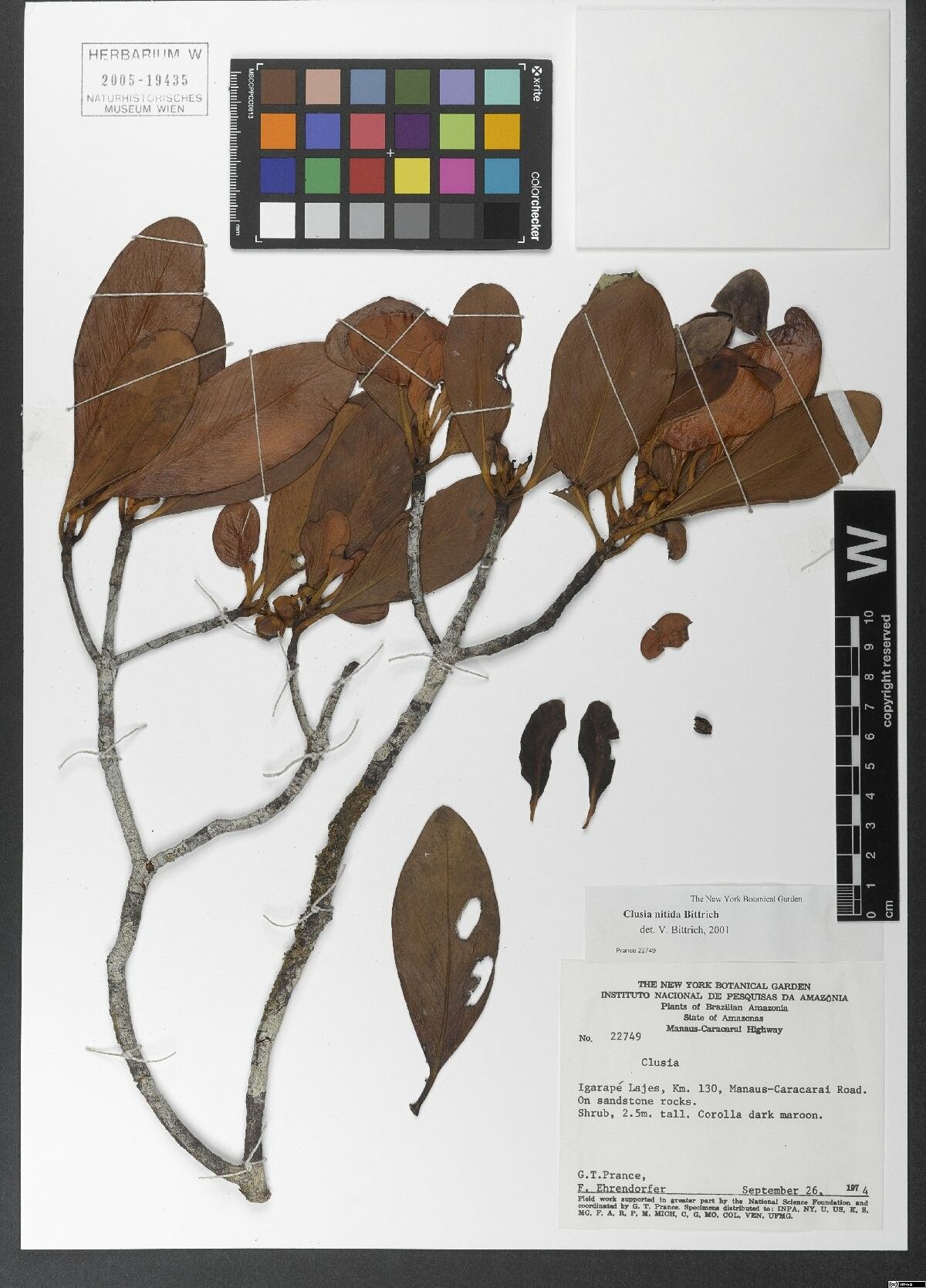
Oh, Clusia nitida! Those glossy, leathery leaves are just a dream, aren’t they? I’ve always loved how this plant brings a touch of the tropics right into our homes. If you’ve ever admired a friend’s thriving Clusia or wished you had more of these beauties to fill a sunny corner, then you’re in the right place. Propagating them yourself is incredibly satisfying, and honestly, Clusia is surprisingly forgiving. Even if you’re just dipping your toes into the world of plant propagation, you’ll find this a rewarding journey.
When to Get Your Hands Dirty
The best time to propagate Clusia nitida is when the plant is actively growing. Think of it as giving it a little nudge when it’s feeling energetic and ready to put forth new life. Spring and early summer are generally your golden ticket. You’ll want to take cuttings from healthy, mature stems – those that aren’t too young and floppy, but not woody and old either.
Your Propagation Toolkit
Gathering your supplies beforehand makes the whole process much smoother. Here’s what I always have on hand:
- Sharp Pruning Shears or a Craft Knife: Clean cuts are essential to prevent disease.
- Rooting Hormone (Optional but Recommended): This doesn’t guarantee success, but it definitely gives your cuttings a helpful boost.
- Potting Mix: A well-draining mix is key. I like to use a blend of peat moss or coco coir with perlite or coarse sand, about a 50/50 ratio. You can also find commercially available cactus and succulent mixes that work well.
- Small Pots or Propagation Trays: Ensure they have drainage holes!
- Plastic Bags or Clear Domes: To create a humid environment for your cuttings.
- Water Spray Bottle: For keeping things moist.
- A Sunny Spot (but not direct, scorching sun): Bright, indirect light is what we’re aiming for.
Bringing New Clusias to Life: My Go-To Methods
Clusia nitida is a champion when it comes to stem cuttings. It’s my absolute favorite way to multiply these gorgeous plants.
Method 1: Stem Cuttings
- Select Your Parent Plant: Choose a healthy, vigorous Clusia.
- Take the Cuttings: Using your clean pruning shears or knife, cut a stem that’s about 4-6 inches long. Make the cut just below a leaf node – that little bump where a leaf grows from. Try to get at least two or three nodes on each cutting. Remove the lower leaves from the cutting, leaving just a couple at the top.
- Apply Rooting Hormone (If Using): Dip the cut end of the stem into your rooting hormone powder, tapping off any excess.
- Plant Your Cuttings: Fill your small pots or trays with your well-draining potting mix. Make a small hole in the center with your finger or a pencil. Gently insert the cut end of the Clusia cutting into the hole, ensuring at least one leaf node is buried in the soil. Firm the soil gently around the stem.
- Water Gently: Give the soil a good watering, allowing excess water to drain away.
- Create a Humid Environment: Cover the pots loosely with a plastic bag (making sure the leaves don’t touch the plastic) or use a clear plastic dome. Pop these in a spot with bright, indirect light.
Method 2: Water Propagation (For the Impatient!)
While I lean towards soil for better long-term results, you can root Clusia in water.
- Prepare Cuttings: Follow steps 1 and 2 from the stem cuttings method. You don’t need to remove as many lower leaves for water, as they won’t be submerged.
- Place in Water: Put the cuttings in a clean jar or vase filled with fresh, room-temperature water. Make sure only the stem is submerged, and no leaves are sitting in the water.
- Change Water Regularly: Change the water every few days to keep it fresh and prevent bacterial growth.
- Provide Light: Place the jar in a bright spot.
- Transplant When Ready: Once you see good root development (about an inch or more), it’s time to carefully transplant them into your potting mix as described in step 4 of the stem cutting method.
My “Secret Sauce” for Clusia Success
Over the years, I’ve learned a few little tricks that really make a difference.
- Cleanliness is King: I can’t stress this enough. Using a sterilized cutting tool and clean pots significantly reduces the risk of fungal diseases, which are the bane of any propagation attempt.
- A Little Warmth Goes a Long Way: Clusia roots much faster if it has gentle bottom heat. You can achieve this by placing your pots on a seedling heat mat. It’s not strictly necessary, but it can speed things up considerably, especially if your home is a bit cool.
Nurturing Your New Sprouts
Once you spot little roots emerging from the bottom of your pot or see new growth on your water-propagated cuttings, that’s your cue to start treating them like tiny, precious plants.
- Gradual Acclimation: If you’ve been using a plastic bag or dome, gradually introduce your new plant to regular room humidity. Start by opening the bag a little each day, or lifting the dome for a few hours. Eventually, remove it completely.
- Watering: Water when the top inch of soil feels dry. Don’t let it get waterlogged; Clusias don’t like soggy feet.
- Light: Continue to provide bright, indirect light. A little direct morning sun is usually fine, but avoid harsh afternoon sun that can scorch those tender new leaves.
Troubleshooting the Hiccups:
The most common sign of trouble is rot. If your cutting looks mushy or black, it’s likely rotted. This is usually due to too much moisture and poor air circulation. You might see wilting even with moist soil – that’s another bad sign. If you see this, it’s probably time to toss the affected cutting and try again, paying close attention to drainage and humidity levels.
Keep Growing!
Propagating plants is a dance with nature, and sometimes it takes a few tries to get it just right. Don’t get discouraged if your first attempt doesn’t yield a forest of new Clusias. Be patient with your little green babies, give them good care, and celebrate every tiny success. There’s nothing quite like watching a new plant grow from a simple cutting. Happy propagating!
Resource:
https://identify.plantnet.org/k-world-flora/species/Clusia%20nitida%20Bittrich%20&%20F.N.Cabral/data