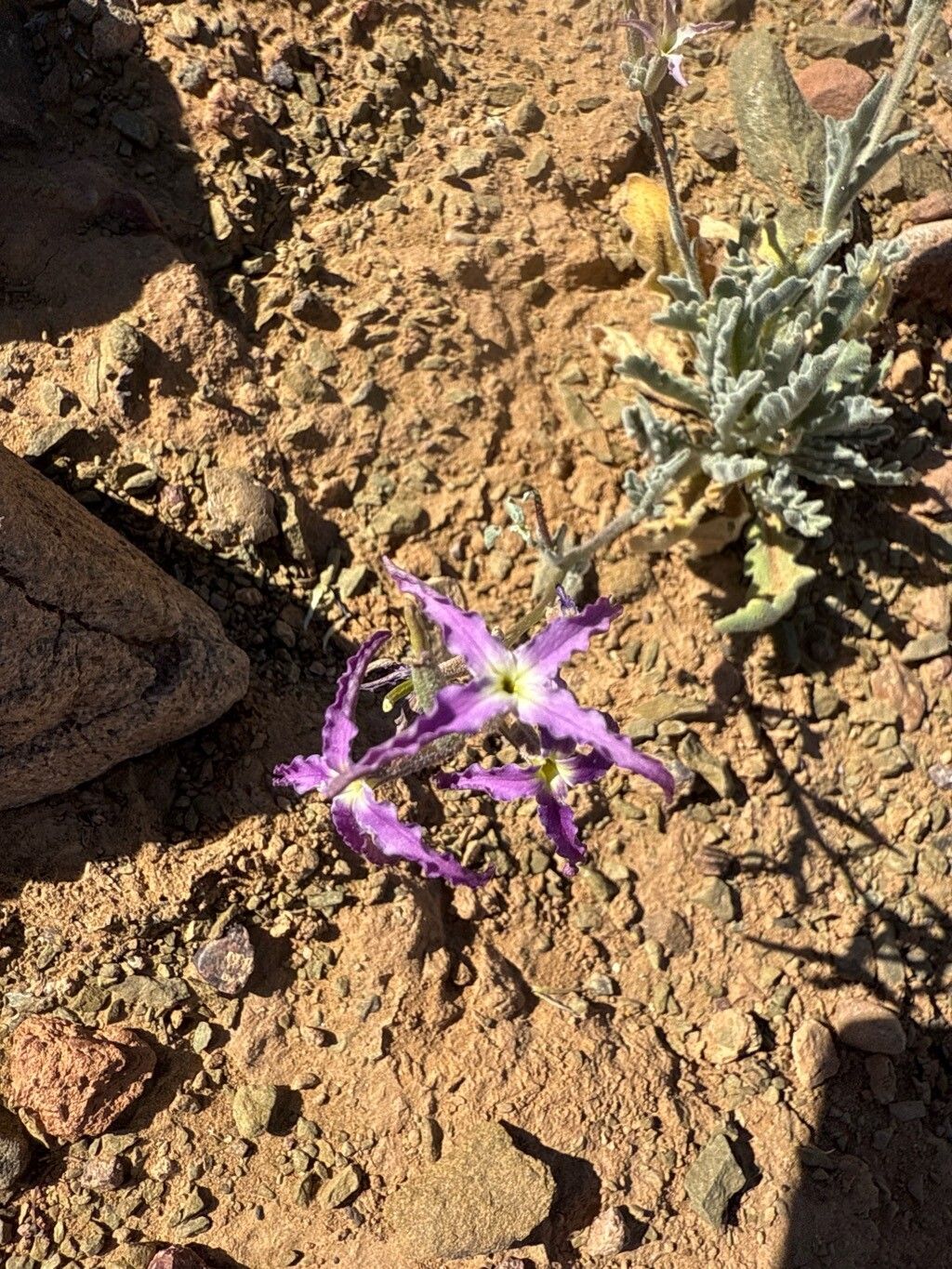
Hello there, fellow plant enthusiast! I’m so glad you’re here. Today, we’re diving into the wonderfully fragrant world of Matthiola maroccana, often known as Morocco stocks or simply maroccana. If you’ve ever been graced by their sweet, spicy perfume and vibrant, upright blooms, you know why they’re such a treat for the senses. The best part? Growing more of these beauties from your existing plants is entirely achievable, and honestly, incredibly satisfying. For beginners, I’d say propagating maroccana is a joyful journey, not a daunting task. With a little patience and the right touch, you’ll be rewarded with a fragrant display of your own making.
The Best Time to Start
Timing is everything, as we gardeners know! For Matthiola maroccana, the sweet spot for propagation is generally in the late spring or early summer. This is when the parent plants are actively growing and have ample energy to put into producing new shoots. Starting during this period gives your new propagules plenty of time to establish a good root system before the heat of summer or the chill of autumn sets in. You’re essentially catching them at their peak vitality, which always boosts your chances of success.
Supplies You’ll Need
Gathering your supplies beforehand makes the whole process smooth sailing. Here’s what you’ll want to have on hand:
- Clean, sharp pruning shears or a craft knife: For making clean cuts.
- A well-draining potting mix: A good blend for this would be about 50% perlite and 50% peat moss or coco coir. You could also use a good quality seed starting mix.
- Small pots or seed trays: Clean ones are crucial to prevent disease.
- Rooting hormone (optional but recommended): A powder or gel can give your cuttings a nice head start.
- A spray bottle: For gentle misting.
- Plastic bags or a propagator lid: To create a humid environment.
- A sunny windowsill or grow light: For providing adequate light.
Propagation Methods
For Matthiola maroccana, the most reliable and straightforward method for propagation is through stem cuttings. It’s how I’ve had the most success, and it’s quite easy to master.
- Select Your Cuttings: Look for healthy, non-flowering stems on your mature maroccana plant. Aim for stems about 4-6 inches long. You want a piece that’s firm but not woody.
- Make the Cut: Using your clean shears or knife, make a clean cut just below a leaf node. Leaf nodes are those little bumps where leaves emerge from the stem – that’s where the magic happens, where roots are most likely to form.
- Prepare the Cutting: Gently remove the lower leaves from the cutting, leaving just a few at the top. This prevents them from rotting once planted. If your cutting is still quite long, you can pinch off the very top growing tip to encourage bushier growth later.
- Apply Rooting Hormone (Optional): Dip the cut end of the stem into your rooting hormone, if you’re using it. Tap off any excess.
- Plant Your Cuttings: Fill your clean pots with your prepared well-draining mix. Make a small hole in the center of the soil with your finger or a pencil. Gently insert the cut end of your maroccana cutting into the hole, ensuring at least one leaf node is buried in the soil.
- Water and Cover: Water gently to settle the soil around the cutting. Then, lightly mist the leaves with your spray bottle. Place the pots into plastic bags or cover them with a propagator lid to create a mini-greenhouse effect. This high humidity is key.
The “Secret Sauce” (Pro Tips)
Here are a few little tricks that I’ve learned over the years that can really make a difference:
- Don’t let the leaves touch the water! When you water your cuttings, make sure that the leaves of the cutting aren’t sitting in any standing water within the pot or touching another cutting. This is a fast track to rot, and we want to avoid that at all costs.
- Bottom heat is your friend. If you have a seed starting mat, gently placing your pots on it can significantly speed up root formation. The warmth encourages the plant to send out those roots more enthusiastically.
- Be patient with the leaves. While you want to remove lower leaves, don’t strip the cutting bare. The leaves are still important for photosynthesis, providing energy for the plant to develop roots. Just ensure they aren’t crowded or submerged.
Aftercare & Troubleshooting
Once your cuttings are planted and settled, place them in a bright spot, but avoid direct, harsh sunlight initially. The goal is bright, indirect light while they’re trying to root. Keep the soil consistently moist but not waterlogged. You want it to feel like a wrung-out sponge.
After a few weeks, you should start to see signs of life. The most exciting is new growth appearing at the top of the cutting. You can also gently tug on the cutting – if you feel resistance, it’s a good sign that roots have formed. Once you have good new growth and a solid root system, you can gradually remove the plastic bag or propagator lid to acclimate them to lower humidity.
Now, what if things don’t go as planned? Rot is a common enemy. This looks like mushy, black stems, usually at the soil line. It’s often caused by overwatering and poor air circulation. If you see this, sadly, the cutting is likely lost. Remove it immediately to prevent it from spreading. Another sign of trouble is wilting that doesn’t recover. This can be due to insufficient humidity, too much direct sun, or sometimes, the cutting just wasn’t viable to begin with. Don’t get discouraged! It happens to all of us.
A Warm Closing
Propagating Matthiola maroccana is a beautiful way to extend the joy they bring to your garden. It’s a process that teaches you patience and rewards you with the satisfaction of nurturing new life. Remember, every gardener starts somewhere, and each successful propagation is a little triumph. So, gather your supplies, choose your healthy stems, and dive in. Enjoy the fragrant journey, and don’t be afraid to get your hands a little dirty! You’ve got this.
Resource:
https://identify.plantnet.org/k-world-flora/species/Matthiola%20maroccana%20Coss./data