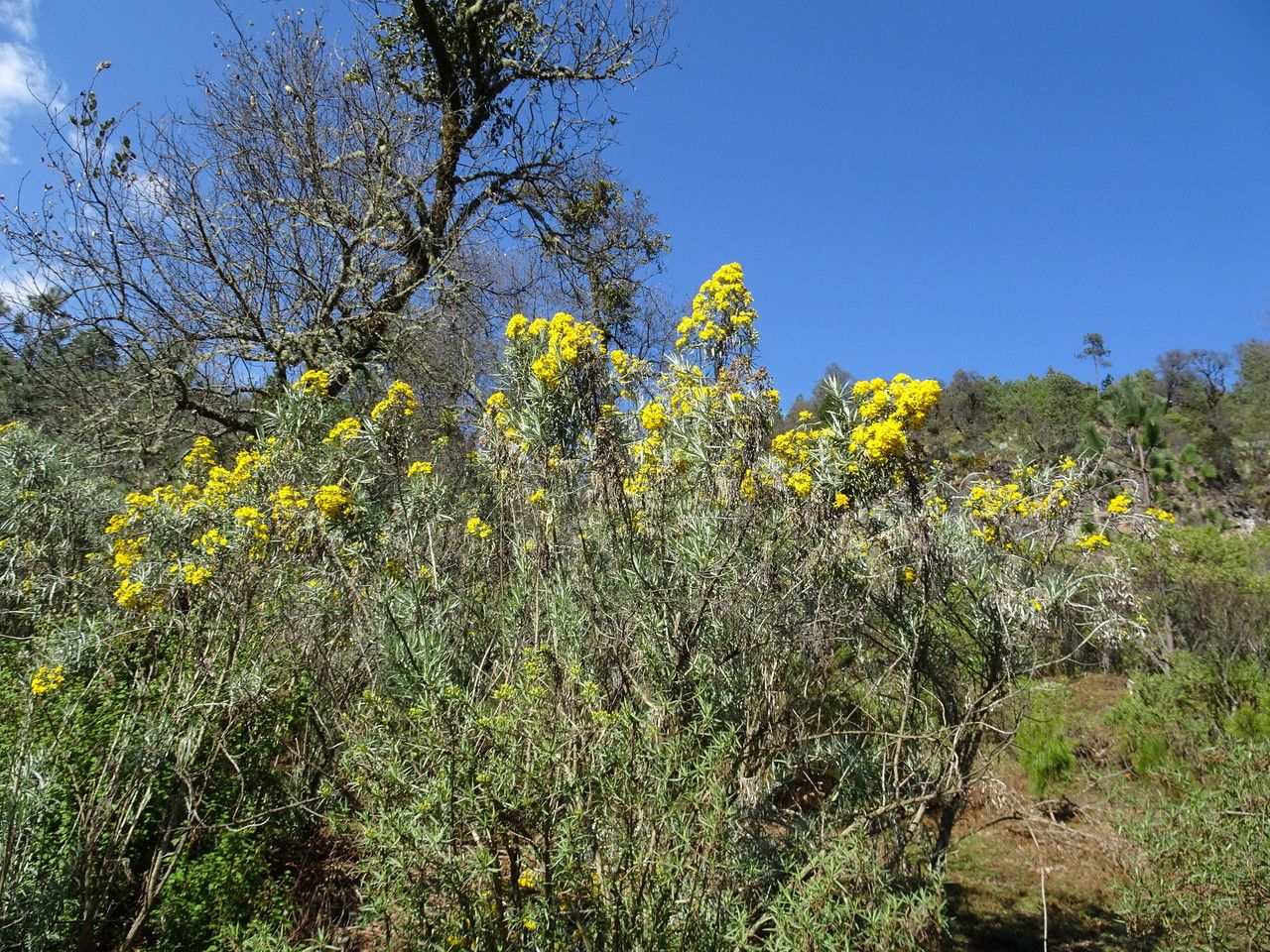
Oh, hello there! It’s so good to have you join me. Today, we’re diving into the wonderful world of propagating Senecio cinerarioides, often calleddusty miller for its gorgeous silvery foliage. If you’ve ever admired that fuzzy, almost ethereal look in a garden or pot, you’re in for a treat. Propagating this beauty is surprisingly straightforward; even if you’re new to the gardening game, you’ll likely find great success. It’s incredibly rewarding to watch those tiny beginnings grow into full, beautiful plants you can share or expand your own collection with.
The Best Time to Start
Generally, the best time to take cuttings from Senecio cinerarioides is during its active growing season. Think late spring through early summer, when the plant is putting on new growth and has plenty of energy. You can also try in early autumn, but the success rate might be a touch lower as the plant starts to slow down. Look for stems that are firm but not woody – those are usually the ones that root best.
Supplies You’ll Need
Here’s what you’ll want to gather before we get started:
- Sharp pruning shears or a clean knife: For taking those clean cuttings.
- Rooting hormone (optional but recommended): A little boost can speed things up significantly!
- Small pots or seed trays: Whatever you have handy, as long as they have drainage holes.
- Well-draining potting mix: A cactus/succulent mix or a blend of potting soil and perlite/sand works wonders.
- Small pebbles or grit (optional): For top dressing, especially helpful with water propagation.
- Watering can with a fine rose: To water gently without disturbing cuttings.
- Plastic bag or propagator lid: To create a humid environment.
Propagation Methods
I’ve found the easiest and most reliable way to propagate Senecio cinerarioides is through stem cuttings.
Stem Cuttings
- Select your stem: Look for healthy, non-flowering stems on your parent plant. You want pieces that are about 4-6 inches long.
- Make the cut: Using your sharp shears or knife, make a clean cut just below a leaf node (where a leaf attaches to the stem). This is where roots are most likely to form.
- Prepare the cutting: Gently remove the lower leaves from the bottom half of the cutting. You want to expose at least one or two leaf nodes.
- Apply rooting hormone: If you’re using rooting hormone, dip the cut end into the powder, tapping off any excess.
- Plant the cuttings: Fill your pots or trays with the well-draining potting mix. Make small holes with your finger or a pencil, and gently insert the cuttings so that the nodes are buried in the soil. Firm the soil gently around the base.
- Water and cover: Water the soil lightly. Then, cover the pots with a plastic bag or propagator lid to maintain humidity. You can prop the bag up with sticks to keep it from touching the leaves.
Water Propagation (A Quick Alternative)
If you’re feeling a bit impatient, water propagation is a fun option, though I find it can sometimes lead to softer roots that are more prone to rot when transitioning to soil.
- Follow steps 1-3 for stem cuttings.
- Instead of potting mix, place your prepared cuttings in a jar or glass of water. Make sure the leaf nodes are submerged, but crucially, don’t let any leaves sit in the water. Remove any leaves that would be below the waterline.
- Place the jar in a bright spot out of direct sunlight.
- Change the water every few days to keep it fresh and prevent bacterial growth.
The “Secret Sauce” (Pro Tips)
Here are a couple of things I’ve learned over the years that really make a difference:
- Don’t overcrowd your pots: Give each cutting a little breathing room. This helps prevent fungal issues and allows for better air circulation, which is key for rooting.
- Consider bottom heat: If you have the setup, placing your pots on a gentle heat mat can significantly speed up root development. Dusty miller loves a bit of warmth to encourage those roots to form.
- For water propagation, use a narrow-necked container: This is a simple trick, but it helps keep the stems from wobbling too much and prevents too many leaves from accidentally dipping into the water.
Aftercare & Troubleshooting
Once your cuttings have developed a good root system – you might see roots peeking out of the drainage holes or feel resistance when you gently tug on a cutting – it’s time to transition them.
- For soil-propagated cuttings: Gradually acclimate them to drier air by removing the plastic bag for a few hours each day over a week before removing it completely. Continue to water sparingly, allowing the soil to dry out slightly between waterings.
- For water-propagated cuttings: Once you see a decent length of roots (about an inch or so), it’s time to plant them in your well-draining potting mix. Be very gentle when transferring them to avoid damaging those new roots. Water them in well after planting.
The most common issue you’ll encounter is rot, which usually happens when cuttings are kept too wet or in stagnant air. If you see a cutting turning mushy and black, it’s best to discard it to prevent it from affecting others. Don’t be discouraged if not every single cutting takes – it’s all part of the learning process!
A Encouraging Closing
See? Not too daunting, is it? Propagating your own Senecio cinerarioides is such a rewarding endeavor. Be patient, observe your little green charges, and celebrate each new root and leaf. Happy propagating, and enjoy the silvery beauty you create!
Resource:
https://identify.plantnet.org/k-world-flora/species/Senecio%20cinerarioides%20Kunth/data